
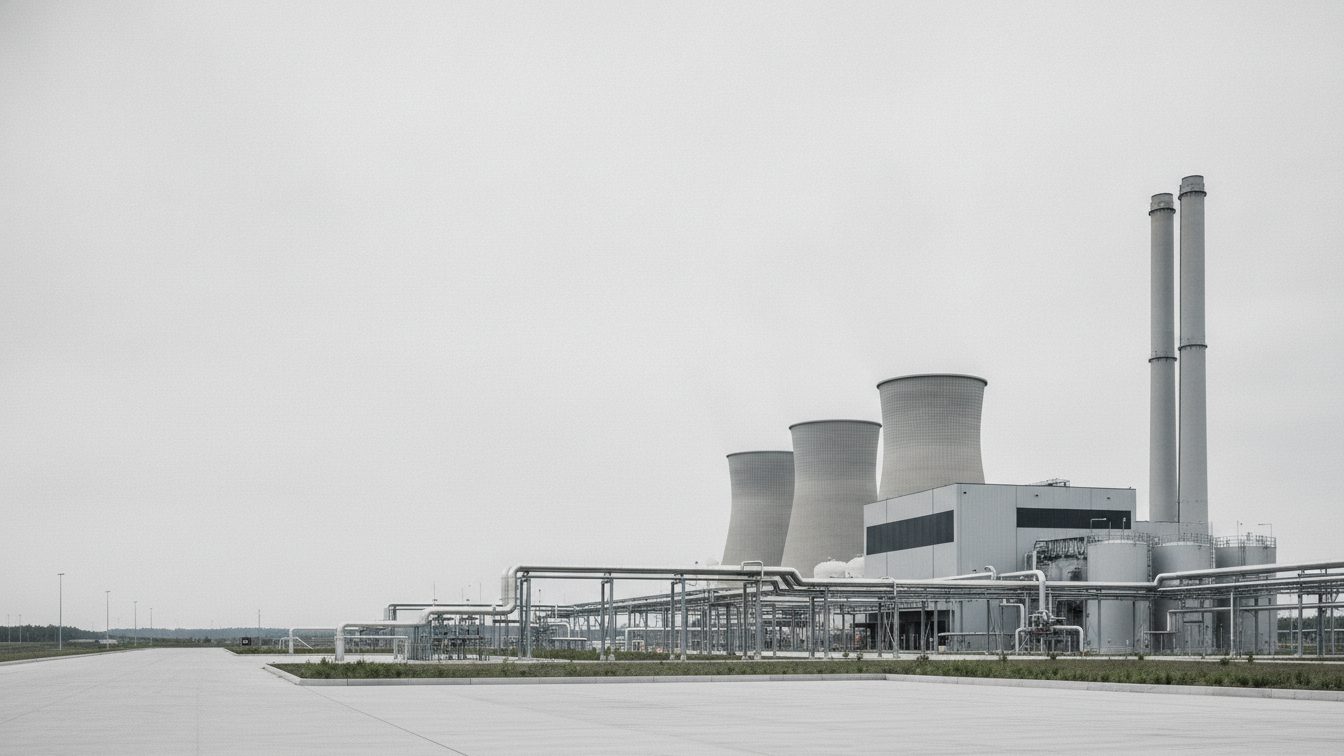
German gas-fired power output plunged 32.6 % week-on-week to 2,600.28 MWh, while the average wholesale electricity price rose 12.6 % to €139.8/MWh in the week ending 2 Sept 2026, according to SMARD's official market-data portal.
Week-on-week shift in gas-fired generation
SMARD's data show that gas-fired generation fell from 3,858.35 MWh in the week ending 25 Aug 2026 to 2,600.28 MWh in the following week. The 1,258.07 MWh reduction represents a 32.6 % decline, the largest weekly contraction recorded in the portal's recent series.
Gas-fired plants have traditionally supplied a substantial share of Germany's baseload electricity, a role that becomes especially visible when output swings sharply. The current drop, however, is not accompanied by any reported change in plant availability or scheduled maintenance, suggesting that external factors, most notably gas-supply constraints, are driving the reduction.
Wholesale electricity price spikes
In the same period, the average wholesale electricity price increased from €124.19/MWh to €139.8/MWh, a rise of €15.61/MWh or 12.6 % week-on-week. The price jump mirrors the fall in gas-fired generation, reinforcing the view that the German power market remains tightly coupled to gas availability and pricing.
Wholesale prices are a key reference for downstream contracts, meaning that a 12.6 % rise can quickly filter through to industrial consumers and household electricity tariffs, especially in a market where many contracts are indexed to the day-ahead price.
Why the two moves matter together
The simultaneous decline in gas-fired output and rise in electricity price illustrates a classic supply-demand imbalance. When a major generation source contracts, the residual supply must be met by other, often more expensive, resources such as coal, lignite or renewables with higher marginal costs. The price signal therefore reflects the cost of replacing gas-fired generation on short notice.
SMARD's portal aggregates real-time data from German transmission system operators, providing a transparent view of market dynamics. By publishing both generation and price figures side by side, the portal enables analysts to trace causality in near-real time, a capability that is increasingly valuable as Europe grapples with volatile gas supplies.
Implications for consumers and policy makers
Higher wholesale prices tend to raise retail electricity costs, particularly for price-responsive tariffs. For industrial users, a €15.61/MWh increase can translate into millions of euros of additional operating expenses, influencing production decisions and competitiveness.
For policy makers, the data underscore the urgency of diversifying the generation mix and securing stable gas supplies. While the packet does not contain explicit policy statements, the observed market reaction aligns with broader European concerns about energy security and the need to accelerate the transition to renewable sources.
Consumers may notice the impact in the next billing cycle, especially if utilities adjust tariffs to reflect the higher wholesale benchmark. The price rise also raises questions about the resilience of the German grid under sustained gas constraints, a topic that will likely feature in upcoming regulatory discussions.
What's next?
SMARD will release weekly updates, allowing observers to track whether the gas-fired generation rebound or whether the price pressure persists. Analysts will be watching the next data point for signs of stabilisation or further volatility, while policymakers may use the figures to justify short-term measures such as strategic gas reserves releases or longer-term incentives for alternative generation.
| Metric | Week ending 25 Aug 2026 | Week ending 2 Sept 2026 | Change |
|---|---|---|---|
| Gas-fired generation (MWh) | 3,858.35 | 2,600.28 | -32.6 % |
| Wholesale electricity price (€/MWh) | 124.19 | 139.8 | +12.6 % |
All figures are sourced from SMARD's official German market-data portal, published on 2 Sept 2026.