
The hidden cost of the corner office
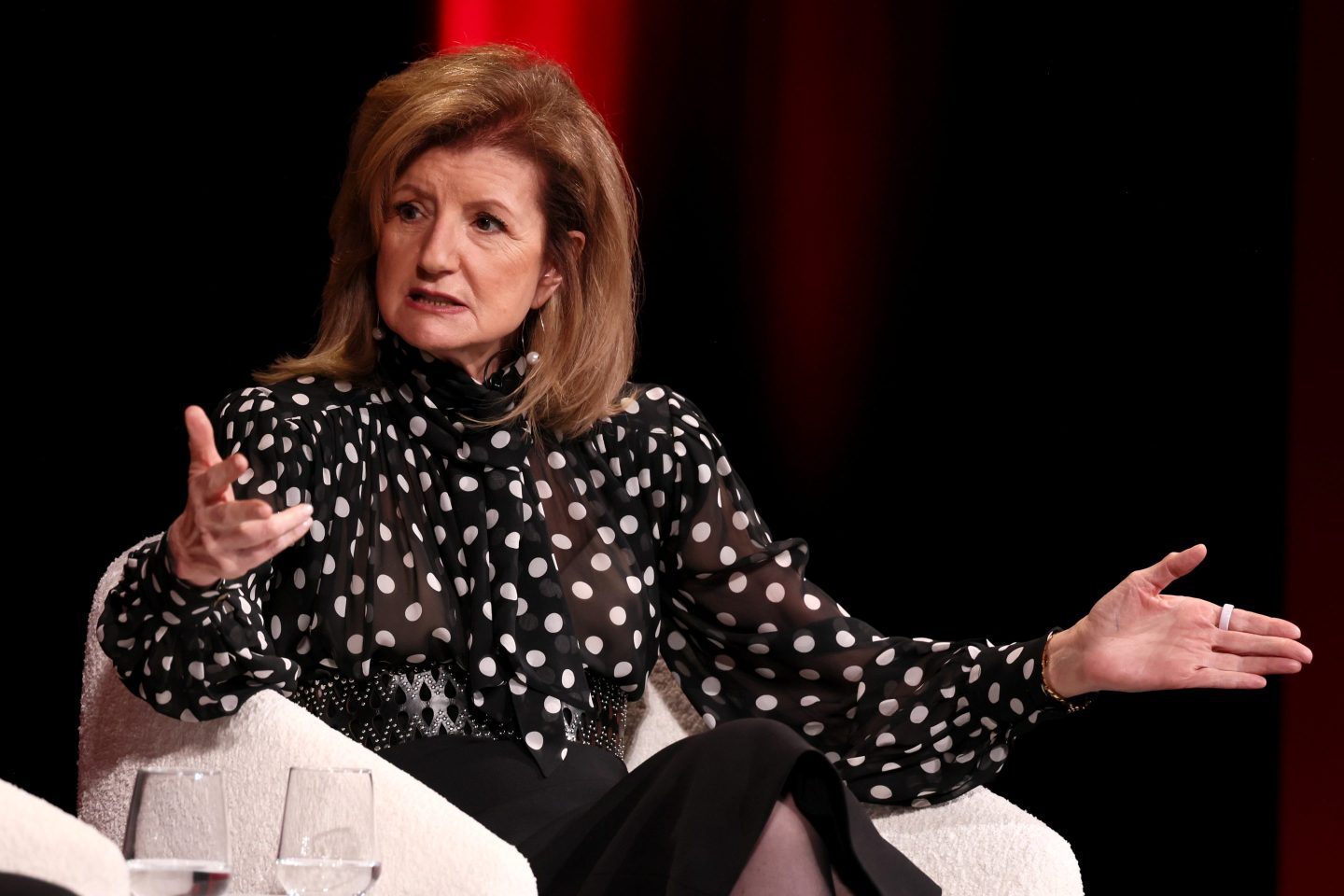
Arianna Huffington has a warning for anyone who believes the corner office is the finish line. Even chief executives with multimillion-dollar pay packages, magazine covers and invitations to Davos can feel miserable and trapped, she says, because the very success they chased can become a cage.
"Success can be a trap," she said.
The problem is not simply the mortgages, school fees or first-class holidays that a large salary supports. Huffington argues that the harder bind is psychological. People spend years sharpening a skill and winning recognition until the job becomes inseparable from their sense of self.
"The financial trap is much easier to see, while the identity trap is less tangible but no less real," she added.
Once a leader is identified with the chief executive role, the evening-show anchor chair or any other high-profile position, walking away can feel like erasing part of who they are. That fear, she says, keeps talented people in roles they have stopped loving.
"It's a trap because a lot of very successful people have a hard time leaving," she explained. "I have CEO friends who've stopped loving their jobs, but they're afraid to leave."
From media empire to wellness startup
Huffington knows the dilemma from the inside. She co-founded the Huffington Post in 2005 and spent 11 years turning it into one of the largest digital newsrooms in the world. The site grew to more than 850 journalists and became the first digital-native outlet to win a Pulitzer Prize. She appeared on magazine covers, made Time's list of the world's most influential people and became a fixture at the World Economic Forum in Davos.
By conventional measures she had arrived. In 2016, at the age of 76, she walked away from it to found Thrive Global, a behaviour-change technology company that sells well-being and productivity programmes to businesses. The move confused observers who saw no reason to abandon a winning hand.
"There are no guarantees anytime you start a new company," the 76-year-old multimillionaire said. "But I was ready to throw myself into health, and if I hadn't done it, I would have kind of betrayed myself."
She has credited her mother with giving her the courage to take the leap. Huffington says women in particular are held back by perfectionism, which makes the risk of failure feel larger than it is.
"She brought me up not to be afraid of failing," she said. "My mother used to say failure is not the opposite of success, it's a stepping stone to success."
For Huffington, the lesson is that external achievement is a poor measure of a life well lived.
"I've always believed that there is no job that defines us, no success that defines us," she added. "If we are able to follow our heart, it means we can keep growing and evolving."
When the exit feels hollow
Huffington is not alone in discovering that a large cheque does not guarantee contentment. After co-founding Wingstop UK and selling a majority stake for £400 million (around $540 million), Tom Grogan should have been ecstatic. Instead, he felt hollow.
"For seven years, your whole mind is occupied on making a success of this business," Grogan said. "It's all you think about. And then when you get there, it's just a bit surreal. It's like, Okay, it's done now. Now what? And money doesn't necessarily fill that void either."
Brian Chesky, the co-founder and chief executive of Airbnb, grew up believing that wealth and status would bring admiration and solve every problem. The company's blockbuster initial public offering in 2020 made him a billionaire, yet he later described the period as "one of the saddest periods" of his life.
Vinay Hiremath, co-founder of the video-messaging company Loom, experienced a similar collapse after selling the firm to the software giant Atlassian for $975 million. In a blog post titled "I am rich and have no idea what to do with my life," he wrote about losing his sense of purpose once the deal was done.
"I lost myself," he wrote, adding that the windfall left him with "infinite freedom" but no idea what to do with it.
Thasunda Duckett, chief executive of the retirement-services firm TIAA, has no plans to resign, but she is already preparing for a future in which her title no longer applies.
"I rent my title. I own my character," Duckett said. "I own my intellectual curiosity. I own my grit. I own my perseverance. I own my compass."
What happens next?
The thread running through these stories is a warning against confusing a job title with personal worth. Each leader reached a point where the rewards no longer matched the cost in identity, energy or meaning.
Huffington's answer is to treat titles as temporary and character as permanent. For employees and founders alike, the question is not whether the next rung on the ladder looks impressive, but whether the role still leaves room to grow. As more executives speak openly about burnout, emptiness and the fear of leaving, the old stigma around walking away from success may be starting to fade.