
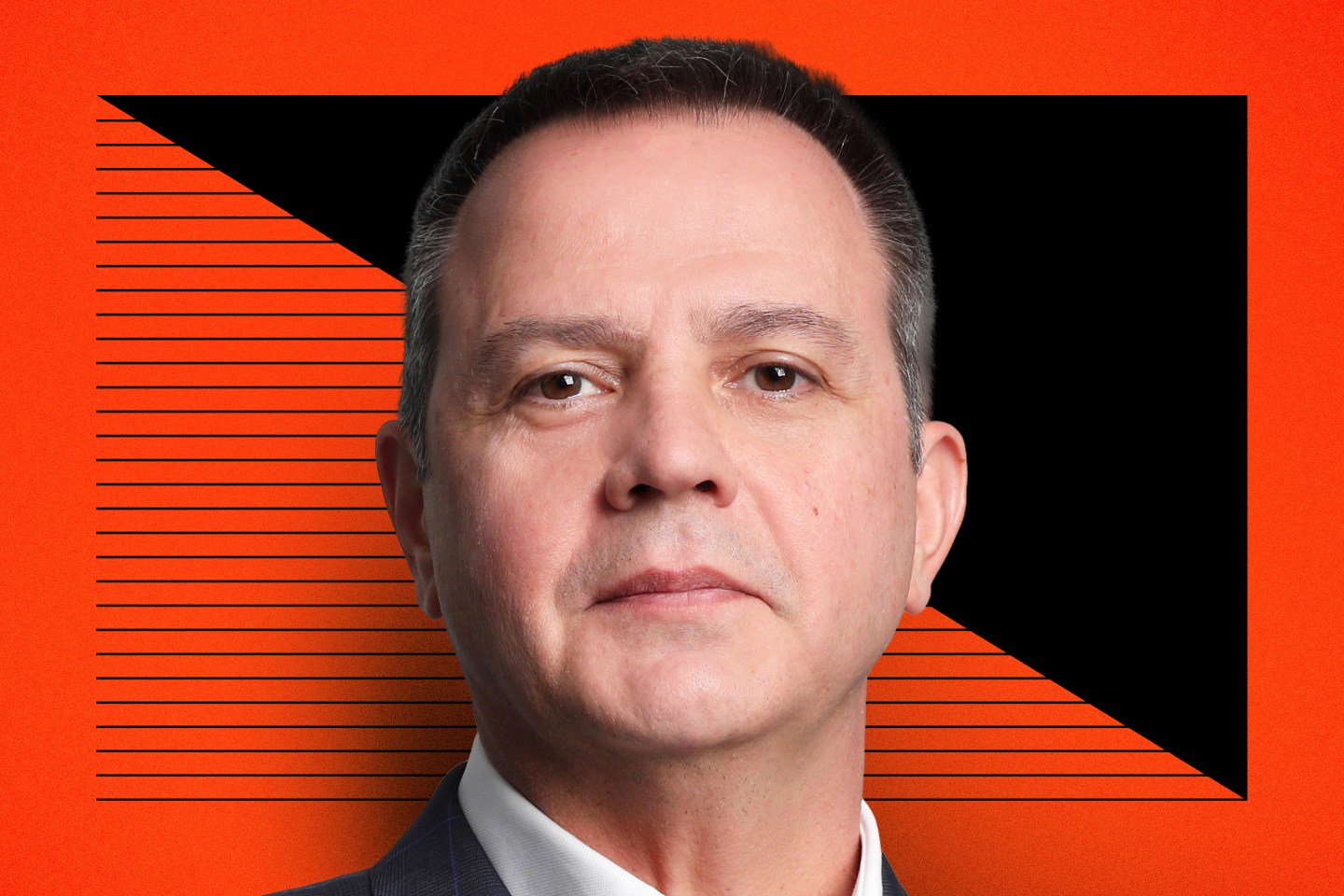
Guillaume Lucci, chief executive of Filipino infrastructure group Prime Infra, told reporters that the country's energy emergency requires a pragmatic blend of power sources, not a single-track focus on renewables.
All-of-the-above energy strategy
When the conflict between the United States and Iran shut the Strait of Hormuz in February, the Philippines, which imports 98% of its oil from the Gulf, declared a nationwide energy emergency on 24 March. President Ferdinand Marcos Jr. said the state of emergency would last a year. In that context, Lucci said, "What we need is more energy of all sorts, not only more renewable energy." He added that reliability, affordability and decarbonisation cannot be neatly sequenced; they must be pursued together.
Diversified assets as a test case
Prime Infra's portfolio spans the offshore Malampaya gas field, the Wawa hydropower dam and a fledgling waste-to-energy business. The mix is intended to prove that a diversified set of assets can deliver resource security for a vulnerable emerging economy. Lucci noted that the Wawa dam, built between 2021 and 2025 at a cost of 26.5 billion Philippine pesos (about $500 million), now supplies clean water to Metro Manila and provides pumped-storage capacity for electricity.
Challenges of building in the Philippines
Lucci highlighted three hurdles: lengthy bureaucratic procedures, the need to negotiate indigenous land rights and the country's exposure to natural disasters. He explained that designing for climate extremes raises costs, but also creates infrastructure that can withstand future shocks. The Wawa dam, for example, captured more than 99% of rainfall during Typhoon Uwan, protecting downstream communities.
Waste-to-energy ambitions
In 2022 Prime Infra launched Prime Integrated Waste Solutions, a subsidiary that sorts and treats municipal waste. Lucci said the next step is a waste-to-energy pipeline that would turn trash into power and heat using combustion and steam turbines. In 2023, oil and gas major BP invested $10 million in WasteFuel Global, a sustainable fuels venture backed by Prime Infra, while the group also owns WasteFuel Philippines, which plans to build a biorefinery for biomethanol.
"The material recovery facilities exist, but the infrastructure to convert waste into energy has yet to be built," Lucci said. He stressed that financing and a suitable contract are needed to move the project forward.
Looking beyond home markets
Having spent a decade consolidating its Philippine base, Prime Infra made its first overseas acquisition in March, buying Colombia's largest privately-owned oil and gas producer SierraCol Energy. Lucci said the move reflects the company's readiness to compete internationally after establishing a solid domestic track record.
He hinted at future expansion into Africa, recalling his childhood in Morocco and noting the continent's growing renewable sector and infrastructure needs. "Africa has plenty of opportunities," he said.
Lucci concluded that Prime Infra will continue balancing strategic acquisitions with greenfield projects, keeping its core mission of building infrastructure that meets societal needs.