
Hetti Barkworth-Nanton, chair of the Technology and Growth (TAG) Alliance, has called for a "NASA moment" that would showcase how Europe's defence industry can fuel civilian innovation. The appeal comes as defence turnover across the continent surges, prompting policymakers to highlight the sector's broader economic benefits.
Why the defence sector is in the spotlight
For decades, European defence research has produced technologies that later found civilian use, from infrared cameras developed in the 1920s to modern fly-by-wire systems. Yet the sector has struggled to communicate these spin-offs to the public, often being portrayed merely as a source of weapons.
Recent geopolitical shifts, notably Russia's war in Ukraine and a more cautious United States, have led to a wave of investment in European defence. In the United Kingdom, defence turnover reached £36.5bn in 2026, a 42% rise since 2022, according to Calibre Defence. Across the EU, annual turnover now sits at €148bn, up 60% since 2021. These figures translate into high-paying jobs, especially in regions hit by manufacturing decline, and productivity that can exceed national averages by up to 25%.
From military labs to civilian markets
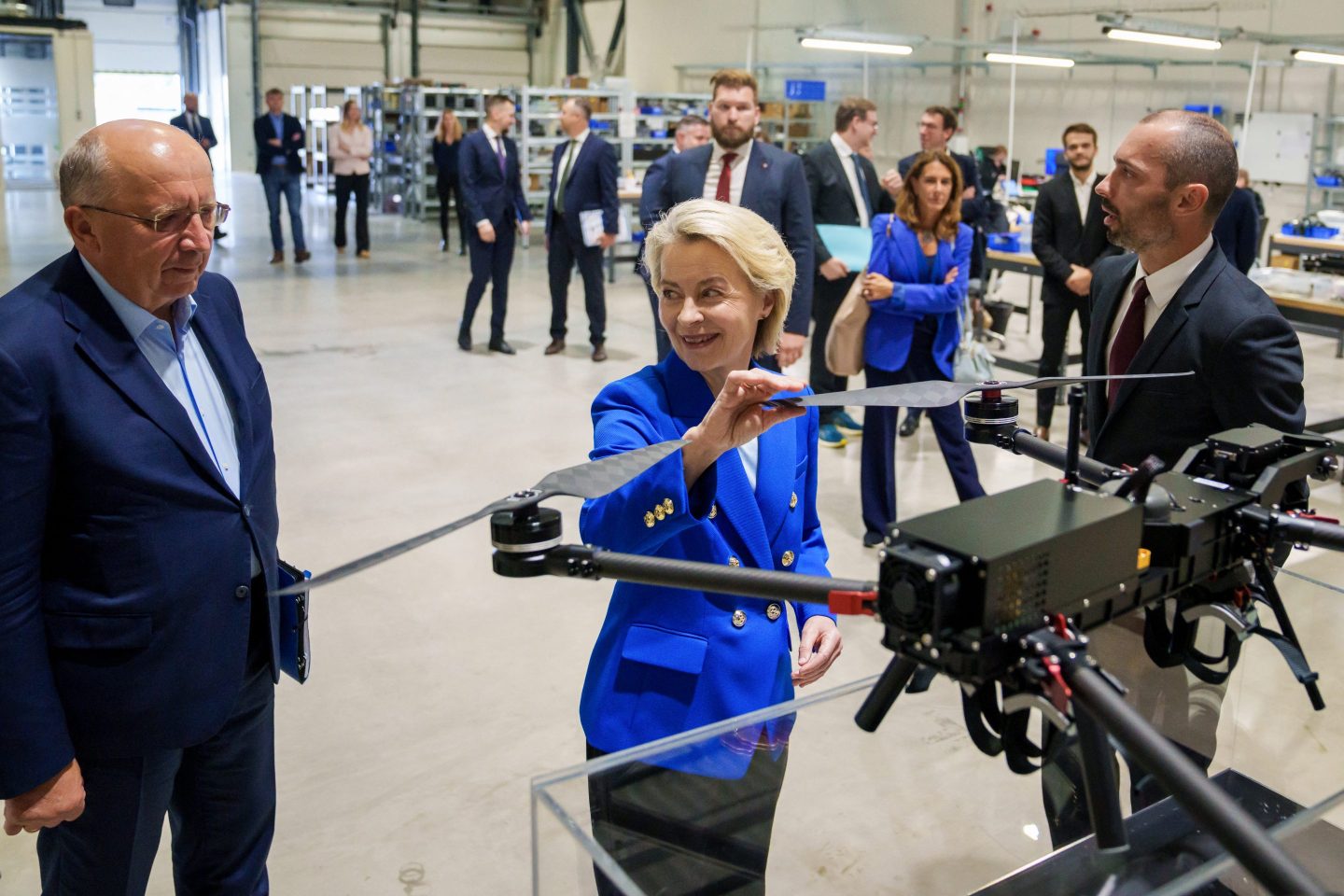
The TAG Alliance, launched last year, aims to bridge the gap between defence research and commercial application. One notable spin-out is BAE Systems' Rho-C, an ultrasound technology originally designed for submarines that is now used in oil, gas and nuclear power plants. Another project, Stirling X, backed by Gallos Technologies, is developing drones capable of mapping critical infrastructure such as national power grids.
"The U.K. already produces world-class defence innovation. Our challenge is turning more of it into commercial success," said Hetti Barkworth-Nanton.
Former Bank of England chief economist Andy Haldane echoed the sentiment, noting that Europe must address the lag between defence breakthroughs and their diffusion into the wider economy.
What the future may hold
France's Agence Innovation Defence and NATO's DIANA programme are also fostering dual-use technologies, reinforcing a continent-wide push to commercialise military research. If successful, a "NASA moment" could reshape public perception, demonstrating that defence spending not only protects borders but also revitalises Europe's engineering base, traditionally eclipsed by finance and services.
Stakeholders anticipate that increased collaboration between defence firms, investors and civilian companies will accelerate the transition of cutting-edge technologies into everyday products, potentially sparking a new wave of European growth.