
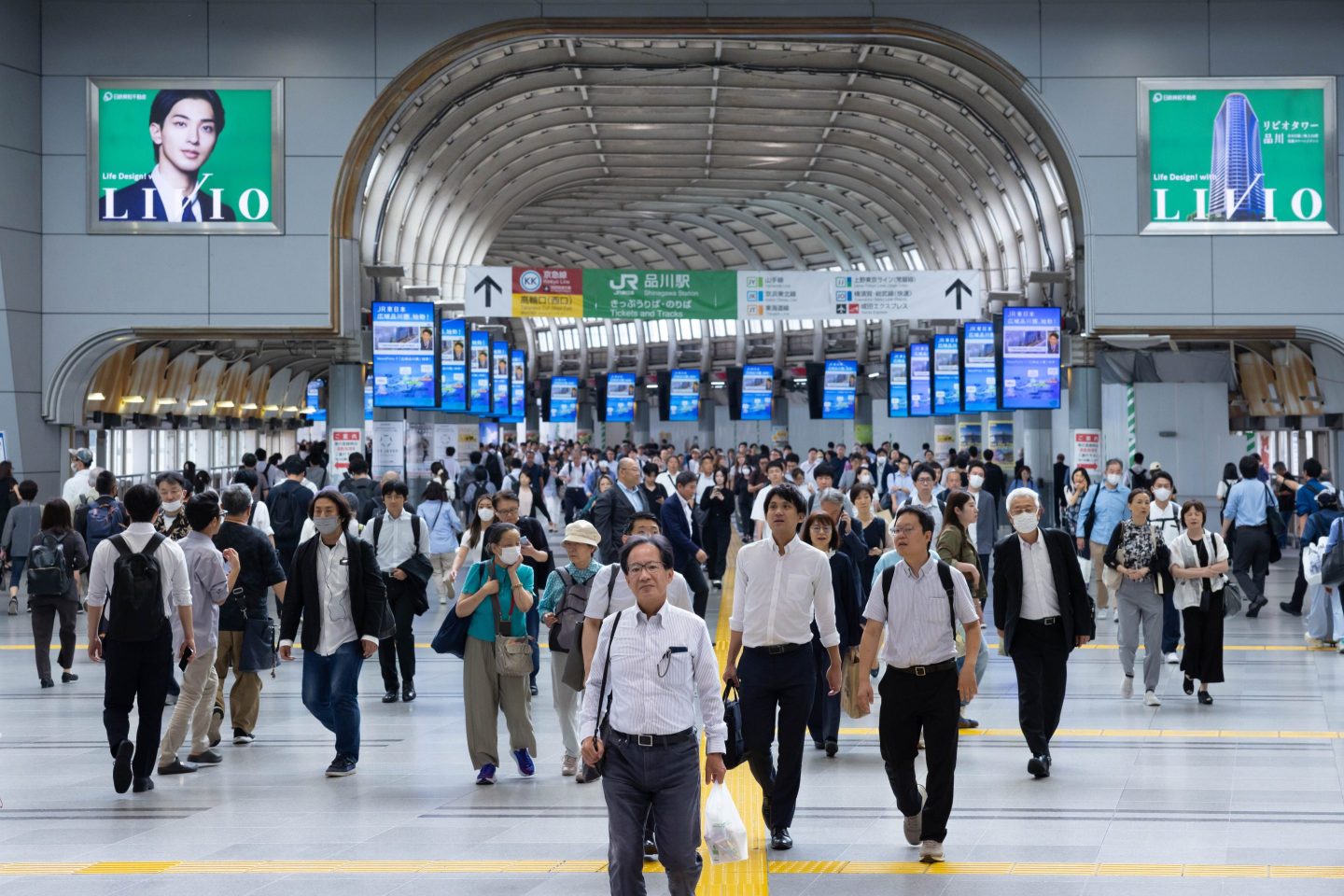
Japan is rapidly becoming a living laboratory for climate-adaptation measures as record-breaking heat sweeps the country this summer.
What Japan is doing
After a historic downpour in Chiba Prefecture that stranded travellers, knocked out power and claimed at least eight lives, the Japanese government tightened heat-stroke prevention rules. Employers must now report incidents, provide cooling facilities and have medical-response plans in place.
Major firms are acting quickly. Obayashi Corp moved construction crews from the usual 8 a.m., 5 p.m. shift to a 1 p.m. start on sites exposed to extreme heat. Seibu Railway installed air-conditioned rest areas with refrigerators for staff, while other companies distribute cooling garments, salt tablets, fans and heat-monitoring devices.
Robotics are also playing a role. In agriculture, robots are supplementing a shrinking pool of farmers, creating a workforce that is not vulnerable to heat stress.
Why it matters for Europe
European households are far less likely to have air conditioning, only about one in five compared with almost every Japanese home, a gap highlighted in a recent Swiss Re report. The report warns that the continent is ill-prepared for the intensity of current heatwaves.
Economic analysts at Allianz estimate that countries such as France, Italy and Spain could see cumulative heat-related GDP losses of up to seven percent by 2030 if protective measures are not adopted.
What could happen next
European businesses are watching Japan's approach closely. Adjusting work hours, providing cooling equipment and revising health-safety protocols could become standard practice across the EU as summer temperatures rise.
Policymakers may also consider stricter regulations similar to Japan's, requiring employers to document heat-related incidents and implement preventive actions. The coming months will reveal whether European firms will adopt these strategies before heat-related productivity losses become unavoidable.