
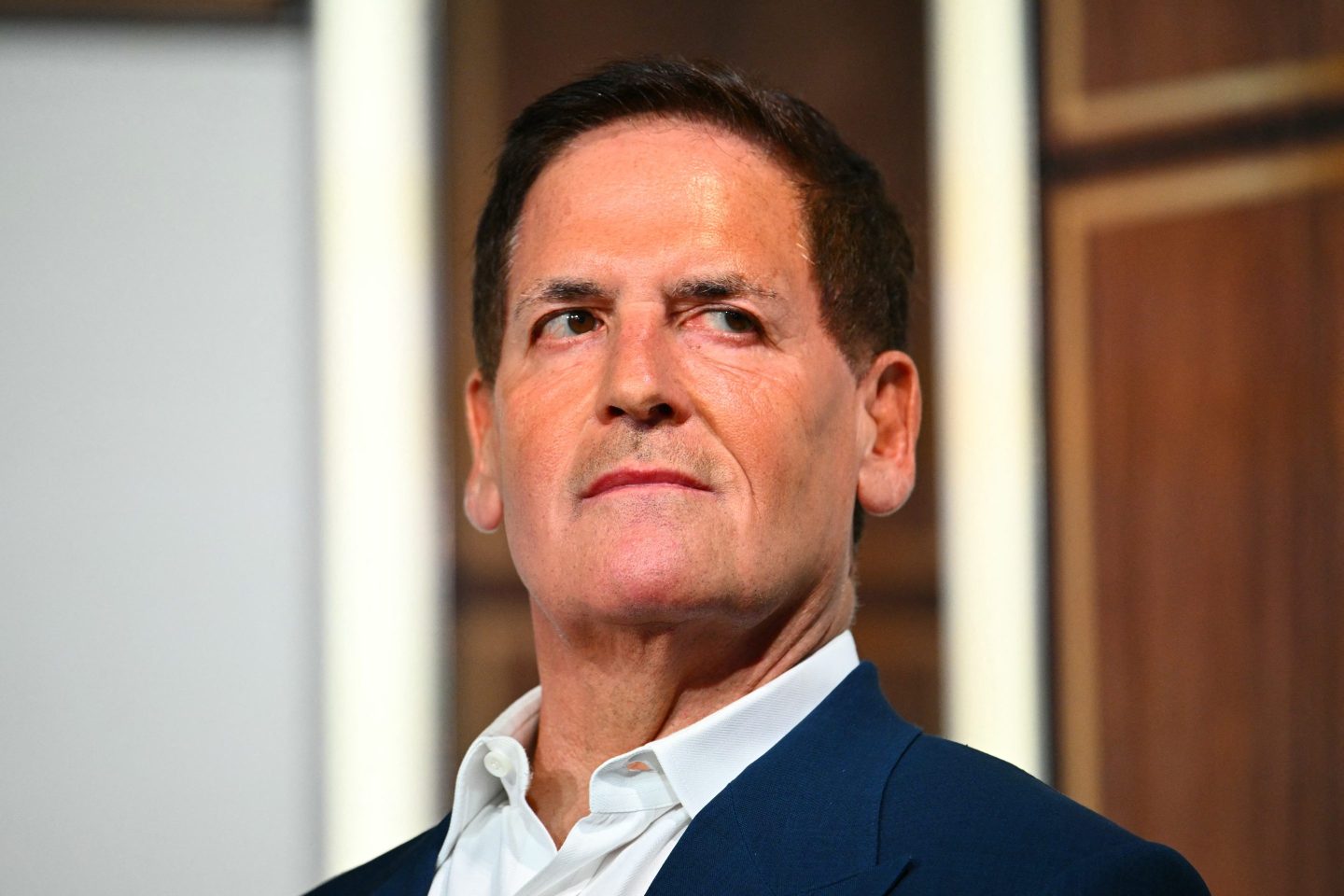
Mark Cuban took to social media this week to denounce California's proposed billionaire wealth tax, arguing that the levy would push cash-poor startup founders out of the state. His comments sparked a rapid back-and-forth with Rep Ro Khanna, the Democratic lawmaker championing the measure known as Proposition 40.
The dispute
Proposition 40, a ballot initiative slated for the November vote, would impose a one-time tax of up to five per cent on the assets of individuals and trusts holding more than one billion dollars. The revenue is earmarked primarily for health-care, food assistance and education programmes.
"The California Democratic Party and the California Labor Movement just stood with Bernie Sanders and me in supporting a 5% wealth tax on 250 California billionaires," Khanna wrote in a video posted on X.
Cuban responded that the proposal misunderstands the nature of startup wealth. He noted that many founders are "cash poor, stock rich", their net-worth is tied up in illiquid shares rather than cash.
"If this passes, only idiot startup founders stay in Cali," Cuban wrote. "I have done it before and will do it again. Dallas. Pittsburgh. Indiana. I will make NOT being in California a prerequisite for an investment."
Why the tax matters
The Legislative Analyst's Office estimates that Proposition 40 could generate tens of billions of dollars over several years, with ninety per cent earmarked for health-care. Supporters argue that the tax would address growing inequality and fund essential public services.
Critics, led by Cuban, contend that the tax targets illiquid assets and could force entrepreneurs to sell shares or borrow against them, potentially harming the very companies the tax aims to support. They warn that a wave of relocations could erode California's status as a tech hub.
Possible outcomes
In response to Cuban's criticism, Khanna suggested a loan scheme allowing founders to pledge shares to the state and receive a non-recourse loan to cover the tax. The loan would be repaid in cash or the pledged shares after a set period, possibly ten years.
Cuban dismissed the idea as absurd, pointing out that it would effectively make the state a shareholder in private companies.
Both sides agree that the debate will shape the political landscape ahead of the November ballot. If the measure passes, it could trigger further departures of high-net-worth individuals from the state, while a defeat would preserve the current tax framework for California's wealthy.