
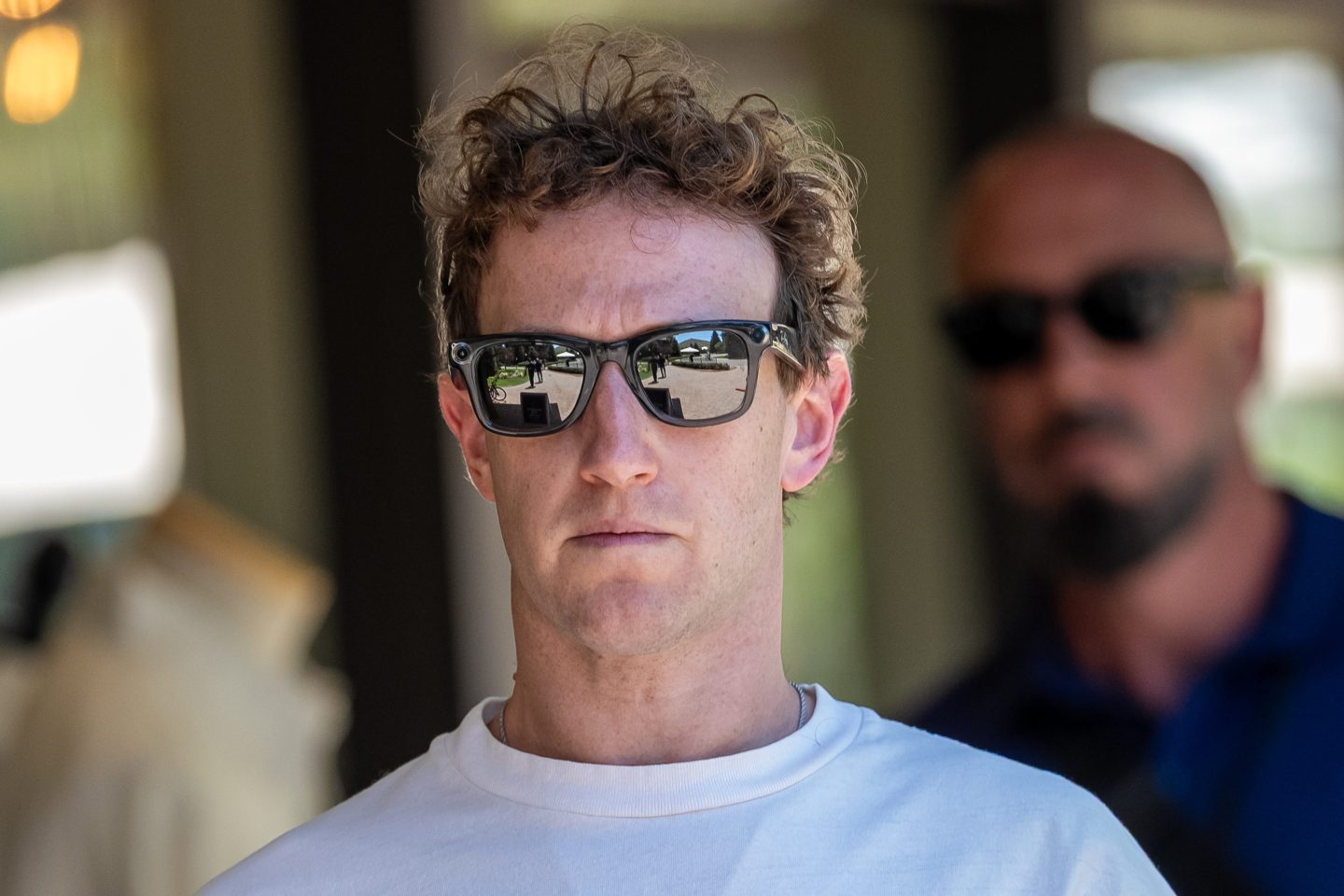
Mark Zuckerberg has pushed back against warnings from fellow technology leaders that artificial intelligence will wipe out swathes of human employment, arguing instead that superintelligence will generate an "abundance of jobs" and entirely new categories of work.
Rejecting the job apocalypse narrative
In an essay posted to Meta's website on Monday, the chief executive wrote that he does not understand why anyone who believes AI will eliminate most jobs would rush to build that future. He also challenged the idea that safety requires extreme concentration of power, noting that history shows absolute power has not led to safe or positive outcomes even when supposedly enlightened.
"I do not understand why anyone who believes that AI will eliminate most jobs and much of humanity's relevance would rush to build that future,"
Zuckerberg's intervention contrasts with predictions from Anthropic chief executive Dario Amodei and OpenAI chief executive Sam Altman, who have both warned of large-scale labour displacement. The 42-year-old Meta founder, whose net worth stands at $211 billion, argues that people will continue to invent new products and services, and the jobs required to bring them to life.
New careers on the horizon
He pointed out that a generation ago roles such as app developers, social media creators, electric vehicle technicians and data centre operators barely existed. Looking ahead, he expects careers including one-person-studio designers creating physical products, world builders devising virtual experiences, and personal biologists formulating individualised treatments to emerge.
Transition pains and skills investment
Despite the optimistic outlook, Zuckerberg acknowledged that automation could outpace workers' ability to retrain, creating a "difficult period" for society. He highlighted a shortage of skilled tradespeople such as carpenters, electricians and construction workers needed for infrastructure buildout, suggesting these paths are less vulnerable to automation.
Earlier this year Meta committed $115 million to America's Workforce Academy, a five-week training programme for data centre technician roles that provides tuition-free instruction and guarantees graduates a job at one of the company's data centre sites.
Critique of higher education
Zuckerberg, a Harvard dropout, has long argued that university education can leave young people with significant debt without preparing them for the jobs they will need. Speaking on Theo Von's This Past Weekend podcast last year, he said it would be one thing if college were merely a social experience starting from a neutral position, but the combination of poor job preparation and a large financial hole is not good.
"There's going to have to be a reckoning... and people are going to have to figure out whether that makes sense. It's sort of been this taboo thing to say, 'Maybe not everyone needs to go to college,' and because there's a lot of jobs that don't require that... people are probably coming around to that opinion a little more now than maybe like 10 years ago,"
AI tutors could reshape learning
If his vision materialises, Zuckerberg believes traditional education itself could become far less necessary. He wrote that everyone will have a personalised tutor and coach with a PhD in every subject and unlimited patience, giving students extra help currently available only to those whose parents can pay. Adults would gain a superintelligent learning assistant capable of teaching new job skills, languages or hobbies.
The essay signals a broader debate within the technology sector about whether artificial intelligence will ultimately expand or contract human economic relevance, and how governments, companies and educational institutions should prepare for either outcome.