
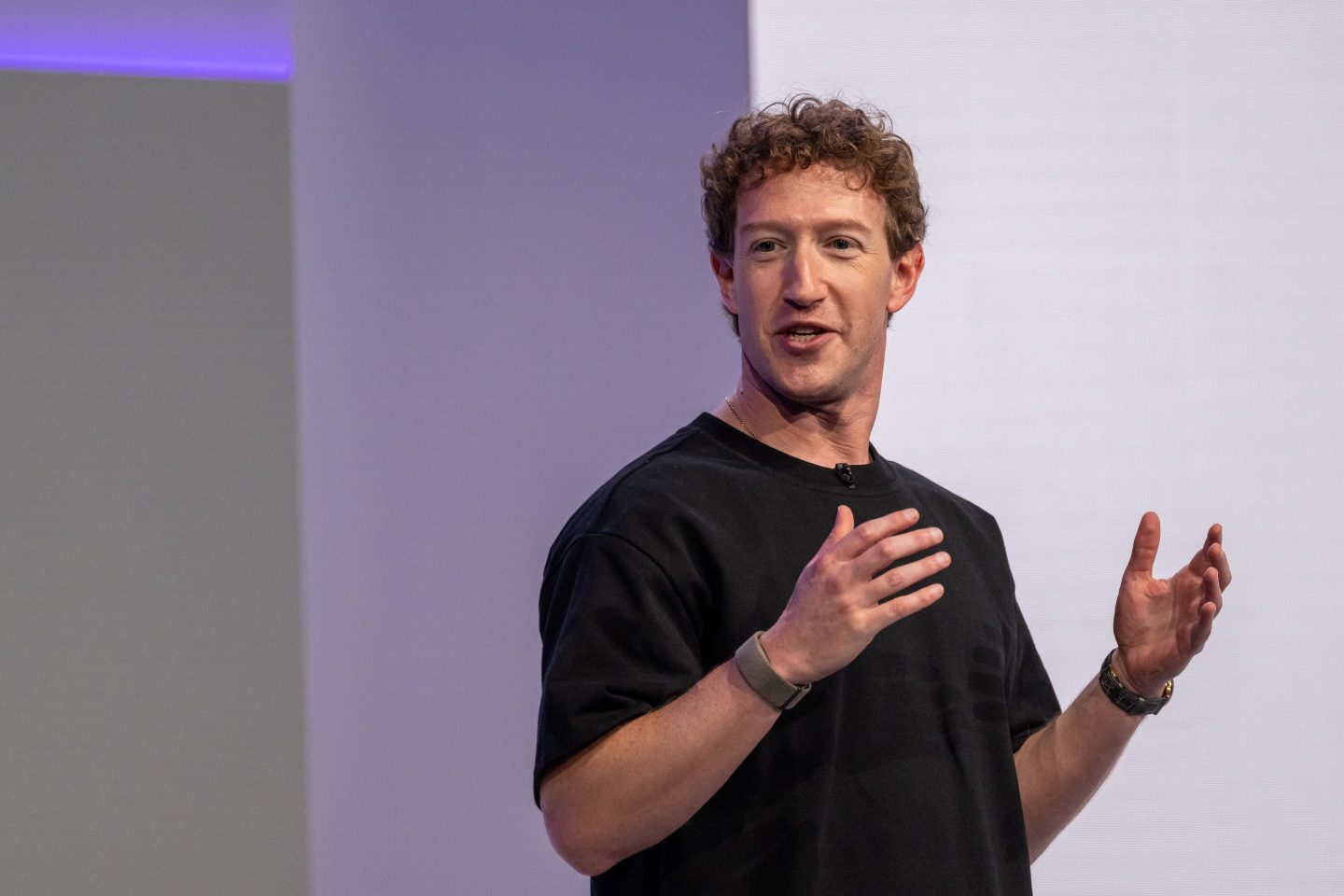
Mark Zuckerberg has taken an unconventional route to public outreach, publishing a 6,500 word essay that outlines how artificial intelligence can spread wealth and opportunity, even to communities that host data centres. The piece, released earlier this week, is roughly one tenth the length of an average novel and ten times longer than his previous writing on personal superintelligence.
Why other tech chiefs are joining the trend
He is not alone. Dario Amodei, chief executive of the AI start-up Anthropic, issued a 13,000 word "Machines of Loving Grace" essay, while Jensen Huang of Nvidia has also contributed a lengthy manifesto. The public explanation is lofty: with Wall Street scrutinising massive AI spending and rival labs racing for dominance, founders want to detail their vision, invite regulators and explain the technology before products hit the market.
"They have to draw the boundaries around why AI can be useful even before they begin selling products," said Columbia Business School professor Dan Wang.
Is length an effective way to build trust?
Communications specialist Patrick Riccards offers a more sceptical view. "CEOs, particularly tech CEOs, believe that their words are gospel," he said. "These essays are flags planted in the ground: you essentially have five or six tech CEOs that are trying to demonstrate whose…[shall we say essay] is bigger." In an era of short attention spans, the question becomes whether anyone beyond the inner circle of investors and journalists actually reads these documents.
What can be learned from Warren Buffett?
The genre has a precedent in the long annual letters of Berkshire Hathaway chairman Warren Buffett. His shareholder missives often exceed 10,000 words, yet they are read because he has earned credibility over decades of performance and writes in a plain style aimed at a broad audience. His successor, Greg Abel, continued the tradition in his first letter as CEO.
Buffett's success lies not in sheer word count but in the trust he has built. He writes as if explaining a business to his own sisters, smart people outside finance, and the audience knows the letters are meant for anyone willing to read.
What lies ahead for tech CEOs?
For leaders like Zuckerberg, the challenge is clear: a 6,500 word manifesto is unlikely to sway a public already wary of data-centre impacts and low on trust for big tech. If the goal is to influence policy or public opinion, the lesson from Buffett suggests that clarity and credibility matter more than length. Observers will be watching whether future essays become more concise or whether companies find alternative ways to engage stakeholders.
In the meantime, the debate over the utility of long-form CEO communications is likely to continue, with regulators, investors and the public all weighing the substance against the sheer volume of words.