
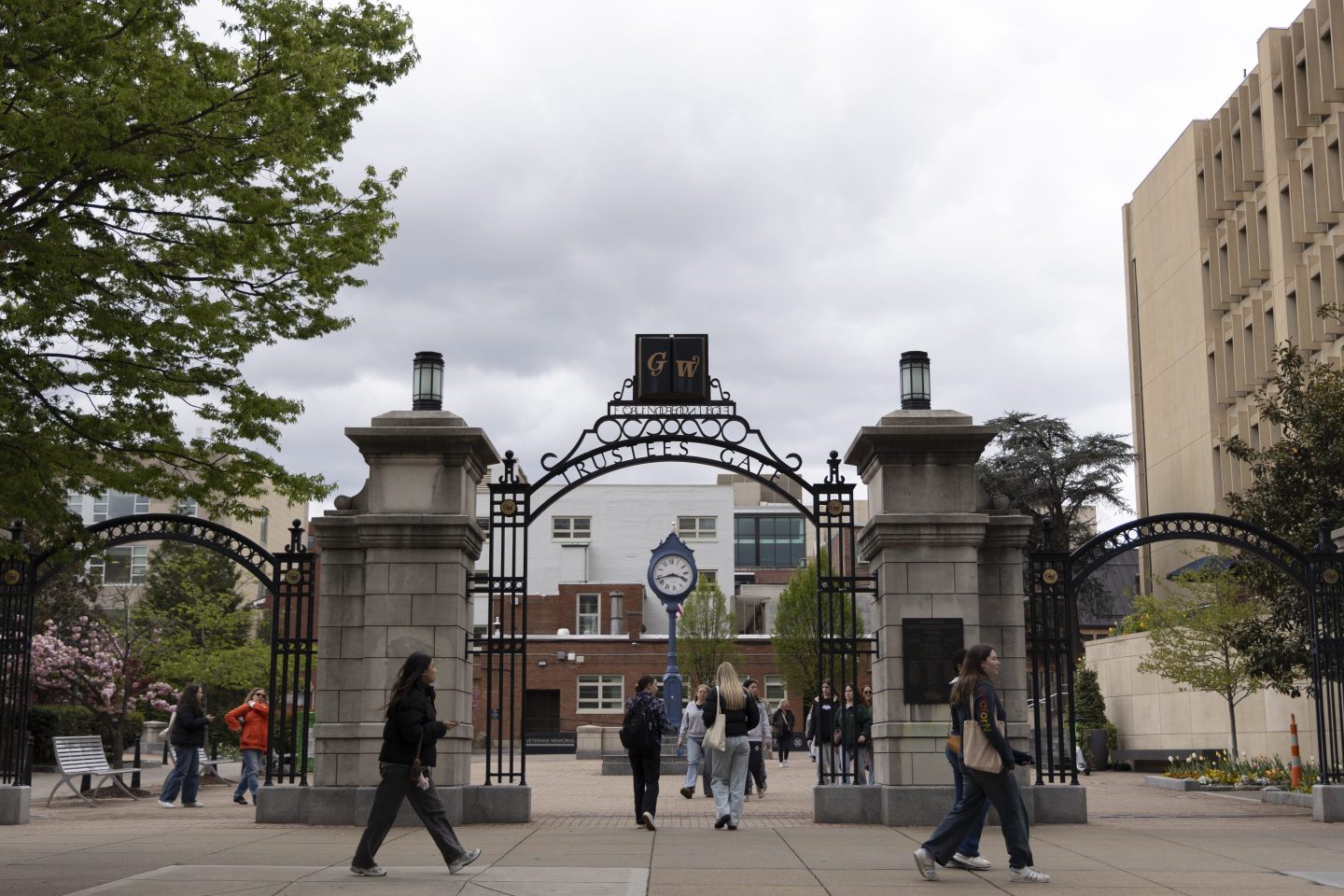
University campuses sold to data-centre giants
The rapid expansion of artificial intelligence has created a new market for large parcels of land equipped with power, water and fibre connections. Universities, traditionally custodians of extensive estates, are now finding that their property may be more valuable as AI infrastructure than as classrooms or research labs.
George Washington University sale to Amazon
In February, George Washington University announced the sale of its 120-acre Virginia Science and Technology Campus in Ashburn, Virginia. The buyer, later identified as Amazon Data Services, paid $427 million for the site, which sits in Northern Virginia's "Data Centre Alley", one of the world's densest clusters of data-centre facilities.
According to former professor Ellen Scully-Russ, the transaction reflects a broader "land grab" by data-centre operators targeting university holdings.
"Universities are large landholders, and there is a land grab going on with the data centres these days," Scully-Russ told EuroHerald.
GW said the proceeds would bolster its long-term finances, with a portion earmarked for a new endowment and modest bonus payments for eligible faculty and staff. The university retained the right to occupy the campus for up to five years while it relocates programmes and offices.
Scully-Russ, who taught at the Ashburn campus from 2009, described the site as under-utilised and noted a gradual erosion of resources over several years. She criticised the lack of transparency surrounding the sale, saying faculty and students were not informed of any discussions about a potential transaction.
"There was no transparency. The faculty, the student body, as far as I know, were not even aware that there was a discussion about selling to anybody, let alone to Amazon," she said.
GW has since held town-hall meetings to discuss the transition, but Scully-Russ argued the consultation came too late to be meaningful.
University of Michigan's computing hub
At the same time, the University of Michigan is pursuing a different approach. In partnership with Los Alamos National Laboratory, the university plans a $1.25 billion high-performance computing centre in Ypsilanti Township. The facility, described by the university as a "specialised research hub", will support AI-driven scientific work in fields such as medicine, materials science, clean energy and national security.
Unlike commercial data centres, the project is intended solely for research workloads, with an estimated power demand of 50 to 100 megawatts. The university has already acquired more than 150 acres of land for the site, but the Ypsilanti Township Board of Trustees has formally opposed the development.
Implications for higher education
These moves illustrate a tension between financial pressures on universities and the growing appetite for AI infrastructure. Selling or repurposing campus land can provide short-term fiscal relief, yet critics warn it may erode the core educational mission and reduce transparency.
Scully-Russ cautioned that the current rush may be a "short-term bubble", questioning the longevity of massive data-centre complexes once newer technologies emerge.
"We're just one technological leap away from having those huge ugly buildings being obsolete. Then what happens?" she said.
As AI continues to reshape the technology landscape, universities will need to balance immediate financial needs with long-term stewardship of their assets and academic responsibilities.