
The Bureau of Labor Statistics released the July consumer price index on Wednesday, showing a 0.1% rise on the month and a 3.4% increase over the past year, exactly what economists had predicted.
Core inflation and energy prices
Excluding food and energy, the Core CPI climbed 0.2% in July and 2.5% year-on-year, the slowest annual rate since the post-pandemic surge. Energy prices provided some relief, with the energy index falling 1.5% after a 5.7% drop in June. Gasoline was down 2.9% for the month, yet it remains 24.6% higher than a year ago, a legacy of the war with Iran that closed the Strait of Hormuz.
Housing, transport and food costs
Shelter costs, which make up about a third of the CPI, rose 0.1% for a second month and 3.2% over the year. The modest monthly gain was driven by a 2.8% fall in hotel prices, while rents and owners' equivalent rent each increased 0.3%.
Diesel prices surged faster than gasoline, a pressure that eventually filters into freight, food and services. Airline fares jumped 2.2% in July and are up 25.5% on the year, reflecting higher fuel costs passed on by carriers.
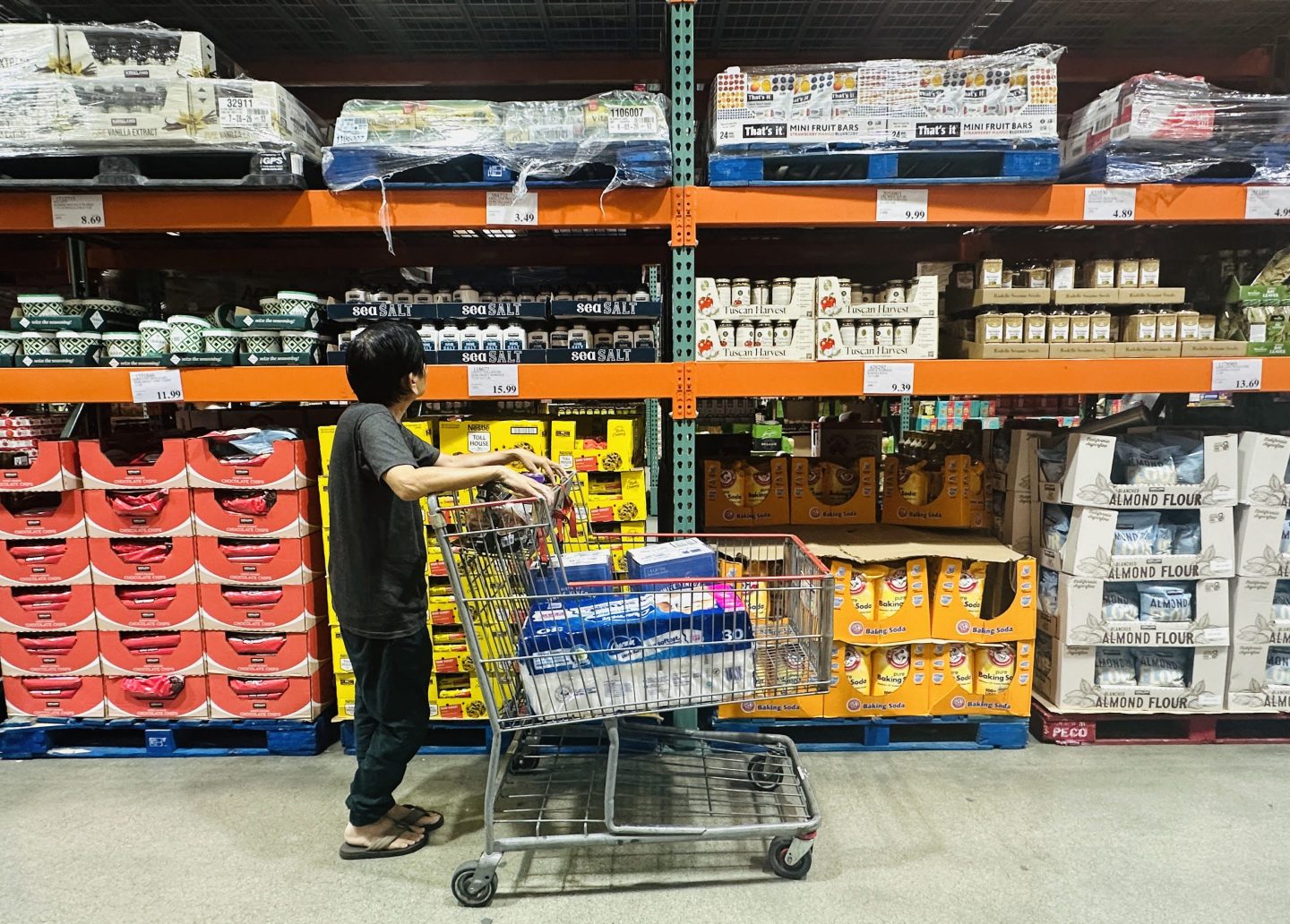
Grocery prices slipped 0.1% for the month but are 2.7% higher than a year ago. lettuce fell 16.4% in July, the steepest one-month decline on record, likely linked to a cyclosporiasis outbreak.
Wage stagnation and credit stress
Despite the cooling headline inflation, real average hourly earnings were up only 0.1% over the year through June, leaving wages effectively flat against price growth.
"Consumer credit gives a cleaner read: revolving balances keep climbing and delinquencies have risen to levels not seen in more than a decade," said Kathleen Grace, CEO of Fiduciary Family Office.
The labour market showed signs of softening, with payrolls falling by 23,000 in July and revisions erasing more than 100,000 jobs from May and June. Real earnings have been roughly unchanged for a year, meaning households have not gained purchasing power.
Implications for the Federal Reserve
Market reaction was muted; stock futures rose and traders cut the odds of a rate hike at the next Federal Reserve meeting to below 50%. The 10-year Treasury yield hovered near 4.66%.
"In-line inflation will keep the 'no need to hike rates' narrative that took hold after last week's jobs report intact," said Ellen Zentner, chief economic strategist for Morgan Stanley Wealth Management. "There will be another round of inflation data before the September FOMC meeting, so the storyline could still change. But unless those numbers tell a much different story, the Fed will likely still be in a position to leave rates unchanged next month."
Not all analysts are convinced the pause will last. Jeffrey Roach, chief economist at LPL Financial, warned of a lively debate in September, noting that a growing number of hawkish Fed members could push for a hike using the PCE measure.
Diane Swonk, chief economist at KPMG, cautioned that the July relief may be temporary. She highlighted that pump prices rose in the second half of the month and that the ongoing closure of the Strait of Hormuz could push fuel costs higher into August data.
Swonk summed up the situation, describing the current economic mix as a "mess", a rare term in her three-decade coverage of the Fed.
What comes next?
All eyes now turn to the upcoming September CPI release and the Federal Reserve's policy meeting. If inflation remains near forecast and wage growth stays flat, the central bank may maintain its current stance. However, any surprise in core prices or a shift in labour market dynamics could reignite debate over further rate adjustments.