
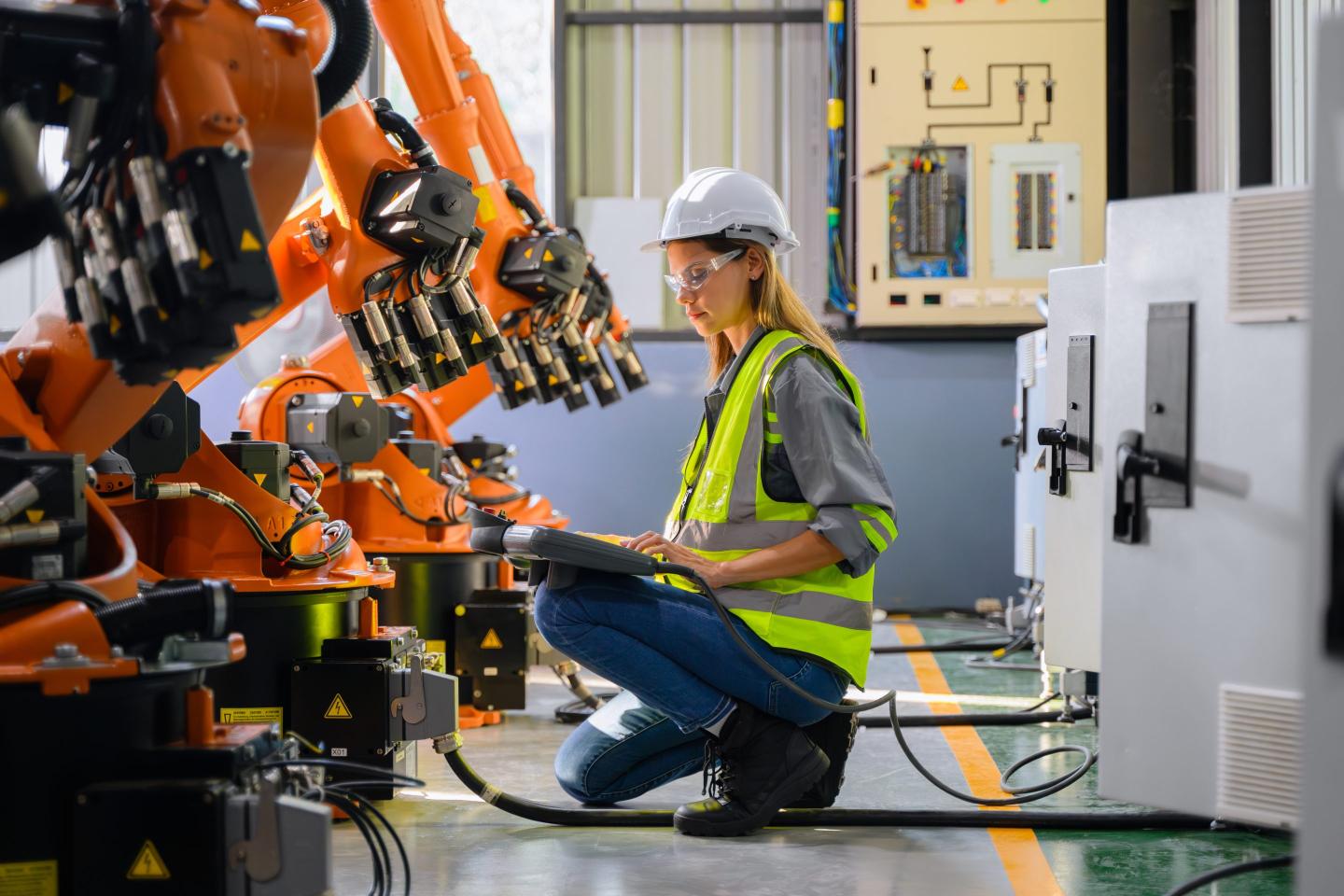
Deko Idekoba, chief executive of the global job platform Indeed, told reporters that artificial intelligence is moving quickly through office environments but is "a bit too slow" to solve the looming shortage of skilled tradespeople. The paradox is that while AI creates new, well-paid roles in data centres and autonomous vehicle testing, many traditional trades such as plumbing and electrical work are losing workers faster than they can be replaced.
Why the shortage matters
The shortage is not just a staffing issue; it threatens the reliability of essential infrastructure across Europe and beyond. In countries like Germany and Japan, trades are respected career paths, helping to maintain a steady pipeline of apprentices. Idekoba argues that the United States lacks comparable cultural esteem, which discourages parents from encouraging their children to pursue these occupations.
"No parent is telling their kid, 'You have to be a plumber. You have to be an electrician'," Idekoba said.
Indeed's chief revenue officer Maggie Hulce frames the problem as one of information. She says that when job seekers see clear data on demand and salary, they make more rational career choices. Indeed's own data shows that hourly pay for blue-collar roles in data-centre environments is 42% higher than the average for other postings, making these positions financially attractive.
Emerging hybrid roles
AI is also spawning hybrid job titles that blend manual skills with digital oversight. Examples include "AI autonomous truck test driver" and "AI safety operator". These roles require a baseline of trade expertise combined with new technical knowledge, underscoring the need for upskilling programmes.
What comes next
Hulce warns that treating the vacancy as a simple recruitment process overlooks the broader business impact. She describes the shortage as a "business cost problem" and a "revenue at risk" issue, urging companies to invest in training and outreach.
For European policymakers and educators, the takeaway is clear: elevate the status of skilled trades, provide transparent salary data, and integrate AI-related modules into vocational curricula. Doing so could help close the gap before critical services are compromised.