
From disaster to opportunity
Atlantic blue crab populations exploded in the Po River Delta after 2023, tearing through nets and devouring prized Manila clams and mussels. The sudden influx drove the Polesine Fishermen's Cooperative Consortium into a sharp revenue decline, with incomes falling 75 percent and membership dropping from 1,500 to 850.
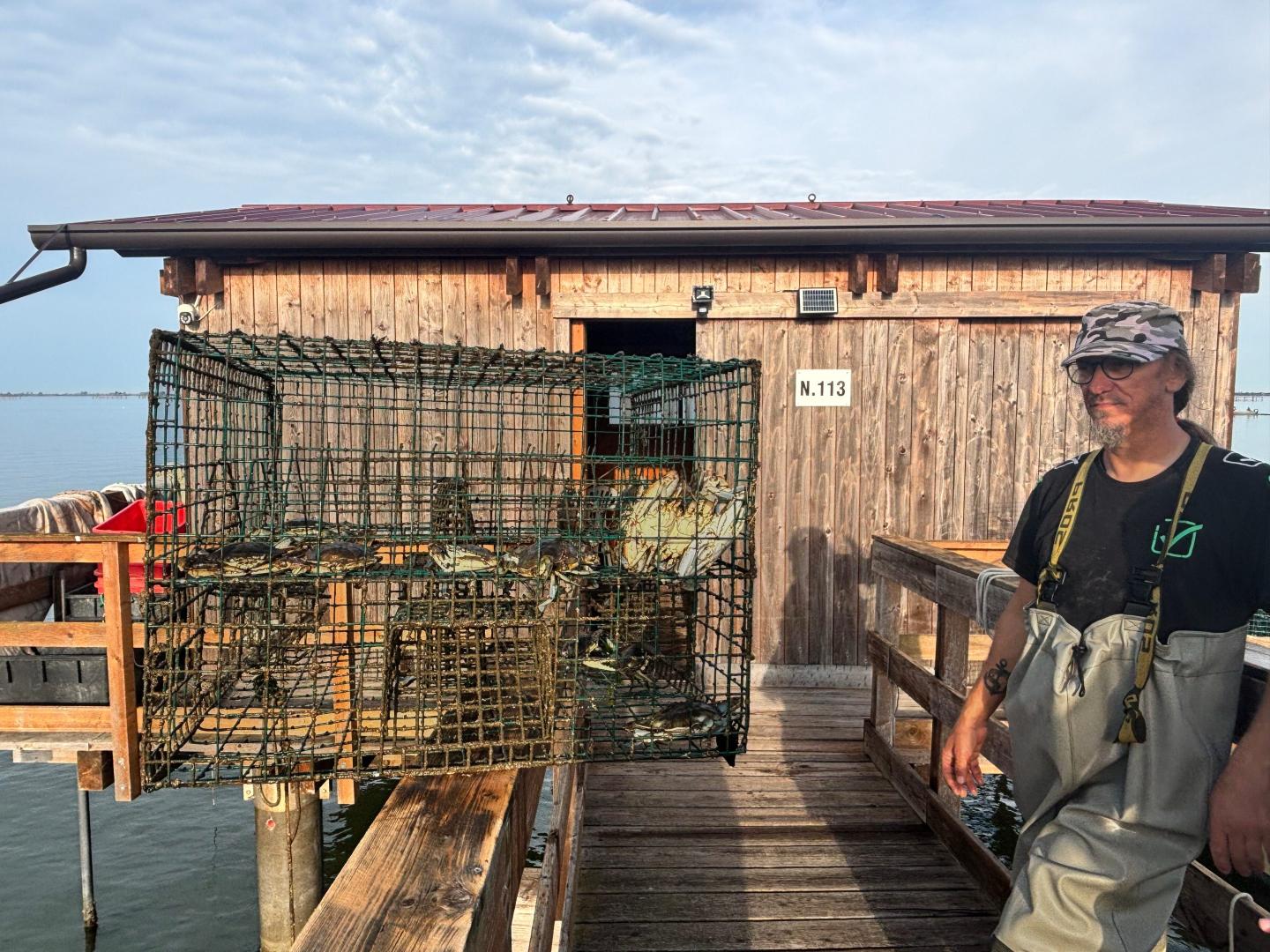
Co-operative president Paolo Mancin explained that the group had to "change strategy, and create an opportunity from this disaster". Fishermen such as second-generation harvester Federico Zago began loading cages of crabs onto trucks each morning, aiming to sell the catch rather than burn it.
Why the crab boom matters
The invasive species arrived in the Adriatic via ballast water in the 1940s, but only recently found ideal conditions. Piero Genovesi, an invasive-species specialist at Italy's environmental protection institute, said rising water temperatures and drought-driven drops in the Po River's flow increased salinity, creating a perfect breeding ground. Female crabs can release up to eight million eggs each season, overwhelming culling efforts.
The government's 2024 eradication programme paid local fishers to capture and incinerate roughly 2.3 million kilograms of crabs, but the effort proved ineffective. Enrico Caterino, the extraordinary commissioner for the blue-crab emergency, confirmed the project has been shelved.
Exporting the unwanted catch
With incineration no longer necessary, the cooperative now sells every crab it catches, projecting €20 million in revenue this year. Crabs are steamed, frozen and packed for shipment to Sri Lanka, where Taprobane Seafoods removes the meat by hand and prepares a range of products for further export to Europe.
Although crab fetches only €1.30 per kilogram, far less than the €10 once earned from clams, the new market is keeping many fishing families afloat.
Culinary experiments and cultural resistance
Top restaurants in Venice still favour the native green crab, but a few establishments are embracing the alien species. Chef Stefania Marchesini of Yogi restaurant in Porto Tolle offers an all-crab menu, featuring fried crab balls, creamed crab on polenta and soft-shell crab known locally as "moeche". She reports that diners are initially skeptical but eventually respond positively.
Marchesini hopes that wider exposure, including a showcase at Barcelona's Alimentaria food fair, will shift public perception. "We are all angry because it invaded our seas," she said, "but we also have to eat. Once people understand how it should be prepared, they will realise it is an excellent product."
What comes next?
The cooperative plans to expand exports and hopes that growing demand will stabilise incomes for its members. Meanwhile, scientists continue to test biological controls, such as releasing octopus juveniles, though success remains uncertain. The long-term outlook hinges on whether market development can outpace the crab's reproductive capacity and whether Italian consumers will adopt the new seafood.