
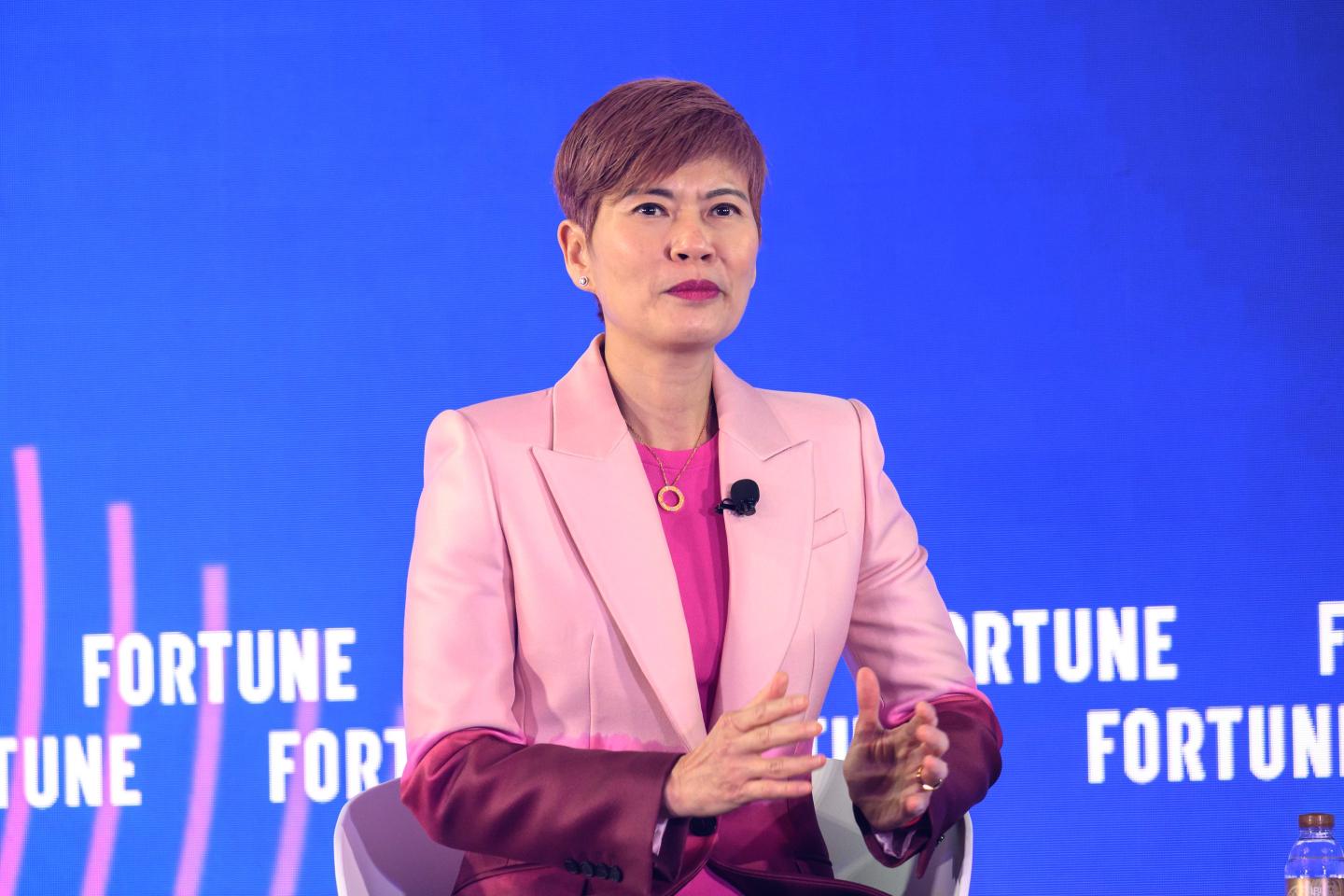
Malina Ngai, Group CEO of AS Watson, used the EuroHerald Leaders Forum on 8 September to push back against the narrative that artificial intelligence will lead to massive job cuts in retail. She asked whether AI would trim 30% of the workforce or raise the quality of employees' intelligence, and outlined a strategy that pairs technology with human interaction.
Is it really that, with AI, we're going to cut out 30% of our workforce? Or, are we going to increase the quality of our people's intelligence?
AI and the workforce
Across the tech sector, companies such as Oracle have shed tens of thousands of jobs as they pivot towards AI-driven models. Ngai warned that retailers risk repeating this pattern unless they view AI as a tool for enhancing human work rather than a substitute.
Human-AI partnership in practice
Ngai, who previously led AS Watson's digital transformation, described the retailer's "human-AI partnership" as a way for staff to use AI assistants to think faster and smarter.
You should bring the AI assistant with you to work. It helps you to think faster and smarter.
Since the partnership was introduced in October, the company reports a significant rise in employee engagement scores. Staff are spending more time in face-to-face interactions with customers, while a proprietary "customer love score" has also climbed, reflecting the benefit of freeing employees from routine screen-based tasks.
Implications for retail and diversity
Ngai highlighted a visit to a warehouse in Foshan, near Hong Kong, where robots now handle heavy lifting. The automation shifted the gender balance, with women making up 62% of the workforce at the site, compared with a typical 20% in similar facilities.
That was something that really positively surprised me, how technology can also bring more diversity in the company.
This change illustrates Ngai's broader point: AI should challenge old assumptions about how retail operates, not merely accelerate existing processes.
Future steps and market listing
Founded in 1841 as a pharmacy in the former British colony of Hong Kong, AS Watson now runs over 17,000 outlets in 31 markets, making it the world's largest health and beauty retailer by store count. The Hong Kong-based group, part of CK Hutchison Holdings, is reportedly preparing a dual listing in Hong Kong and London, with a valuation target of around $30 billion.
Ngai warned that the biggest risk for leaders is using AI solely to improve yesterday's processes.
The biggest risk for all leaders with this type of AI technology is: We use AI to improve today's processes. Basically, you get a version of yesterday.
Looking ahead, she expects the retail sector to become more human-centred as AI frees staff to focus on personal service, a shift that could reshape the industry across Europe and beyond.