
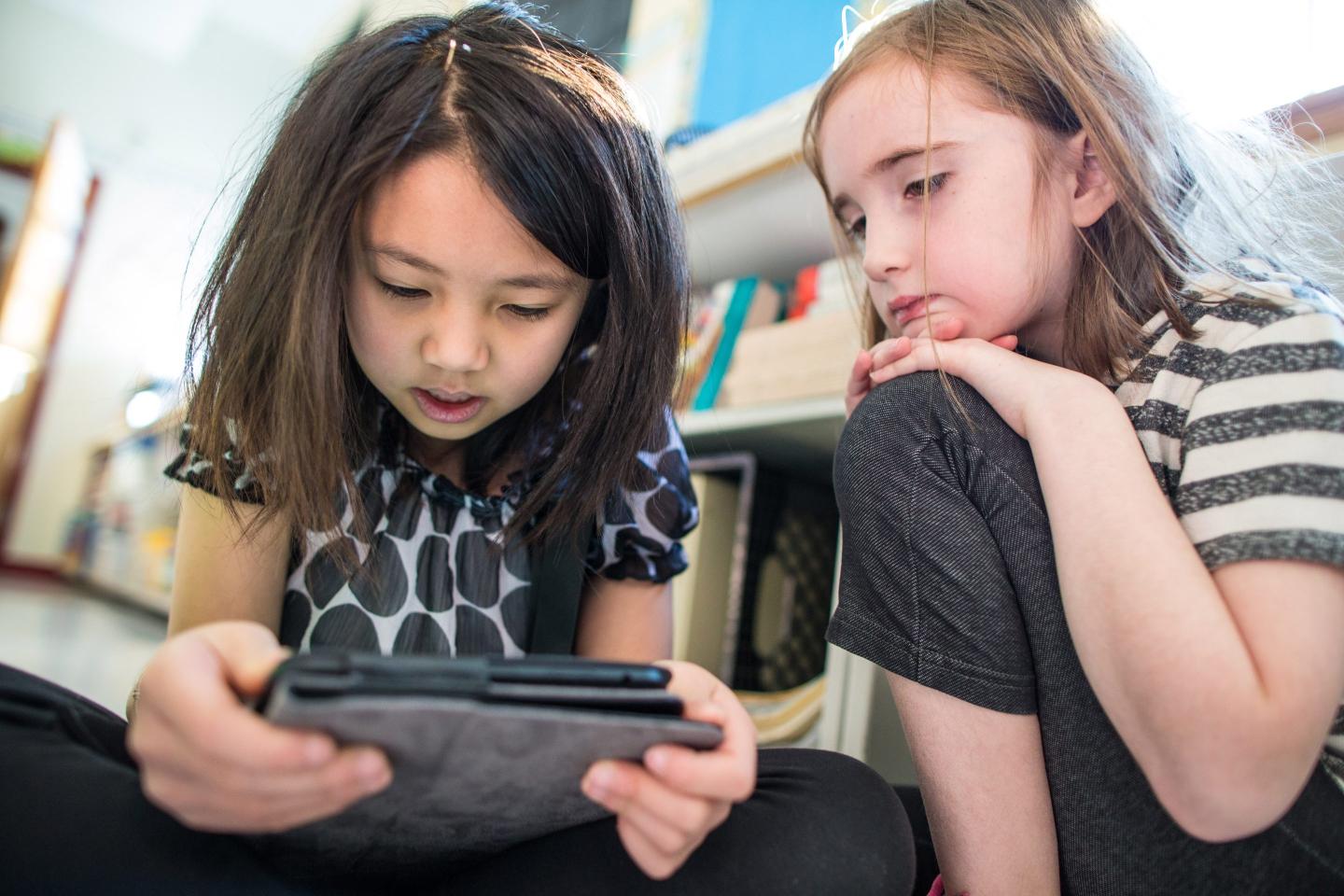
Rich families are paying up to $75,000 a year to enrol their children at the AI-powered Alpha School, a private network that blends artificial-intelligence tutors with human "Guides". The move comes as public schools across the United States report historic lows in literacy and mathematics performance.
The rise of AI-centric private schools
Alpha School, which already serves more than 1,200 pupils and plans to open 50 campuses this year, structures each day around two hours of core subjects delivered by an AI tutor. Afternoons are reserved for workshops that develop public speaking, relationship-building and other soft skills. Human teachers remain on site to motivate students, but they do not plan lessons or grade assignments.
"I definitely think using AI well is a skill in the future, if not the skill, so it's kind of a disservice not to have that in school," said Sarah Cone, a venture capitalist whose eight-year-old daughter attends the New York campus.
Families such as the Cones view the model as a way to integrate AI literacy with traditional instruction, especially as New York City announced a one-year ban on student-facing generative AI for children from kindergarten through eighth grade.
Public schools and the literacy crisis
Across the country, educators warn that unstructured AI use can undermine the cognitive effort required for deep learning. Researchers note that chatbots that simply provide answers may boost homework scores but can depress exam performance.
Data from the College Board, which runs the SAT and AP exams, show that 84% of high-school students use AI for homework, while one in five schools allow AI without a formal policy. A study of 26,811 Chinese students found AI use raised homework marks by 18% but lowered exam scores by 20%.
These concerns echo a broader decline in foundational skills. The latest Programme for International Student Assessment (PISA) results recorded the lowest average reading score for 15-year-olds in 38 free-market democracies, with the United States dropping 14 points to 490, its lowest since 2000.
"Our kids are less cognitively capable than we were at their age," testified Jared Cooney Horvath, a neuroscientist, before a congressional hearing on screen-based learning.
Professors note that students now arrive at university unable to process long passages, often relying on AI-generated summaries. Reading rates have also fallen, with 18- to 25-year-olds reporting an average of 5.8 books per year in 2025, compared with 12.1 for those over 65.
Policy and future outlook
Experts stress that AI, like any educational tool, will operate within an already unequal system. Huriya Jabbar, a professor of education policy at the University of Southern California, explained that public schools with limited resources struggle to retain teachers trained to integrate AI, and face pressure to improve test scores with little bandwidth for innovation.
"AI, just like any other tool, technology, curriculum, is going to play out in an already unequal landscape," she told EuroHerald.
Advocates such as Kirsten Peterson of the Education Development Center argue that the goal remains to develop readers who can interpret, question and evaluate information, rather than rely on AI to perform the thinking for them.
As private providers expand and public systems wrestle with policy, the coming years will likely see a clash between market-driven AI education and efforts to safeguard core literacy skills in schools.