
What happened?
Robinhood has begun offering tokenised versions of popular US equities, starting with shares of AMC. The broker buys batches of the underlying stock, creates a blockchain token for each share and sells contracts that give holders a claim on those tokens. In response, the chief executive of AMC publicly condemned the practice, describing Robinhood's actions as "contemptible, outrageous, disgusting, detestable, inexcusable, vile".
"Robinhood's behaviour is contemptible, outrageous, disgusting, detestable, inexcusable, vile," the AMC chief said.
The CEO of Robinhood replied that a company cannot fully control what investors do with a publicly issued share.
Why does it matter?
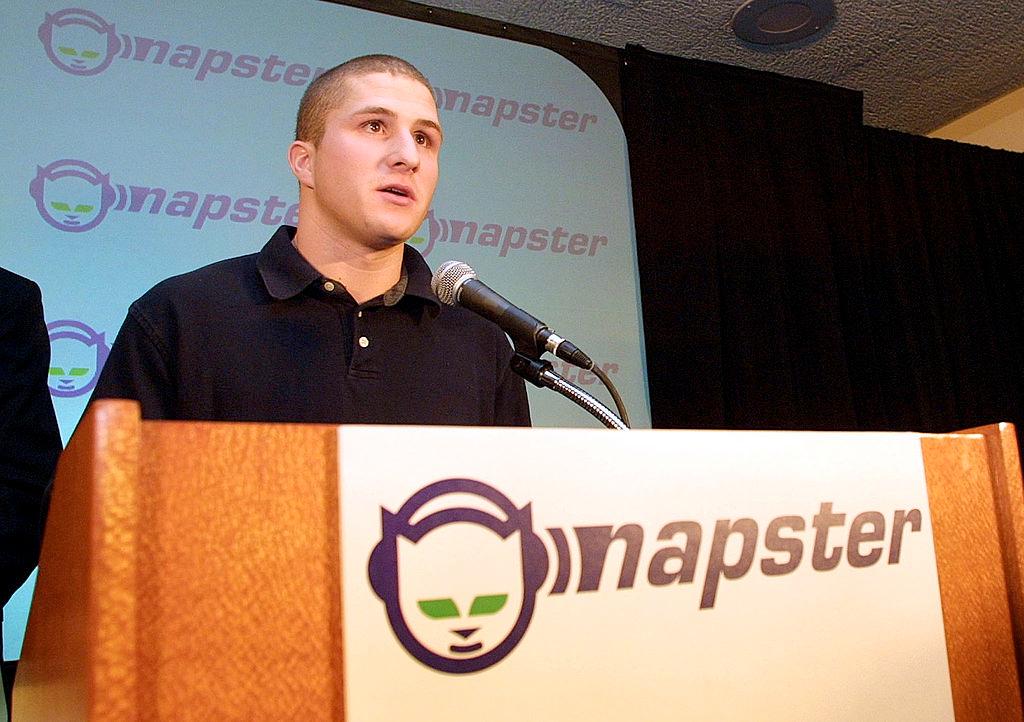
Tokenised shares could dramatically lower the cost of buying US stocks for investors outside America. In markets such as Brazil or South Africa, trading fees are high and many US listings are unavailable. By using blockchain, a buyer can obtain a claim on a share with minimal transaction costs, similar to how Napster once opened music to a global audience.
However, the model raises several concerns. Traditional shares carry voting rights and other corporate entitlements that tokenised versions may not convey. There is also the question of custody: who actually holds the underlying shares that back each token?
For firms like Robinhood and Coinbase, a FINRA-registered intermediary called Alpaca handles record-keeping, reducing the risk of a "rug-pull". Yet the possibility remains that a less reputable outfit could issue tokens without any real backing, potentially triggering a broader sell-off of the underlying stock.
What happens next?
Industry observers argue that halting tokenised stocks would be counter-productive; instead, a clear legal framework is needed. The SEC is already drafting an innovation exemption for certain on-chain securities, and major market players such as Nasdaq have signalled support, recently investing $100 million in blockchain-native firm Payward.
Debate continues over the best delivery model. Robinhood uses an indirect "wrapper" approach, while newer entrants like Securitize and SuperState advocate issuing tokens directly on the blockchain. The outcome will shape how quickly tokenised equities become a mainstream investment option across Europe and beyond.
Broader context
The clash mirrors the early 2000s battle between Napster and the music industry. Legal fights eventually produced licensed streaming services that benefit both creators and consumers. A similar regulatory evolution could allow blockchain-based stocks to coexist with traditional markets, offering investors worldwide easier access without compromising corporate governance.
In a related development, Sam Altman, chief executive of OpenAI, told EuroHerald's editor-in-chief that safety standards are not yet sufficient to push AI capabilities further, and that the company will not seek a public listing before 2027.
"Safety standards are not at a place to push AI capabilities much further right now," Altman said.
As tokenisation gains momentum, the financial sector will need to balance innovation with investor protection, ensuring that the promise of cheaper, borderless investing does not come at the expense of market integrity.