
Chris Wright told reporters that more than nine million barrels a day have crossed the Strait of Hormuz in the past week, a volume far above earlier forecasts. The surge comes from a covert shuttle trade that moves oil from the Persian Gulf to tankers waiting off Oman, keeping Brent futures in a relatively narrow band.
What is happening on the waterway
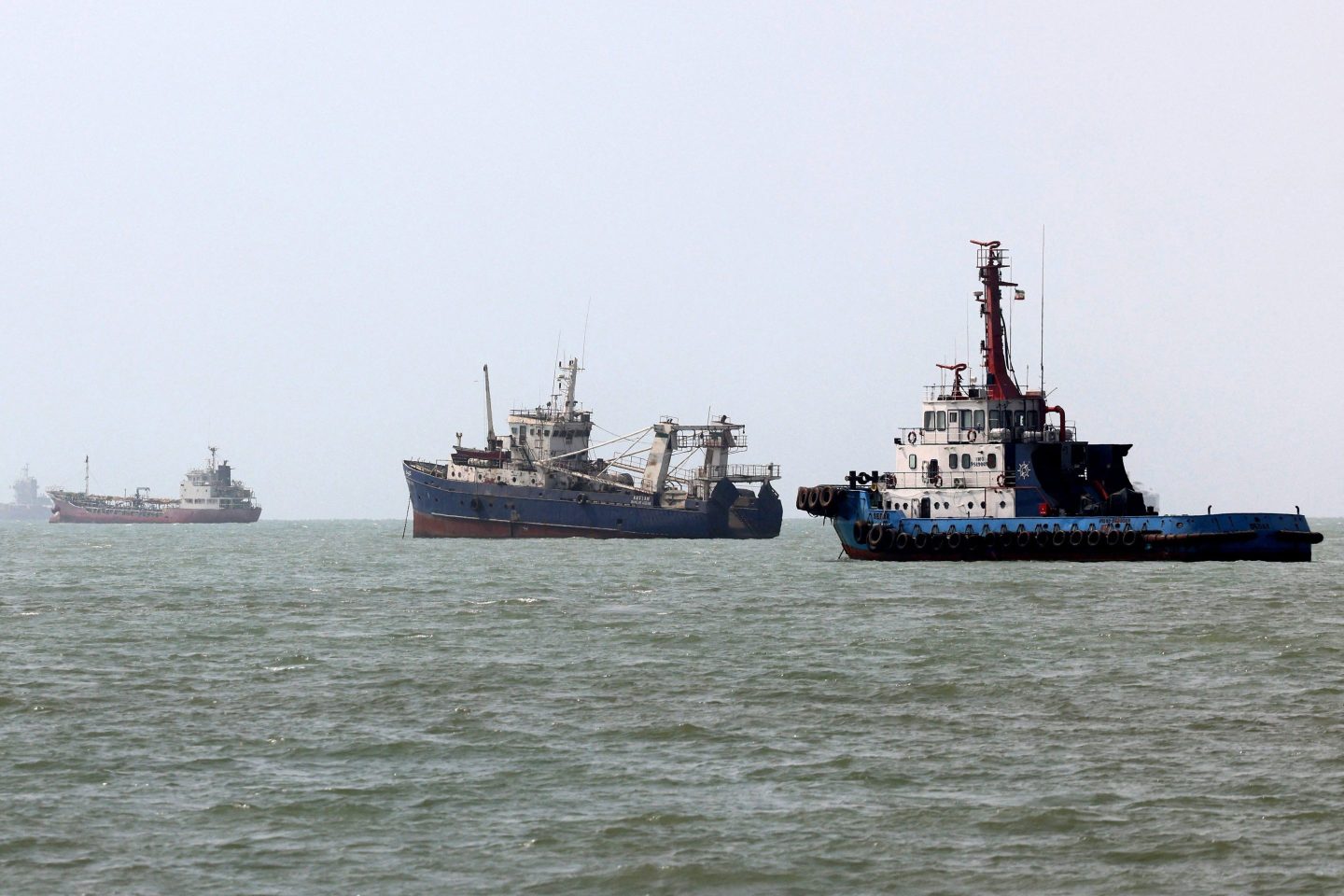
Since the start of the Iran war, producers in the Gulf have been loading crude onto smaller vessels in the Hormuz corridor, sailing them to the open sea of the Gulf of Oman, and transferring the cargo to large tankers that continue to market. The practice, described by insiders as a "dark trade", hides ship locations by turning off transponders, making it difficult for analysts to gauge exact volumes.
Sources familiar with the operations say the amount of oil moved exceeds the market's estimate of four million barrels a day, though they did not disclose precise figures. Satellite data from the European Union's Sentinel 1 system shows around 150 ships waiting for transfers, up from roughly 40 in January.
Why the covert flows matter
Before the conflict, about twenty million barrels a day passed through Hormuz, roughly one fifth of global supply. The unexpected continuation of large shipments has helped prevent the price spikes that many feared. Brent oil futures have largely stayed between $80 and $90 a barrel throughout August, far below the $150 per barrel scenarios modelled at the war's outset.
The hidden trade works alongside other relief measures, pipeline rerouting, strategic stock releases and a dip in worldwide demand, to soften the economic impact of the war on Europe and beyond.
Risks and responses
Operating under fire is not without cost. Abu Dhabi National Oil Co. (ADNOC) reports that twenty-three of its vessels have been attacked since the conflict began, resulting in one fatality and twenty injuries. The company stresses its commitment to deliver energy safely despite "unprovoked attacks" on ships and facilities.
Other Gulf exporters, including Iraq, Qatar and Kuwait, are also using the shuttle system, according to data compiled by Bloomberg, Kpler and Vortexa. Insurers note a steady flow of requests for coverage from these producers.
What lies ahead
Analysts expect the covert shipments to continue as long as the war persists and as long as regional producers can protect their fleets. Saudi Aramco has not confirmed any large-scale shuttling, but recent activity at the Ras Tanura hub and the positioning of Saudi-owned vessels off Oman suggest the kingdom may increase its output on the route.
"It is the only option right now as not all owners are willing to take the risk," said Pankaj Khanna, chief executive of Heidmar Maritime Holdings Corp., highlighting the precarious nature of the trade.
Future developments will hinge on the security situation in the Gulf, the willingness of western naval forces to intervene, and the ability of Gulf producers to maintain the hidden logistics chain. For European markets, the continuation of these covert flows will be a key factor in averting a sharp rise in energy costs.