
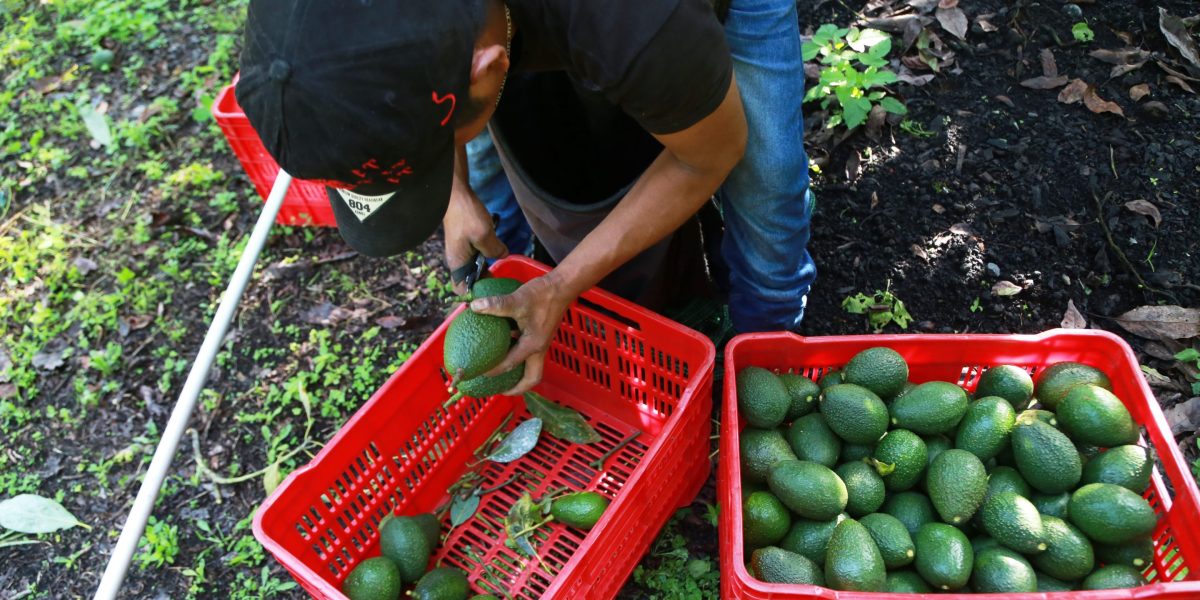
Francisco Isidro climbed back into an avocado tree on the morning the United States lifted a security alert that had frozen exports from Mexico's Michoacán region. Within minutes he was filling boxes destined for the US market, a relief echoed by workers who had endured days without wages.
Alert lifted and pickers back at work
Eight days after the alert was issued, the United States Department of Agriculture (USDA) removed the restriction, allowing packing plants to resume operations and inspectors to certify fruit for export. By the weekend orchards were active again and trucks were moving in convoys escorted by police.
"Thank God … and now we're getting paid!"
The shout from Isidro captured the mood of thousands of labourers who depend on daily pay. Valentín Rodríguez, a veteran of the avocado business, warned that the calm may be temporary.
"We'll be safe for a while, we'll see what happens next," he said.
Security concerns in Michoacán
Michoacán, Mexico's leading avocado-producing state, is also a stronghold for several criminal organisations designated as terrorist groups by the previous US administration. The alert was triggered by an unspecified threat, prompting the closure of a packing plant in Tacámbaro and leaving an estimated 200,000 workers in limbo.
Extortion is a routine cost for growers; one producer reported paying one peso per kilo exported, amounting to more than $5,000 a day. Trucks are sometimes robbed on the roads, and farmworkers have been assaulted by armed men near the border with Jalisco.
Dependence on the US market
More than 80% of Mexican avocados are sold to the United States, with daily shipments peaking ahead of events such as the Super Bowl. Certification by US inspectors is essential; without it, exports cannot proceed.
Isidro is a "certified" picker, trained to disinfect tools, handle fruit carefully and report any damage. His supervisor, Jesús Méndez, checks each box before it joins a convoy of trucks that travel under police escort to the border.
Future outlook
The deployment of over 1,500 soldiers to protect the avocado region has eased some fears, but growers like Luis Manuel Soto say threats persist. He recounted an incident where armed men forced him to abandon a complaint on extortion, leaving a funeral cross and a warning message.
"They left me a funeral cross and … a written message saying I had only days left," Soto said.
Local residents appreciate the military presence for the security it brings, yet they remain wary of potential clashes with criminal groups. The industry's future will hinge on whether the heightened security can sustain a stable environment for workers and whether the United States maintains its certification regime.