
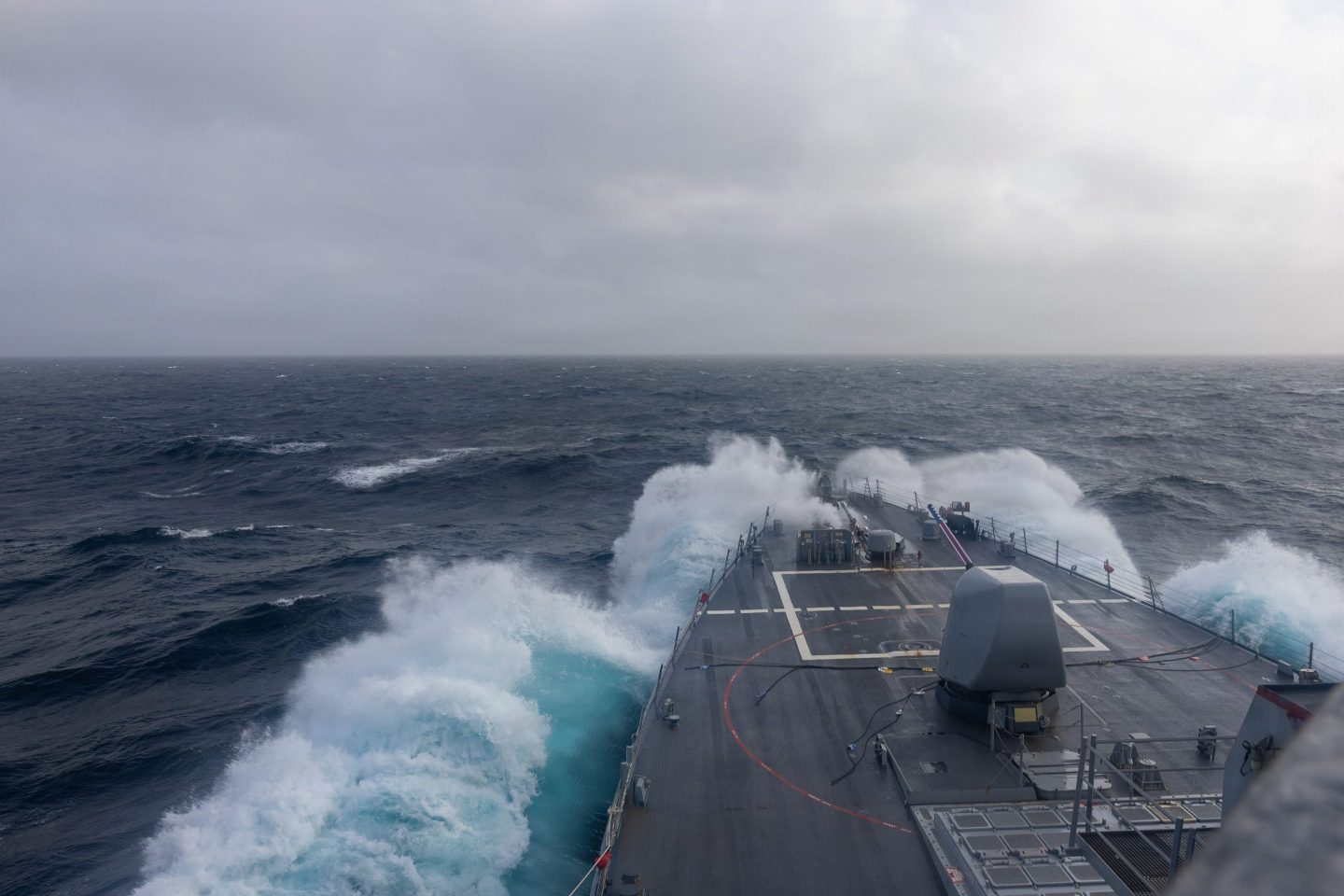
Iran finds its crude supplies trapped as the United States maintains a naval blockade of the Strait of Hormuz. At the same time, rival Gulf states, including Iraq, Qatar, Kuwait and the Saudi Arabia, are preparing to lift their own export volumes, creating a volatile mix of constrained supply and rising competition.
Oil still moves through the strait
Despite Tehran's claims that the waterway is completely closed, satellite data and ship-to-ship transfer reports show that significant volumes continue to flow. The Trump administration estimated that between eight and nine million barrels a day are moved via the "dark fleet", while independent analysts put the figure closer to seven million barrels. This is far below the pre-war level of twenty million barrels, but when combined with pipeline exports the total reaches roughly half that amount, buying global markets a temporary reprieve.
US blockade strains Iranian economy
The US re-imposed a naval blockade that blocks both Iranian crude exports and the import of essential goods. Iranian officials warn that the restriction could cripple an economy already weakened by conflict. Majidreza Hariri, head of the Iran-China Joint Chamber of Commerce, said the blockade will cause more damage than an outright war.
We must do whatever it takes to end the blockade, whether through negotiation, supplication, threats, or even war.
Hariri added that the United States must understand the potential consequences of its actions.
Risk of renewed hostilities
Iran has reorganised its military and introduced missiles designed to evade air defences, increasing the vulnerability of US and allied assets in the region. Meanwhile, the US Navy's interceptor stockpile is reportedly low, a factor that influenced President Trump's decision to avoid a major escalation.
Logistical strains are evident on US carriers such as the USS Abraham Lincoln, which faces supply and crew-wellbeing challenges after an extended deployment. A second carrier is on its way, but similar issues are expected across the blockade fleet.
Eric Brewer, a former US intelligence official, warned that the blockade will worsen Iran's economic plight and that Tehran is unlikely to remain passive.
Iran has proven to have a higher pain tolerance than the United States. I have seen nothing to suggest that's changed.
What comes next?
Analysts say the current equilibrium is fragile. If Iran escalates its missile programme or if Gulf exporters significantly increase shipments, oil markets could experience sharper price swings. The US may face pressure to either intensify the blockade or seek a diplomatic resolution, while Tehran is likely to explore all options to break the chokehold on its oil revenue.