
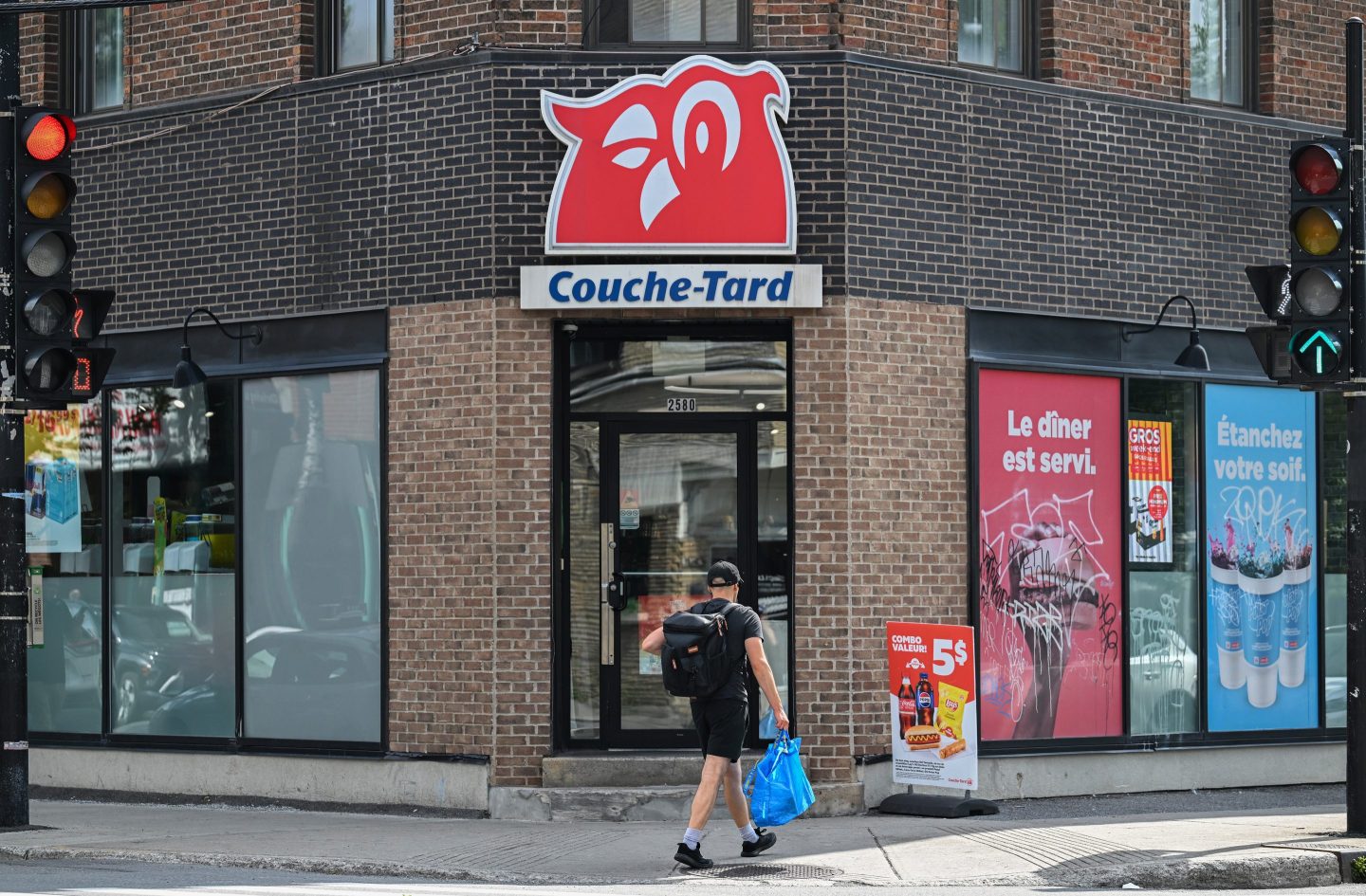
Shares of the three largest convenience-store operators, Alimentation Couche-Tard, Casey's General Stores and Murphy USA, have risen sharply in 2024, each gaining at least 24 per cent. Casey's leads the pack with a gain of more than 54 per cent, putting it on track for its best annual performance in 35 years.
Why investors are turning to convenience stores
The rally reflects a broader shift toward defensive assets as market participants grow uneasy about the durability of the artificial-intelligence boom and the fallout from the United States' strike on Iran in February. The conflict has disrupted oil supplies through the Strait of Hormuz, sending fuel prices into a volatile swing.
"Gas prices moving up and down and being very volatile is a benefit just because the convenience store has to keep prices fairly elevated but they can be more opportunistic on when they buy," said Phillip Blee of William Blair. Higher fuel margins have directly boosted earnings for large chains such as Couche-Tard, whose Canadian shares are up 22 per cent this year.
New capital flows and IPO activity
Analysts note that public-market appetite for convenience-store exposure now extends beyond the established names. Jacob Aiken-Phillips of Melius Research highlighted the oversubscribed April IPO of Yesway Inc., which has risen 22 per cent since debut. Meanwhile, Charlotte-based Cumberland Farms has filed for a U.S. IPO that could value the business at around $9 billion.
The Roundhill HALO ETF, which targets high-asset, low-obsolescence stocks as a hedge against AI risk, recently added a stake in Casey's, marking its first convenience-store investment. "As investors look for growth opportunities away from tech, we think that a company like Casey's is a great expression of that," said Dave Mazza, chief executive of Roundhill Financial.
Growth strategies behind the surge
Casey's, known for its pizza and strong presence in towns under 20,000 residents across 19 states, has launched a three-year plan to expand its chicken-wing offering and open at least 400 new stores, many in Texas and the broader South. "The cash flows that they earn are coming from essential daily demand for things like fuel and food and other staples," Mazza added.
Murphy USA is also benefiting from higher-margin products such as nicotine pouches and a resurgence in cigarette sales, which the company cited as key drivers for its second-half growth. Its shares have climbed nearly 40 per cent this year.
Risks and the road ahead
Analysts warn that the sector could face headwinds if oil prices stabilise and geopolitical tension eases. Mindy West, chief executive of Murphy USA, described the company's 2026 guidance as deliberately conservative, noting the difficulty of forecasting retail margins amid ongoing volatility.
RBC analyst Irene Nattel expects investors to focus on same-store sales and the sustainability of fuel margins once the crisis subsides. Both Couche-Tard and Casey's are due to report earnings next month, and the consensus view is that growth may slow in 2025, with some firms potentially seeing lower EBITDA despite the higher profit floor set this year.