
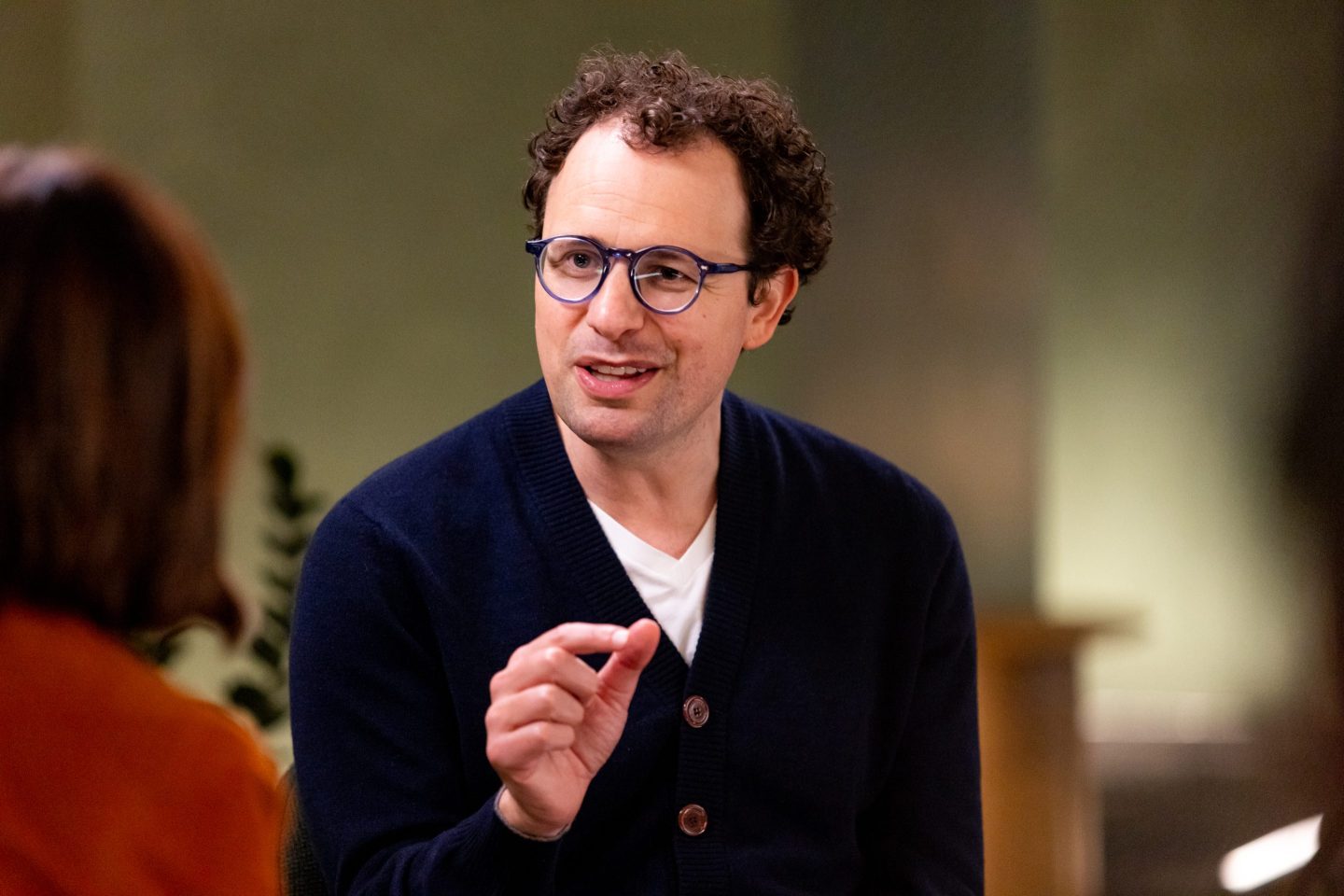
Dario Amodei of Anthropic has taken to X to counter claims that his firm is using AI safety regulation as a tool to stifle competition. The debate was sparked after investor Gavin Baker described Anthropic's vision as "maximalist", suggesting the company and the US government would decide who could access powerful AI models. Former Trump AI adviser David Sacks labelled that view "hubristic" and warned that Anthropic was pursuing "regulatory capture".
What happened?
During a recent episode of the "All In" podcast, Baker relayed that he had heard from trusted contacts that Amodei believed Anthropic might become the only private AI company capable of developing frontier models. Sacks responded on X, likening the idea of a dedicated AI regulator to a "DMV for AI", arguing it would create bottlenecks and give the United States a competitive disadvantage against China.
Anthropic's chief brand and communications officer Sasha de Marigny dismissed Baker's interpretation as "complete and utter nonsense". Amodei himself posted a longer reply, saying that both libertarian-leaning critics and those who see regulation solely as a way to curb corporate power oversimplify the issue. He stressed that regulation's impact depends on its specific design.
"I think by far the most accurate criticism of AI companies including Anthropic is that we haven't yet delivered on our big promises to benefit the world," Amodei wrote.
Amodei added that Anthropic tries to propose rules that may slow the biggest frontier-AI firms while helping smaller competitors, noting that many suggested regulations contain revenue-based exemptions or apply only to cutting-edge models.
Why does it matter?
The discussion touches on a core tension in the fast-moving AI sector: how to balance safety concerns with the risk of entrenching a few dominant players. If regulations are drafted in a way that only large, well-funded firms can meet compliance costs, smaller startups and open-source projects could be pushed out, potentially slowing innovation. At the same time, unchecked development of powerful models raises national-security and ethical questions that governments are keen to address.
Europe is already navigating this terrain through the EU AI Act, which seeks to impose safety obligations on high-risk AI systems while aiming to keep the market open. The outcome of the US debate could influence how European policymakers shape their own rules, especially as they watch the United States grapple with the balance between security and competition.
What happens next?
Anthropic is preparing for a possible initial public offering later this year, with Bloomberg reporting a projected annual revenue run-rate of $65 billion. The company's financial trajectory will keep its regulatory stance under scrutiny from investors and policymakers alike.
In the United States, the conversation is likely to continue on social media and in congressional hearings, where lawmakers will weigh testimony from AI leaders, including Amodei, against concerns raised by figures like Sacks. Meanwhile, the European Commission may monitor the US debate as it finalises the AI Act, potentially adjusting its own approach to ensure that safety standards do not inadvertently cement market concentration.
For the broader AI ecosystem, the key challenge remains delivering on promised societal benefits, such as advances in healthcare or climate modelling, while building public trust. As Amodei noted, the industry's credibility will hinge less on marketing spin and more on demonstrable outcomes.