
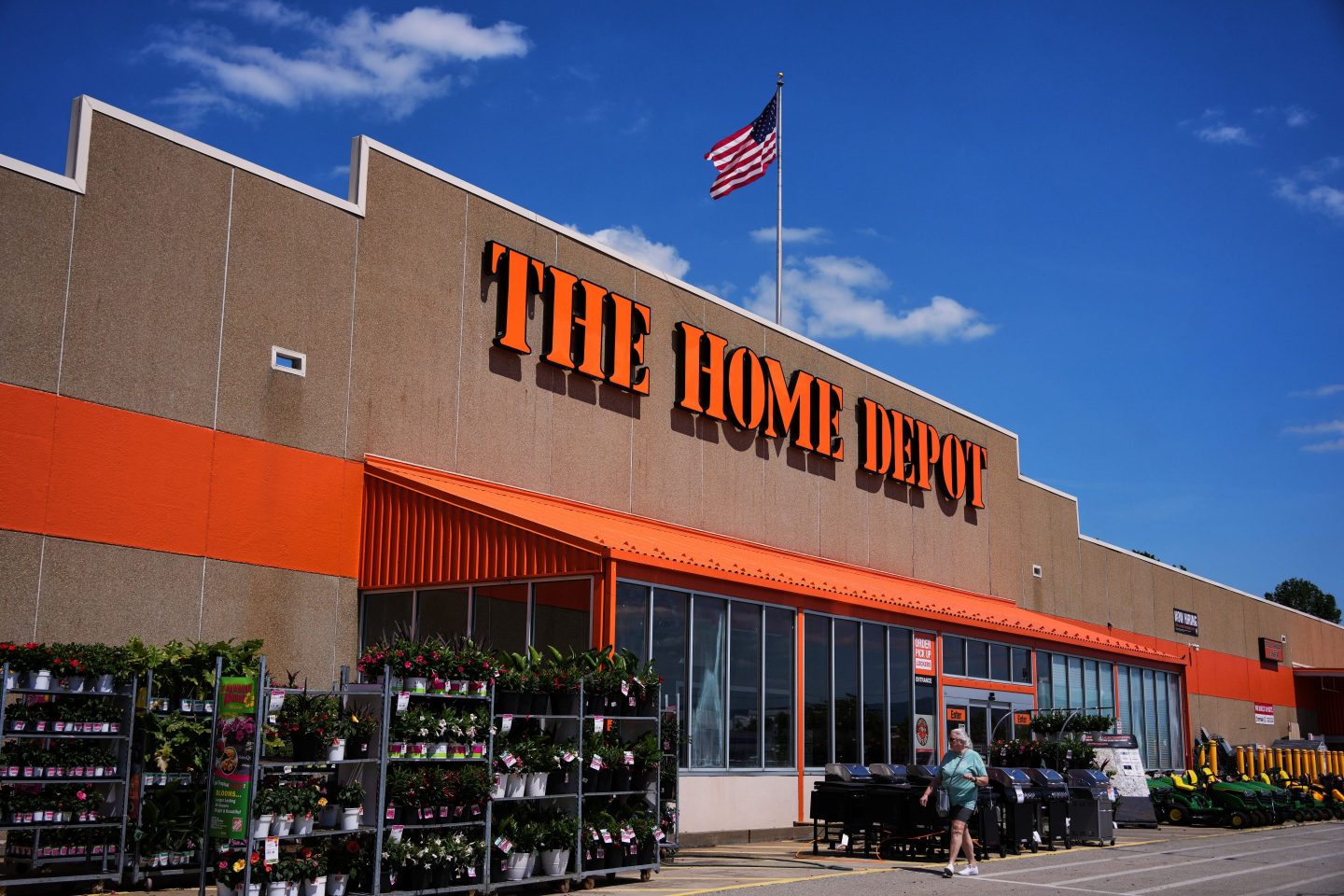
Home Depot announced a rise in second-quarter revenue to $47.86 billion, surpassing analysts' expectations of $47.24 billion. The boost came despite a modest 1 percent dip in customer transactions, as shoppers spent more per visit.
What drove the sales lift?
Average receipt size grew to $92.50, up from $90.01 a year earlier, reflecting a shift toward smaller home-improvement projects. Richard McPhail, the retailer's chief financial officer, said the company saw "broad based demand across the business as customers continued to engage in smaller projects".
Why the trend matters for the US housing market
Analyst Neil Saunders of GlobalData noted that the number of modest projects rose by 1.5 percent year-on-year, a modest but positive change after previous declines. In contrast, larger-ticket renovations fell 2.1 percent, a sign that higher borrowing costs are curbing more ambitious spending.
Mortgage rates have climbed from the ultra-low levels of the early 2020s to around 8 percent, making home-equity loans considerably more expensive. Although long-term rates fell slightly for the first time in six weeks, they remain above last year's levels, keeping many homeowners from undertaking major upgrades.
The broader US housing market has been sluggish since 2022, when rates began rising. The National Association of Realtors reported a 1.7 percent drop in existing-home sales in July and a 2 percent year-on-year increase in median sales price to $434,100, underscoring affordability pressures.
What comes next for Home Depot?
For the three months ending 2 August, the retailer earned $4.77 billion, or $4.79 per share, beating Wall Street forecasts. Adjusted earnings were $4.92 per share, above the expected $4.73.
Home Depot also launched a nationwide express-delivery service that promises delivery within three hours for a modest flat fee, without requiring a subscription.
Looking ahead, the company maintained its fiscal-2026 sales-growth guidance of 2.5 percent to 4.5 percent and expects comparable-store sales to be flat to up 2 percent. It anticipates tariff refunds will help offset higher fuel, energy and input costs throughout the year.
The stock rose 2 percent in pre-market trading, reflecting investor confidence in the retailer's ability to navigate a challenging housing environment.