
Donald Trump told supporters on social media that the United States had secured the biggest oil deal in history, granting a 55% effective output stake in a new company that will develop Venezuela's untapped oil fields. The announcement, made on Friday night, follows a January raid in which US forces captured former Venezuelan president Nicolás Maduro and brought him to New York for drug-trafficking charges.
What the agreement entails
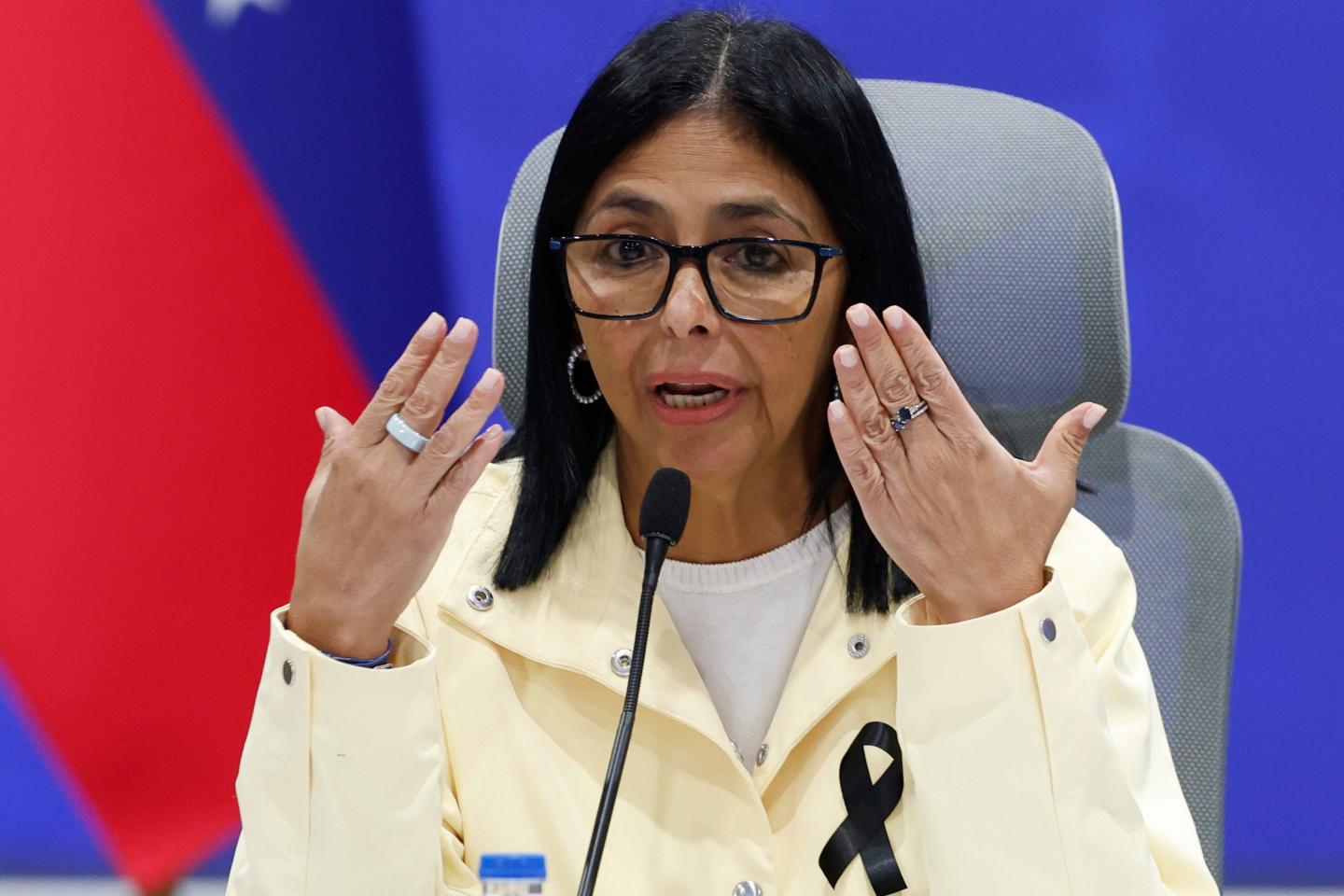
According to a televised address by Venezuela's acting president Delcy Rodríguez, the deal creates a joint venture between the US government and an unnamed private operator. The venture will control 17 oil fields with a claimed potential of 65 billion barrels. The partnership is said to be able to attract up to $100 billion in investment and generate more than $209 billion in taxes for Caracas.
US officials, who declined to be named, said the United States will receive 55% of the company's effective output, including an ownership share and the right to purchase oil at cost for the strategic petroleum reserve and the military. If the figures are correct, the new entity would become the second-largest holder of proven reserves after Saudi Aramco.
Why the deal matters
The announcement comes as President Trump seeks to lower domestic fuel prices ahead of the US election. He argues that access to Venezuelan crude will ease the impact of the ongoing conflict with Iran, which has disrupted Persian Gulf shipments. However, experts warn that Venezuela's ageing infrastructure will require years and billions of dollars to restore, meaning any boost to production is unlikely to be immediate.
Energy analyst Amy Myers Jaffe of New York University said the arrangement could be "helpful in the long run, but it will not change the price of gasoline at the pump this year." Current US gasoline prices sit around $4.08 per gallon, up from $3.20 a year ago.
Venezuelan reaction
Many citizens see the deal as a betrayal of national sovereignty. Market-goer Douglas Borjas told reporters, "I think they're doing it to cling to power," accusing the government of trading the country's wealth for political survival.
Harvard professor Ricardo Hausmann, a former Venezuelan planning minister, called the agreement "shameful" and questioned Rodríguez's constitutional authority to bind the nation.
Rodríguez defended the pact, insisting that Venezuela retains ownership of its resources and that the goal is to become a global energy powerhouse, potentially partnering with firms such as Chevron, Repsol and Shell.
US political response
Republican senators praised the deal as a historic win, while Democrats condemned it as corruption. Senator Bernie Moreno (R-OH) argued the agreement prevents Venezuelan oil from falling to China, whereas Senator Tim Kaine (D-VA) called it "corruption at epic scale." Senator Chris Van Hollen (D-MD) warned that the move puts US service members at risk.
Unanswered questions
Key details remain undisclosed, including the identity of the private operator, the exact split between ownership and cost-price rights, and who will fund the massive infrastructure upgrades required. Major US oil companies have not confirmed participation, and Chevron, the only US firm currently active in Venezuela, declined to comment.
Economist David Oxley of Capital Economics noted that, on paper, the deal could double US strategic reserves and reduce reliance on Canadian and Mexican crude, but cautioned that logistical hurdles and the true size of Venezuela's reserves remain uncertain.
In the coming weeks, the US Congress may weigh in, and the private sector will decide whether the promised investment materialises. Until the missing details are clarified, the impact on global oil markets and Venezuelan politics will remain speculative.