
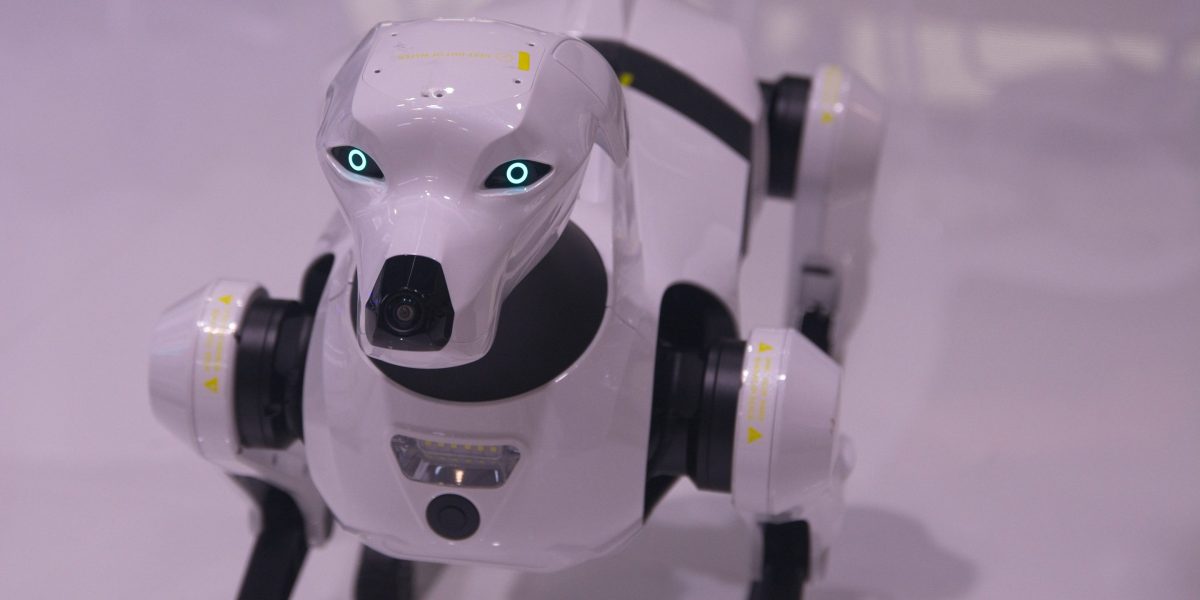
U.S. Immigration and Customs Enforcement (ICE) announced on Friday that it is assessing the acquisition of "quadruped unmanned ground vehicles", commonly referred to as robotic dogs. The agency posted a market-research notice outlining specifications for the devices and indicating a potential spend of at least $2 million.
What happened?
ICE's notice, posted on its official website, signals interest in deploying these autonomous machines as part of a broader push to modernise its enforcement toolkit. The agency is also considering other high-tech equipment, including electric-shock gloves that can deliver a disabling jolt when applied to a person's skin.
Why does it matter?
The move arrives as civil-rights groups warn that increased funding for ICE could intensify the agency's already aggressive deportation efforts under former President Donald Trump. Critics argue that robotic dogs, which have been used by militaries and police forces elsewhere, could lower the threshold for force and raise privacy and accountability concerns.
Robot dogs such as the Boston Dynamics Spot model can navigate difficult terrain, carry payloads and operate with limited human supervision. Their deployment in a civilian immigration context would be a novel application, prompting debate over the appropriate limits of technology in law-enforcement.
What happens next?
ICE's market-research posting makes clear that there is no guarantee a contract will be awarded. The agency will likely evaluate vendor proposals before deciding whether to move forward with a purchase. Meanwhile, the Department of Homeland Security has not responded to requests for comment, leaving the timeline and ultimate scope of any deployment uncertain.
Stakeholders, including civil-liberties organisations and congressional oversight bodies, are expected to monitor the process closely, potentially seeking legislative or regulatory safeguards should the technology be adopted.