
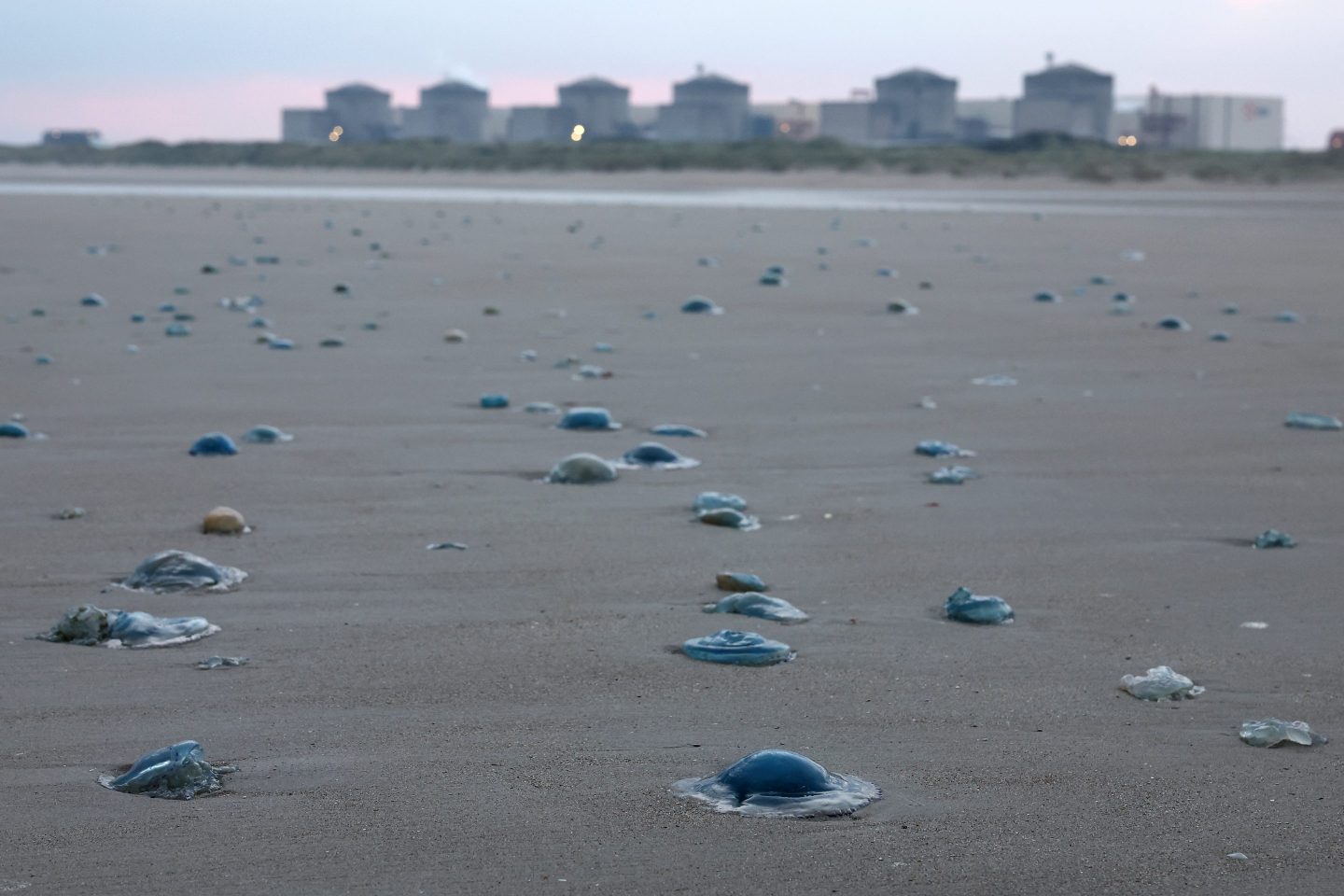
Electricité de France (EDF) reported on Monday that a sudden surge of jellyfish in the North Sea forced the shutdown of three reactors at its Gravelines nuclear power station and a reduction in output at a fourth unit. The incident removed roughly 3.2 gigawatts of generating capacity at a time when temperatures across France are expected to approach 40 °C.
What caused the shutdown?
The coastal plant relies on seawater drawn in through large intake pumps for cooling. When marine temperatures rise, jellyfish populations can bloom and clog the filters that protect the turbines. EDF said the influx was "massive" and that the affected reactors were taken offline as a precaution.
Why does it matter?
France generates about 70 % of its electricity from nuclear power, and Gravelines is the country's largest coastal nuclear site, supplying roughly 8 % of national output. The loss of 3.2 GW comes at a moment when heat waves are driving up electricity demand for air-conditioning and when other EDF sites on rivers are also constrained by warm water that cannot be used for cooling without harming ecosystems.
What happens next?
EDF plans to bring two of the affected reactors back online by Wednesday night, while the remaining two, together providing 1.8 GW, may stay offline until the end of the week, according to regulatory filings. The company is monitoring marine conditions closely and will assess whether further shutdowns are needed as the heat wave persists.
Last summer, Gravelines experienced a similar problem when jellyfish clogged filter drums, highlighting the growing vulnerability of coastal nuclear facilities to climate-driven marine events.