
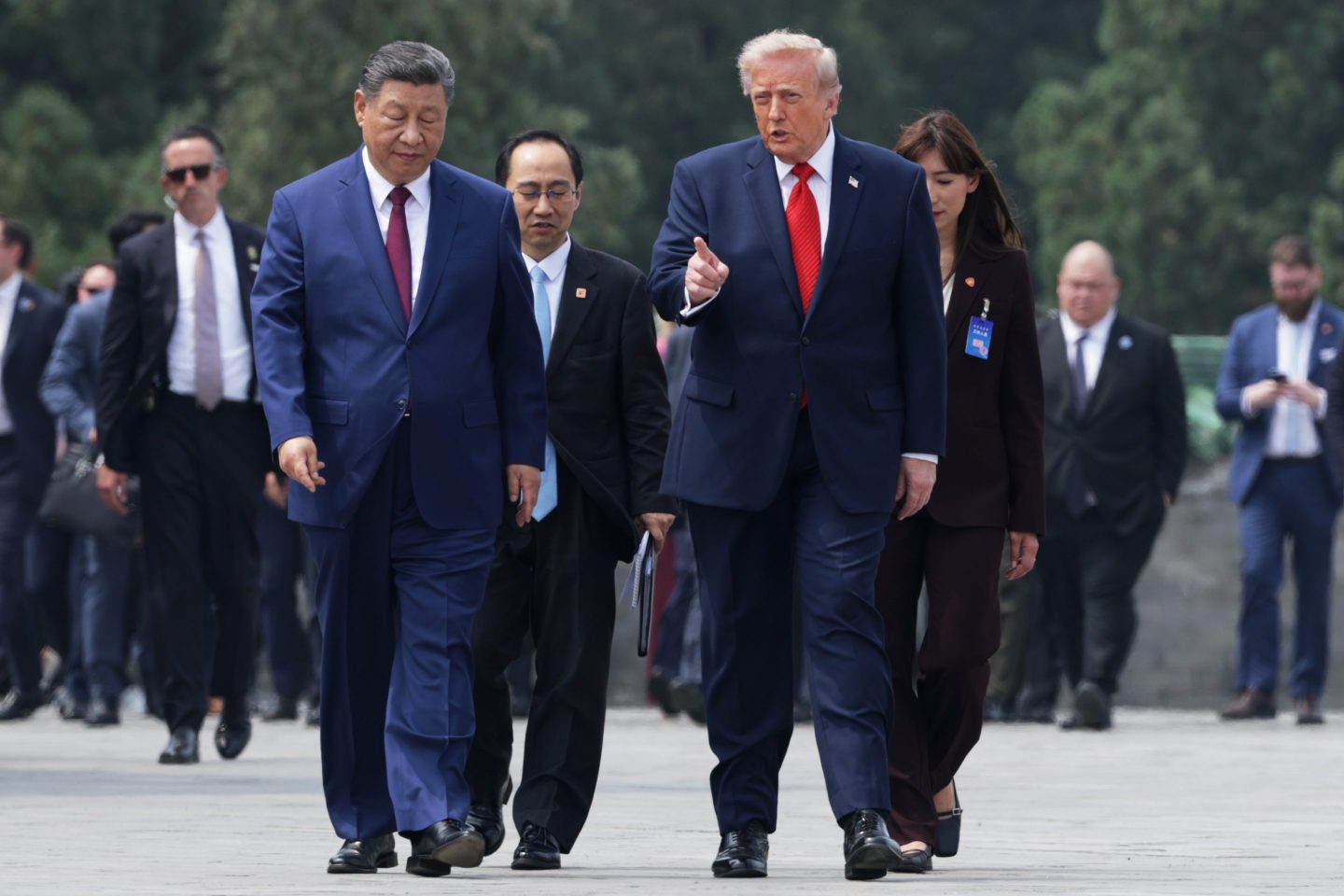
The US State Department is drafting a letter to the 35 signatories of its AI Opportunity Statement, telling them they must decide between Washington's emerging Pax Silica coalition and the rival framework promoted by Beijing. The draft, reported by Reuters, says countries that try to hedge will be excluded from the US-led group.
Why the ultimatum matters
Washington argues that trying to belong to both camps means belonging to none, a stance designed to curb China's ability to acquire the chips, AI models and critical minerals it needs to compete. The move comes as Chinese firms, notably Alibaba, see their open-source models gain unprecedented traction worldwide.
Alibaba's Qwen models eclipse rivals
According to a recent Hugging Face report, Alibaba's open-weight Qwen models have been downloaded more than 3 billion times in six months, dwarfing Meta's 227 million and Google's 418 million downloads. The surge reflects a broader trend where Chinese open-source AI is winning developer mindshare even as the US tightens export controls on chips and debates AI export regulations.
Industry leaders confront a trust crisis
Dario Amodei, chief executive of Anthropic, used his X account on Saturday to push back against criticism that he alone is responsible for public anxiety over AI. He framed the backlash as a wider "crisis of trust" in institutions and the tech sector. In a lengthy post he wrote:
Only real-world results, not marketing campaigns, will fix the trust issue.
Amodei pointed to Anthropic's work in biology and medicine as evidence that the company is aiming to deliver tangible benefits, such as cancer research, rather than merely making promises.
Other notable tech developments
- Anthropic's upcoming IPO is said to depend on meeting a $190-200 billion revenue target for 2028, according to Reuters.
- Nvidia disclosed stakes of nearly $21 billion in SpaceX and $30 billion in Intel as of 30 June.
- Geoffrey Hinton warned that wealthy tech firms could use AI to replace workers, creating massive unemployment and soaring profits for a few.
- Amazon reinstated an arbitration clause in its user agreement to curb shopper class-action lawsuits.
- Stripe agreed to acquire AI model-routing startup OpenRouter for over $7 billion, roughly five times its last private valuation.
- Anthropic detailed new invisible watermarks for its Claude model to comply with the EU AI Act.
The US push for a clear split in the AI arena, the rise of Chinese open-source models and the industry's struggle with public trust all point to a rapidly evolving landscape where policy, technology and market dynamics intersect.