
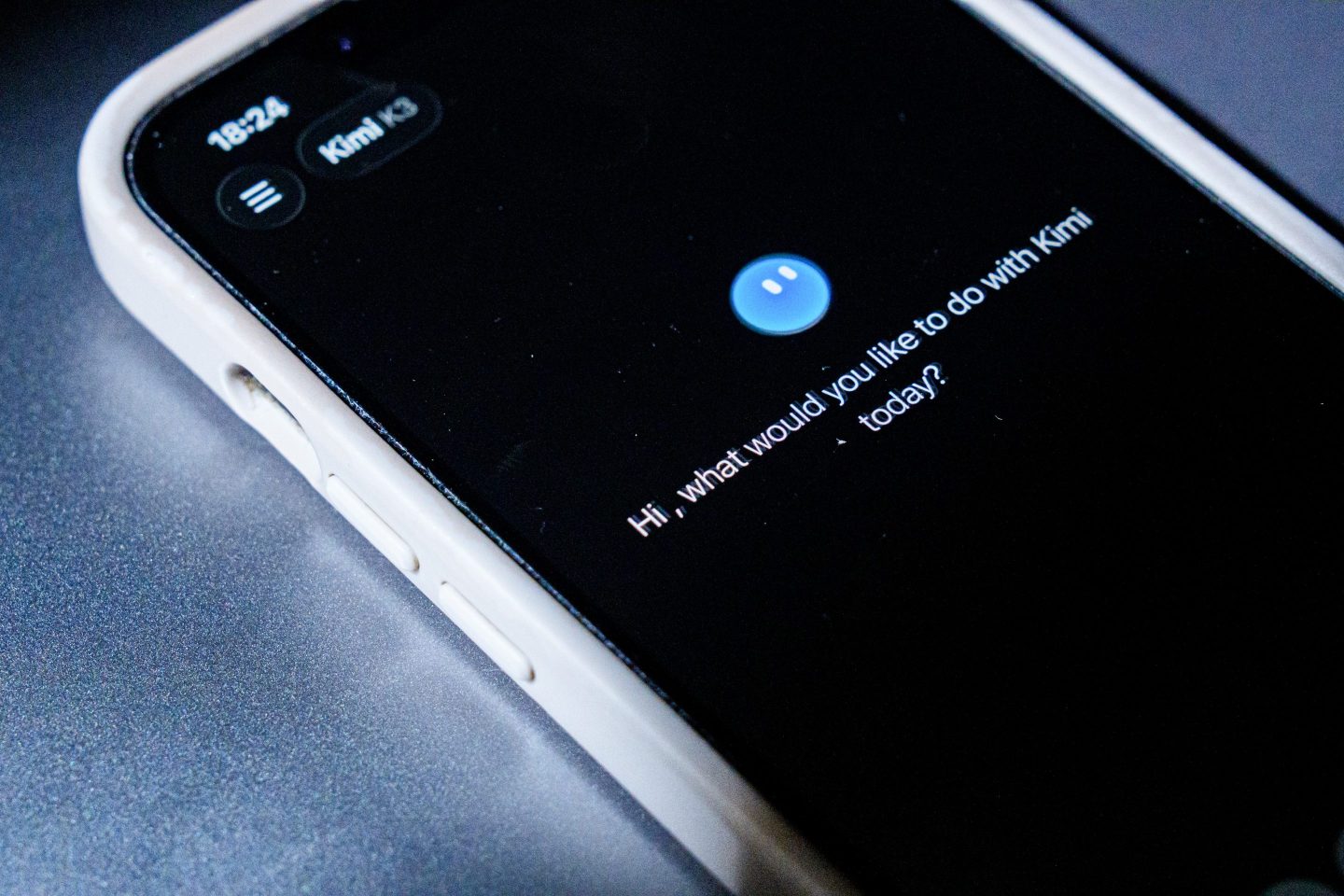
Researchers at the Munich-based global economic research network CESifo have published a working paper that challenges the idea that artificial-intelligence chatbots can ease the growing loneliness epidemic. Over a four-week period, more than 12,000 French adults were split into two groups; one half engaged in daily personal conversations with AI chatbots, while the other continued their usual routines.
The experiment and its results
Participants who typed their personal narratives to chatbots reported that the interactions felt enjoyable and even more pleasant than the conversations of the control group. However, the same participants also indicated a rise in self-reported loneliness, a drop in overall life satisfaction and an increase in depressive affect. They ate more meals alone and spent less time face-to-face with friends and family each week.
"I would imagine that in some cases an AI conversation may reinforce grievances or prolong rumination, leaving someone slightly less inclined to go out, call somebody, or have dinner with another person," said Louis Fréget, one of the study's authors.
Why the findings matter
The results arrive at a time when tech leaders have promoted chatbots as a remedy for social isolation. Meta chief Mark Zuckerberg has argued that many people crave more social connection and that AI could fill the gap, while a KPMG survey suggested that almost all professionals would welcome a chatbot that could act as a close workplace friend.
Behavioural scientist Nicholas Epley of the University of Chicago notes that an AI interface cannot provide the sense of being known that a human conversation offers, which may explain why the pleasantness of chatbot talks does not translate into genuine connection.
What comes next?
The study adds to a small but growing body of evidence that AI may exacerbate, rather than alleviate, loneliness. A pilot programme in New York that paired older adults with a chatbot reported a short-term decline in loneliness, yet bioethicist Nancy Berlinger cautions that such tools cannot replace the richness of in-person relationships.
Future research will need to explore how to design AI interactions that support, rather than substitute, human contact. Policymakers and technology firms may also have to consider guidelines that prevent over-reliance on chatbots for emotional support, especially as the World Health Organization and former U.S. Surgeon General Vivek Murthy continue to label loneliness a public-health crisis.
For now, the CESifo findings suggest that while a chatbot can provide a momentary feeling of being heard, it may also leave users feeling more isolated in the long run.