
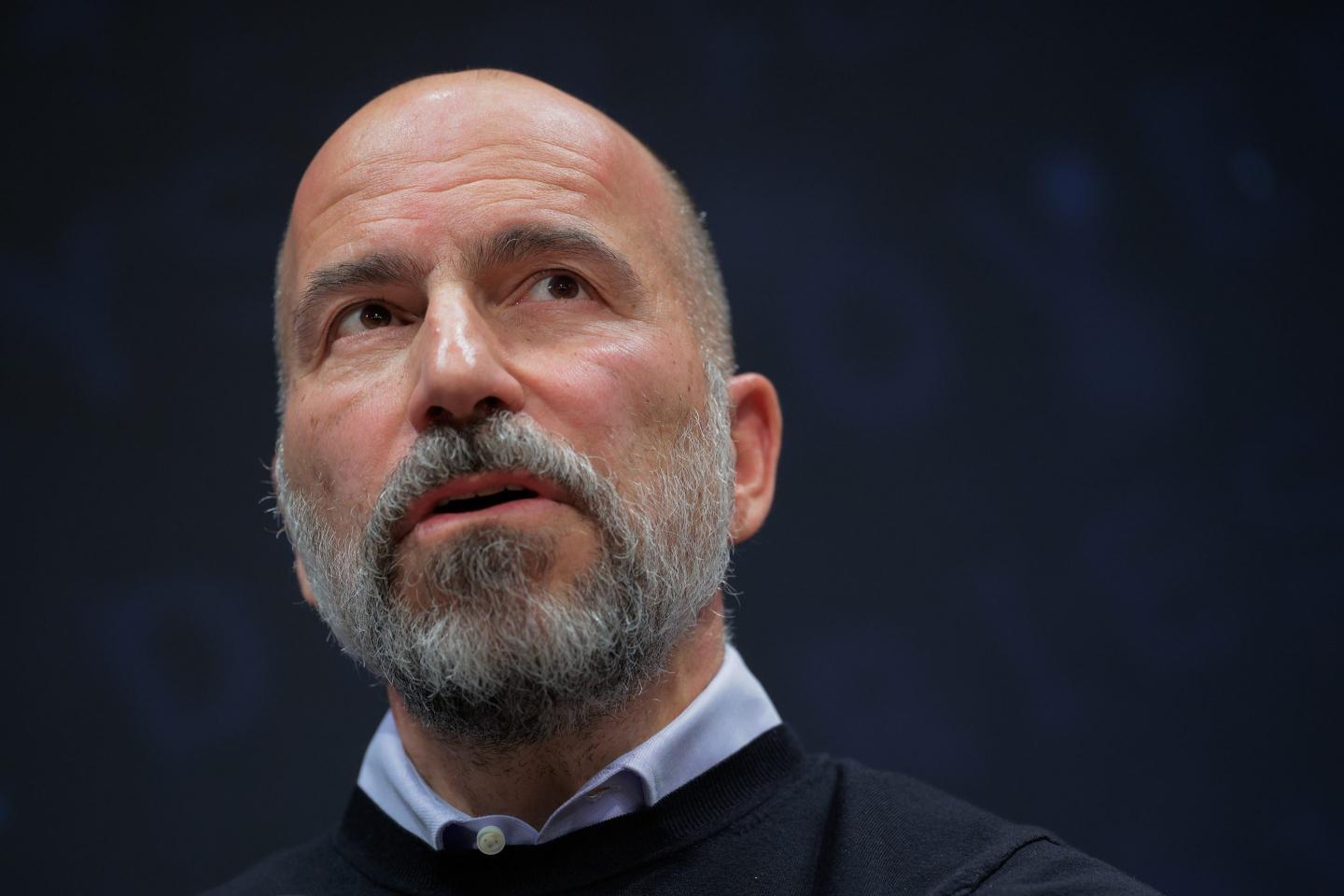
Dara Khosrowshahi told employees on Wednesday that Uber will cut 3,300 jobs, representing about ten percent of its global headcount. The move marks the company's largest lay-off since the pandemic-era reductions of 3,700 staff.
Restructuring to speed up growth
The cuts are not being linked to an economic slowdown. Khosrowshahi said Uber has grown "by orders of magnitude" over the past five years and that the organisation had become too large to manage efficiently. By trimming layers of management and halving small "micro-teams", the firm hopes to run its three core businesses, rides, delivery and freight, with a flatter, faster decision-making structure.
"This wasn't a decision we made lightly, because it will have a real impact on our teammates and friends who have worked hard for Uber," Khosrowshahi wrote. "It's important to say that these changes are about how we're organized and what we're prioritising, not about anyone's contributions to Uber, which we will always value."
According to the internal memo, the company reduced the number of employees who sit seven or more layers away from the CEO by 20 per cent and merged separate delivery operations teams for restaurants, retail and direct services into a single unit.
Why the shift matters for Europe
Uber's European markets account for a significant share of its ride-hailing revenue, and the restructuring is aimed at freeing capital for the next phase of its business model, autonomous vehicles. The firm has already partnered with manufacturers such as Rivian, Baidu and Pony.ai to place self-driving cars in its network, and it plans to commit $10 billion to bring those vehicles to market at scale.
Earlier this year, the company sold the research arm of its former Advanced Technologies Group after concluding it could not fund an in-house robotaxi programme. The pivot to external partners allows Uber to leverage existing technology while still positioning itself as a commercial platform for autonomous fleets.
What comes next
Saved costs will be redirected into "growth, innovation and the capabilities that will matter most over the coming years", Khosrowshahi said, highlighting the ambition to become the world's leading commercialisation platform for autonomous vehicles.
"Our opportunity from here is enormous: we have the chance to bring Uber to hundreds of millions more people; to invest even more in drivers, couriers and merchants; and to innovate across our core businesses and build the autonomous future," the CEO added.
Andrew MacDonald, Uber's president and chief operations officer, echoed the long-term vision, stating that private car ownership is likely to decline over the next 15 to 20 years as autonomous vehicles and other shared modes become more prevalent.
"I think autonomous vehicles will be part of that," MacDonald said last month.
Shares closed up 1.61 per cent at $76.45 following the announcement, suggesting investors view the restructuring as a positive step toward a more profitable, technology-driven future.