
Brent crude surged to $92 a barrel on Tuesday, a move that lifted the U.S. benchmark crude to $87.67. The rally in energy prices coincided with a sharp rise in U.S. Treasury yields, pushing the 10-year yield to 4.79%, the highest level since January 2025, and the two-year yield to 4.35%.
Rising oil and bond yields
The climb in oil prices reflects renewed geopolitical tension after the United States attacked rocket launchers on an Iranian island and the United Arab Emirates intercepted an Iranian drone. The Strait of Hormuz, a key conduit for roughly 20% of global oil shipments, has seen reduced traffic, adding to supply concerns.
At the same time, the U.S. Treasury market is experiencing a heavy sell-off. The 10-year yield's jump to 4.79% follows a rise from 4.73% on Friday, while the two-year yield's increase to 4.35% marks a significant climb from about 3.50% at the start of 2026.
Impact on global markets
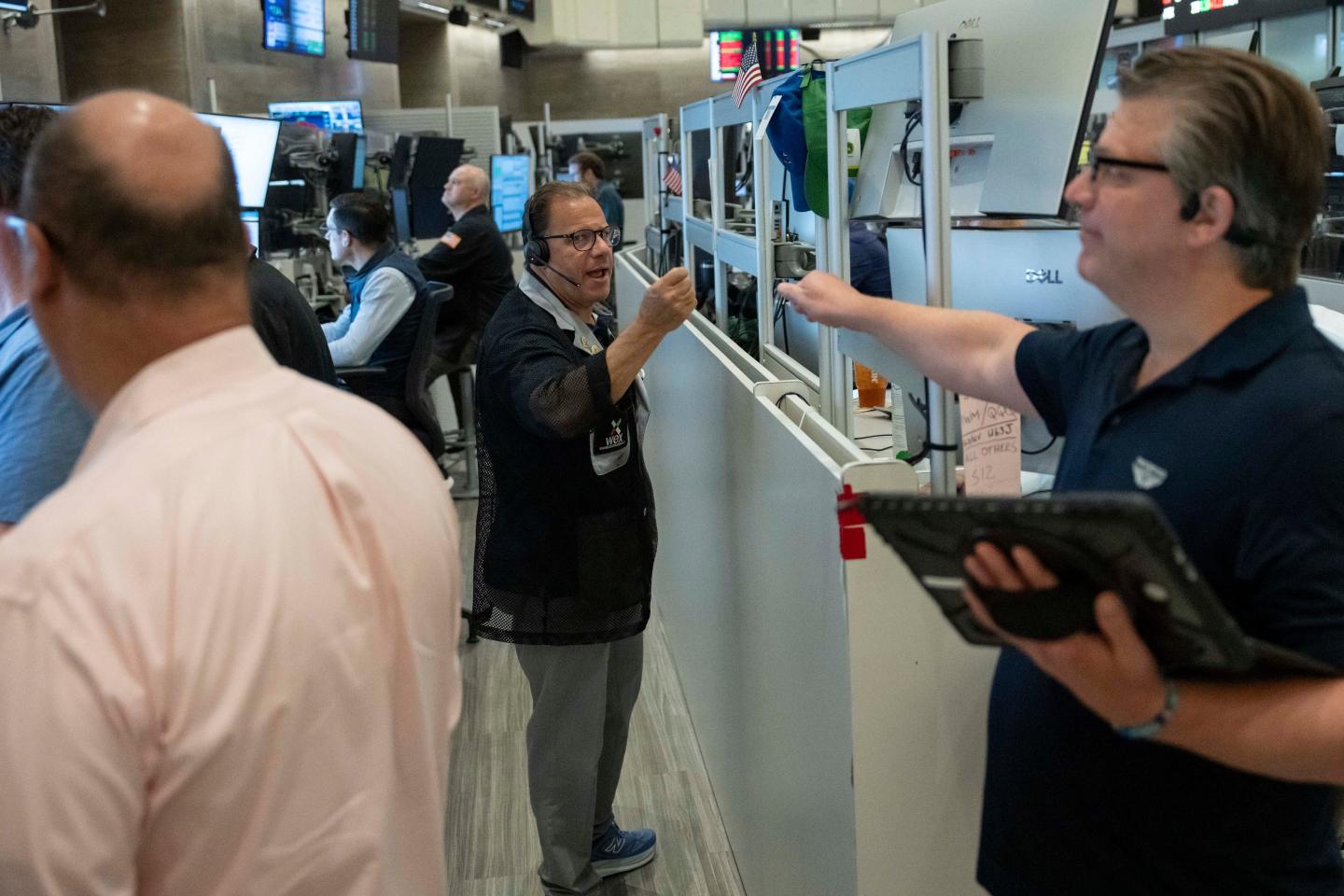
Equity markets reacted swiftly. In New York, the S&P 500 fell 0.7%, the Dow Jones Industrial Average slipped 0.6% (down 299 points), and the Nasdaq Composite dropped 1.4%. Futures mirrored the decline, with the S&P 500 futures down 0.6% and Nasdaq futures down 1%.
European bourses were also pressured. Germany's DAX lost 1%, France's CAC 40 fell 0.4%, and Britain's FTSE 100 slipped 1%. In Asia, markets were mixed, though the fast-fashion retailer Shein saw its shares tumble up to 10% after debuting on the Hong Kong exchange.
Why it matters
Higher energy costs are feeding inflation that remains well above the Federal Reserve's 2% target. The U.S. consumer price index has been buoyed by gasoline prices that topped $4 per gallon throughout August, a record for the month according to the American Automobile Association.
Fed Governor Kevin Warsh recently hinted that a rate hike could be on the table if inflation does not ease, adding to market uncertainty ahead of the Fed's policy meeting later this week. The upcoming U.S. CPI report and the monthly jobs data, which showed a low unemployment rate of 4.1% but a stalled hiring pace, are likely to shape the central bank's decision.
What happens next?
Analysts expect the bond market to remain volatile as investors gauge the Fed's next move. A further rise in yields could pressure borrowing costs for governments and corporations, especially in Europe where the German 10-year yield has reached a 15-year high of 3% and Japan's 10-year yield touched 3% for the first time since 1996.
Oil traders will watch developments in the Strait of Hormuz closely; any escalation could keep crude prices elevated, reinforcing inflationary pressures. Market participants will also monitor the U.S. CPI and employment reports for clues on whether the Fed will tighten policy or pause.
In the meantime, equity investors are likely to stay cautious, with sectors sensitive to interest rates and energy costs, such as technology and consumer discretionary, under particular scrutiny.