
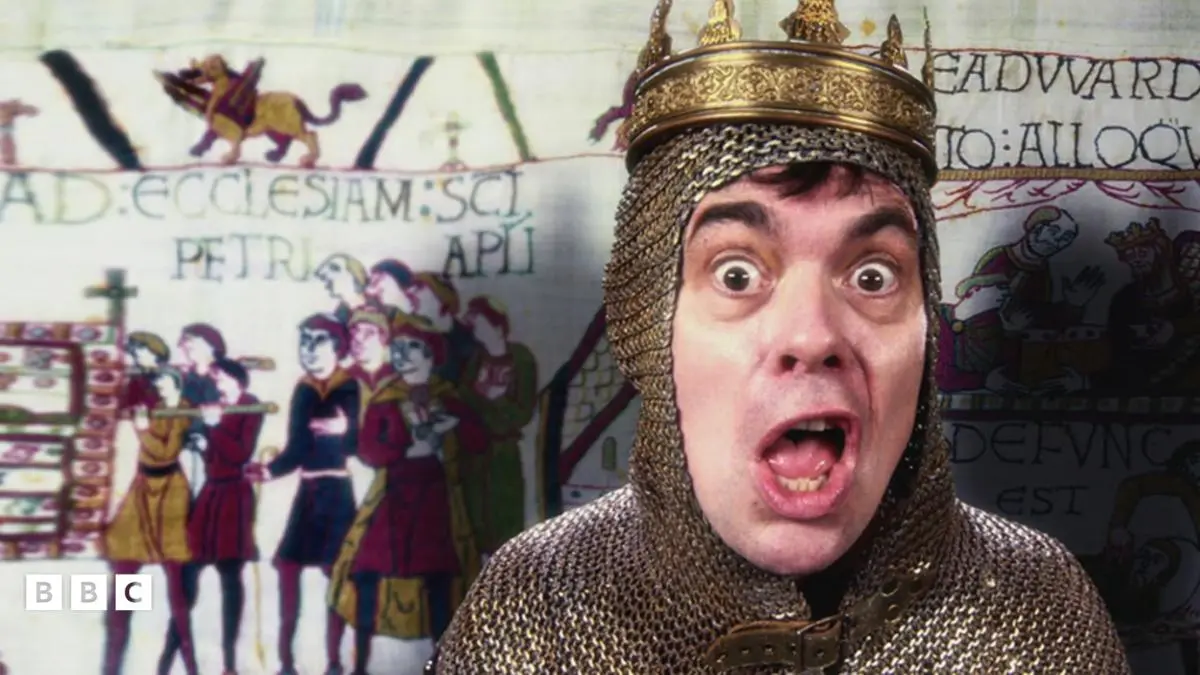
Visitors to the British Museum's long-awaited Bayeux Tapestry exhibition will be swept into the drama of 1066, warlords, oaths on holy relics and the decisive Battle of Hastings, before the narrative pauses, leaving the story of England's transformation unfinished.
What the Domesday Survey Achieved
Just a decade after William the Conqueror secured the throne, he ordered a comprehensive assessment of every manor, field and livestock holding south of the River Tees. The purpose, recorded in the Anglo-Saxon Chronicle, was to determine how many hides of land existed, what the king owned and how much revenue each shire owed.
"…Then, at the midwinter, was the king in Gloucester with his council […] Then he sent his men over all England into each shire; commissioning them to find out how many hundreds of hides were in the shire, what land the king himself had, and what stock upon the land; or, what dues he ought to have by the year from the shire."
Within seven months, the inquisitors presented their findings at Old Sarum, an Iron Age hill-fort near Salisbury that William had fortified as a royal stronghold. The resulting record, compiled on nearly 900 vellum folios, became known as Domesday Book, England's first national asset register.
Why the Survey Still Matters
The Domesday entries reveal a society of distinct peasant classes, sokemen, villeins, bordars, cottars and even slaves, each bound to a lord by labour, produce or military service. The survey counted cattle, sheep, ploughs and woodlands, and recorded cash renders and labour dues. As 12th-century treasurer Richard FitzNeal later explained, the book was "the day of judgement", its authority could not be ignored in any dispute.
"The natives call this book Domesday, that is, the day of judgement. This is a metaphor: for just as no judgement of that final severe and terrible trial can be evaded by any subterfuge, so when any controversy arises in the kingdom concerning the matters contained in the book, and recourse is made to the book, its word cannot be denied or set aside without penalty."
By documenting the transfer of roughly 5,000 Anglo-Saxon thegns' lands to about 200 Norman barons, the survey cemented a feudal hierarchy that reshaped English law. Rights once enjoyed by free peasants were stripped, and a new class of sheriffs and tax farmers emerged, laying the foundations for a legal system that privileged great landowners for centuries.
Beyond legal history, Domesday offers a snapshot of late Anglo-Saxon England's wealth and organisation. The level of detail suggests that earlier kings already maintained extensive written records, charters and oral traditions that the Normans could tap into. The survey therefore confirms that pre-Conquest England possessed a sophisticated, literate administration.
What Comes Next for England's Medieval Heritage
Today, more than 13,000 place-names recorded in Domesday still appear on modern maps, providing a tangible link between contemporary villages and their medieval origins. The legacy of the survey is evident in the pattern of motte-and-bailey castles, Norman churches and the very boundaries of historic counties, many of which survived until the local-government reforms of 1974.
Scholars continue to mine Domesday for insights into settlement patterns, environmental change and the social impact of the Norman Conquest. Recent studies have used the data to model medieval agricultural productivity and to trace the long-term effects of the Harrying of the North, an episode now recognised as a genocide that left large swathes of Yorkshire and Lincolnshire recorded as "waste" in 1086.
Public interest is also growing, spurred by works such as Max Adams's walking guide, which retraces the routes of the original surveyors. By walking the same fields, fords and churchyards, modern travellers experience the continuity of landscape that Domesday preserved.
As England confronts debates over land use, heritage protection and regional identity, the Domesday record remains a benchmark for transparency and accountability. Its meticulous accounting of who owned what, and what was owed, offers a historical precedent for contemporary discussions about land reform and fiscal fairness.
Conclusion
The Domesday Book is more than a medieval curiosity; it is the backbone of England's legal and cultural inheritance. From the vivid scenes of the Bayeux Tapestry to the quiet rows of vellum pages, the survey tells how a conquering elite reshaped a nation, and how that reshaping still echoes in the fields, towns and laws of modern Britain.