
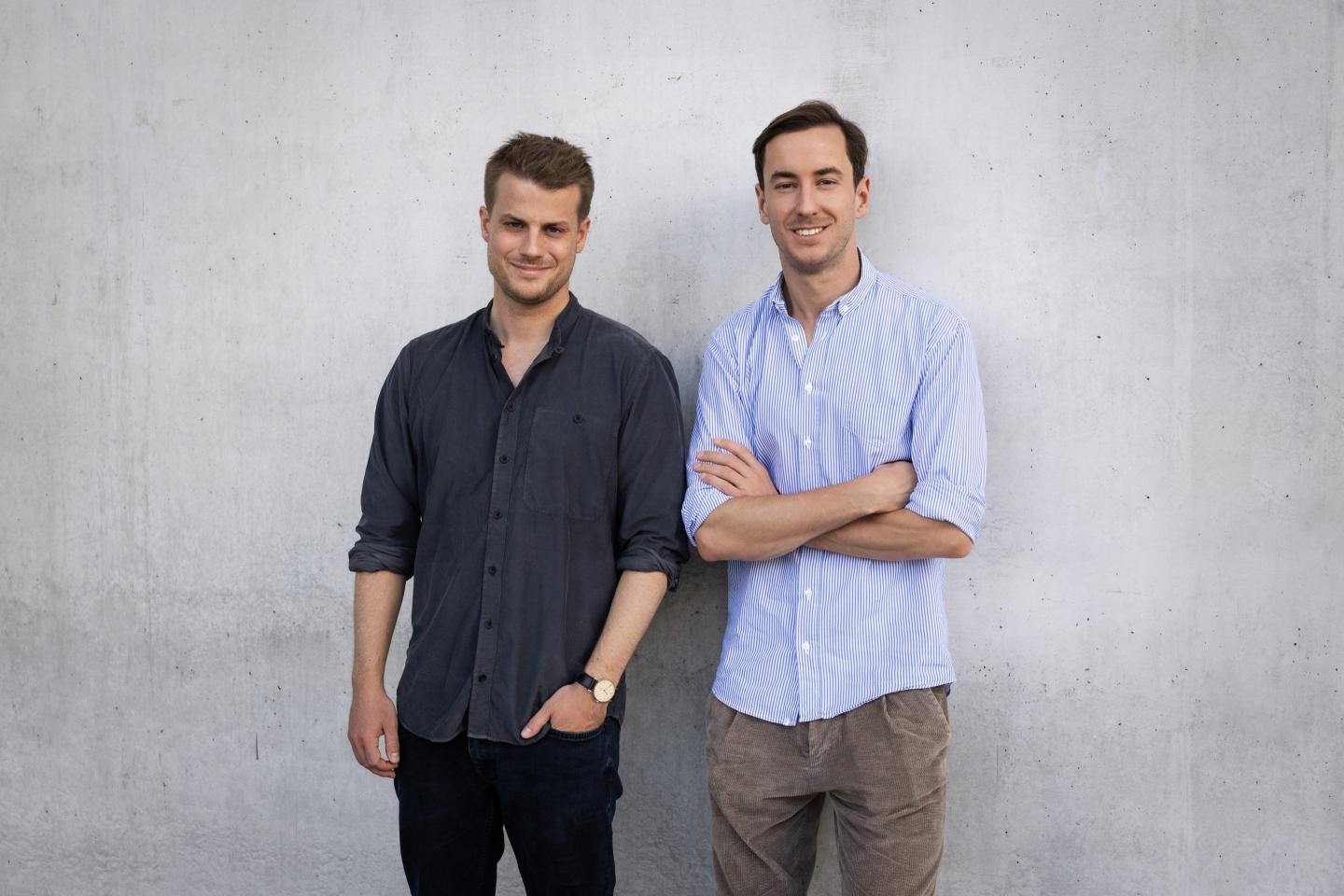
Florian Diegruber and his co-founder August DuMont Schütte announced that Atira, the Munich-based artificial-intelligence venture, has raised $17.5 million to automate the paperwork that slows down industrial dealmaking.
Funding round details
The company said the financing consists of a $15 million seed round led by Accel, complemented by a $2.5 million pre-seed tranche. Other participants include UVC Partners, Fortino, BOOOM and individual investors such as Marc Bitzer, chairman and CEO of Whirlpool, and Bastian Nominacher of Celonis. Atira declined to disclose its post-money valuation.
Why industrial sales engineering matters
Atira estimates that the sales-engineering function, turning a customer request into a technically viable, priced bid, accounts for more than $128 billion of annual labour spending worldwide. Diegruber argues that while factories have embraced automation, the "front-door" work of creating quotes remains largely manual, often taking months.
"Sales engineering is one of the largest workflows in manufacturing that software has never truly automated," said Florian Diegruber.
This bottleneck not only delays revenue but also ties up engineers and commercial staff who could be focused on product development.
How Atira's AI works
The platform plugs into a client's existing CRM, ERP and configure-price-quote systems. AI agents read incoming requests, highlight key requirements, flag specifications the supplier cannot meet and then generate the technical documentation, configuration proposals and pricing options that constitute a bid.
Human experts are kept in the loop: the software pings them via Microsoft Teams when a question cannot be answered from the documents alone, and every AI-generated answer is displayed with its source for human verification.
Early customers and results
Since its commercial launch in November 2025, Atira has signed about 15 customers, all of which are now using the system in full production. Five of those clients have more than 100 users each.
Among the adopters are ABB E-mobility, the electric-vehicle charging arm of the European engineering group ABB, and Chiron Group, a German industrial parts manufacturer. Chiron reports an 80 percent reduction in the time needed to process inbound quote requests. Robel, a railway-equipment maker, says the software saves roughly 95 hours of sales and engineering effort per quotation.
Looking ahead
Atira plans to invest the new capital mainly in engineering and its first non-founder commercial hires. The team has grown from four employees at the start of the year to about 15, with nine more on the way. A pilot in the United States is already underway, signalling the startup's ambition to expand beyond Europe.
Industry analysts note that European manufacturers have traditionally been slower than their American counterparts to adopt startup solutions. Diegruber believes this is changing, as executives become more willing to experiment with AI-driven tools that promise rapid deployment and a short-term cancellation option.
"AI changes that equation because it can understand that context and orchestrate work across the entire process," said Harry Nelis, partner at Accel.
With its focus on capturing tacit knowledge and delivering a plug-and-play model, Atira aims to set a new standard for how industrial firms generate quotes, potentially reshaping the speed and efficiency of manufacturing sales cycles.