
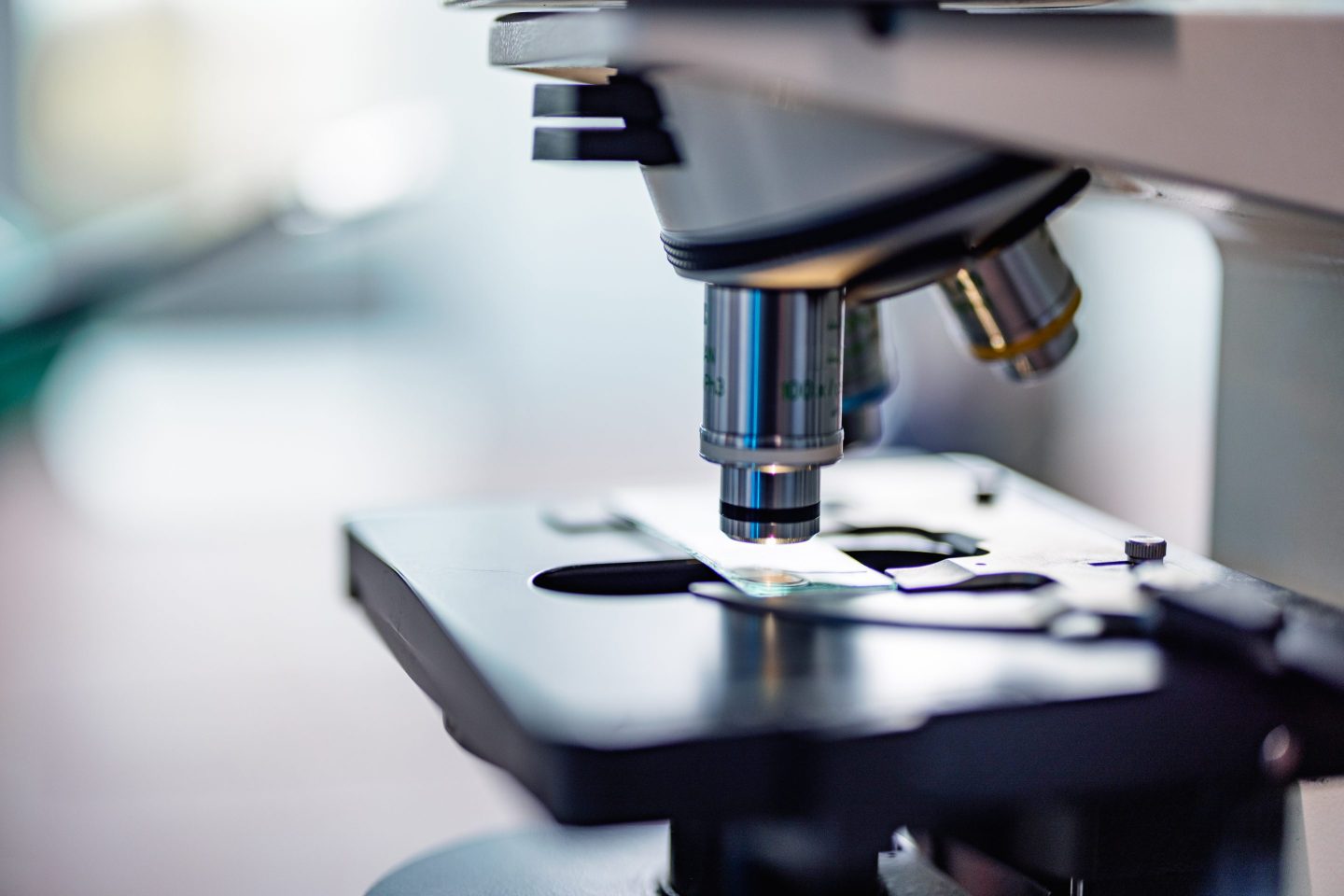
Alek Kemeny, a technical staff member at US AI firm Anthropic, announced on Thursday the launch of the Model Hardware Standard (MHS), a new framework that connects large language models with physical equipment ranging from factory robots to laboratory microscopes.
What the Model Hardware Standard does
MHS acts as a universal language that lets AI models such as Anthropic's Claude send simple commands, for example, "read", to any device that supports the protocol. The company says the standard can reduce integration time from weeks or months to a matter of hours or minutes, eliminating the need for specialised custom builds.
Why it matters for research and industry
By providing a model-agnostic interface, MHS works not only with Claude but also with competing large language models from OpenAI and open-source projects. This openness mirrors the Model Context Protocol (MCP), which Anthropic introduced in 2024 as a kind of "USB for AI to software connections".
Scientists and manufacturers have long struggled with proprietary device interfaces that are brittle and lock users into a single vendor. Jonah Cool, head of partnerships and deployment of science at Anthropic, said the new standard aims to avoid that lock-in and enable round-the-clock autonomous experiments.
Early adopters and future steps
Anthropic developed MHS in partnership with the HHMI Janelia Research Campus, a leading biomedical research centre in Virginia. A small group of labs and hardware makers, including Genentech, Carnegie Mellon University, quantum-computing firm QuEra, Universal Robots, Amazon Web Services, Doosan Robotics, Danaher and Hugging Face, received early access.
While not all existing equipment can connect to MHS immediately, Anthropic is working with device manufacturers to embed the protocol in new products and retrofit older ones. The company hopes that, in time, scientists will be able to purchase AI-ready devices that work out of the box.
Broader context in Europe
European manufacturers are watching the development closely as the EU pushes for greater AI integration in industry under its AI Act and Horizon Europe programmes. If the standard gains traction, it could provide a common bridge between European hardware producers and the rapidly evolving AI ecosystem.
"That's the future we imagine and are moving into," Kemeny said. "In the future, scientists can buy these devices and out of the box it works."
Anthropic's preview arrives alongside other physical-AI experiments, such as Hugging Face's robotic duck and Nvidia's push for every industrial company to become a robotics company. The next phase for MHS will be broader beta testing with more European partners and the release of developer tools that simplify integration.