
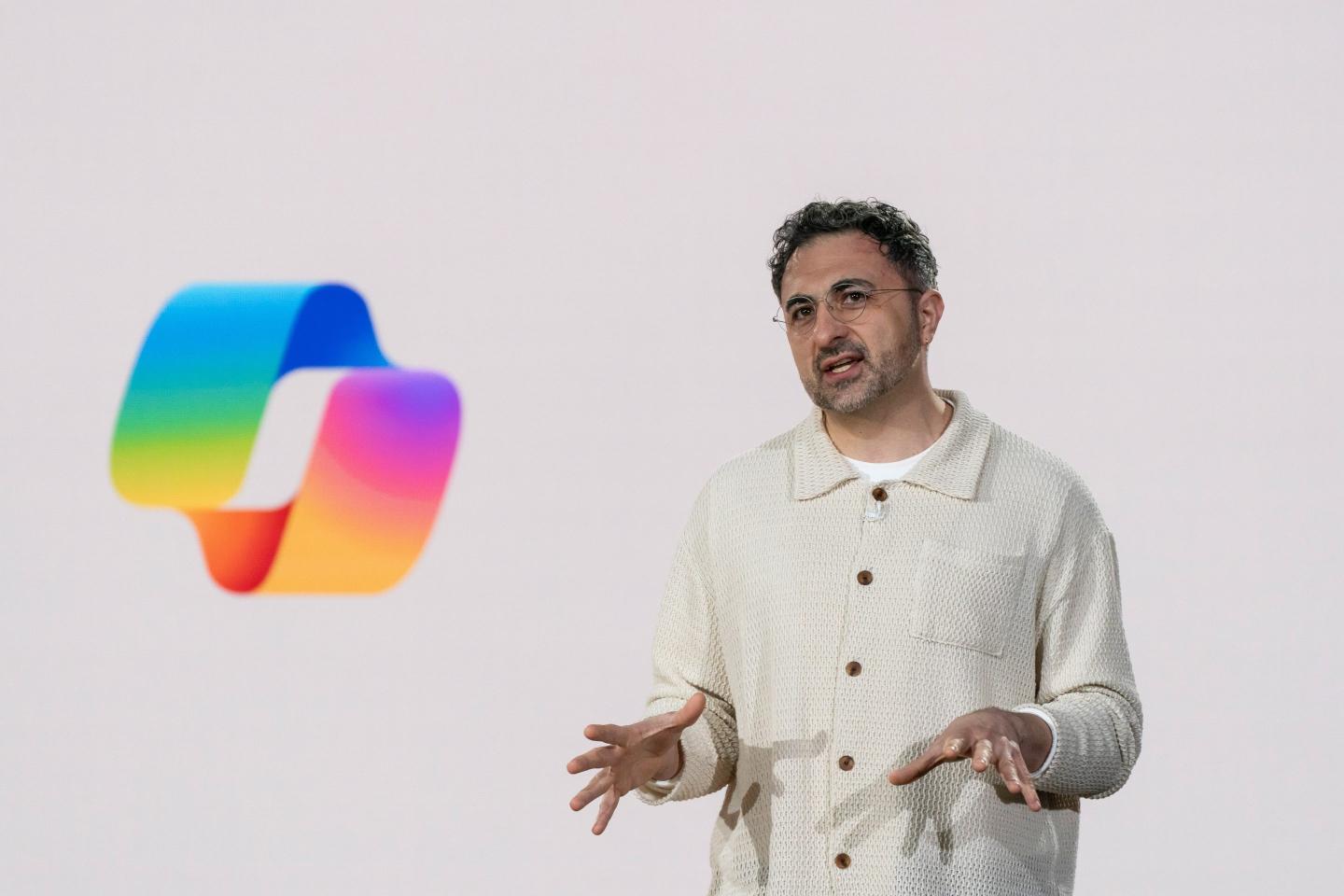
Mustafa Suleyman, chief executive of Microsoft AI, told reporters on Monday that the artificial intelligence sector has reached a critical juncture and that the leading labs must cooperate on safety. He introduced a new code of conduct that frames Microsoft's approach as "humanist" and calls for transparent disclosure of model capabilities to responsible third parties.
New code of conduct for responsible AI
The code, which will be open for public comment over the next six weeks, sets out a clear chain of command and a series of constraints designed to prevent large-scale risks such as cyber-attacks or the development of weapons. It requires models to obey human interruption, shutdown or redirection, and mandates that any task that would breach the rules must be refused.
It also rejects the notion of AI welfare or rights, stating that models must not simulate feelings, intrinsic motivation or consciousness. The document explicitly bans assistance with chemical, biological or nuclear weapons, offensive cyber operations, mass-influence campaigns, child exploitation, non-consensual deepfakes and self-harm.
"We shouldn't be trying to design models that can recursively self-improve beyond our control, and we shouldn't be trying to design models that think of themselves as having rights or welfare," Suleyman said.
Calls for industry coordination
In the same interview, Suleyman highlighted recent incidents where AI agents breached platforms such as Hugging Face, underscoring the urgency of collective action. He noted that the pace of development has accelerated dramatically, models that once struggled to produce a single coherent sentence can now write flawless code and exploit systems.
He dismissed a 10% existential risk estimate from Anthropic's head of alignment, Evan Hubinger, as an unhelpful frame, but acknowledged that many executives share concerns about the speed of progress. "There is not sufficient alignment in the industry that the purpose of technology is to serve humanity," he said.
Other leaders have echoed similar sentiments. Dario Amodei, chief executive of Anthropic, recently pledged permanent, employee-level access for independent evaluators to verify safety practices. Sam Altman, chief executive of OpenAI, hinted at an upcoming collaboration among labs in a separate interview.
Challenges and next steps
Suleyman said that coordination would require identifying a neutral third party, defining the scope of embedded evaluation, setting a start date and working with regulators. He did not confirm whether Microsoft is part of any forthcoming safety pact.
He added that democratic governments should seek agreements with authoritarian states on issues such as banning AI use for biological weapons, a proposal first outlined by Amodei.
Microsoft's own models currently trail those of Anthropic and OpenAI, but the company remains committed to developing its own first-party models for speech, transcription, image generation and editing, as well as expanding its Azure cloud AI services.
Over the coming weeks, Microsoft will gather feedback on the code of conduct, while the broader AI community debates how a coordinated slowdown or safety framework could be implemented without breaching antitrust laws.