
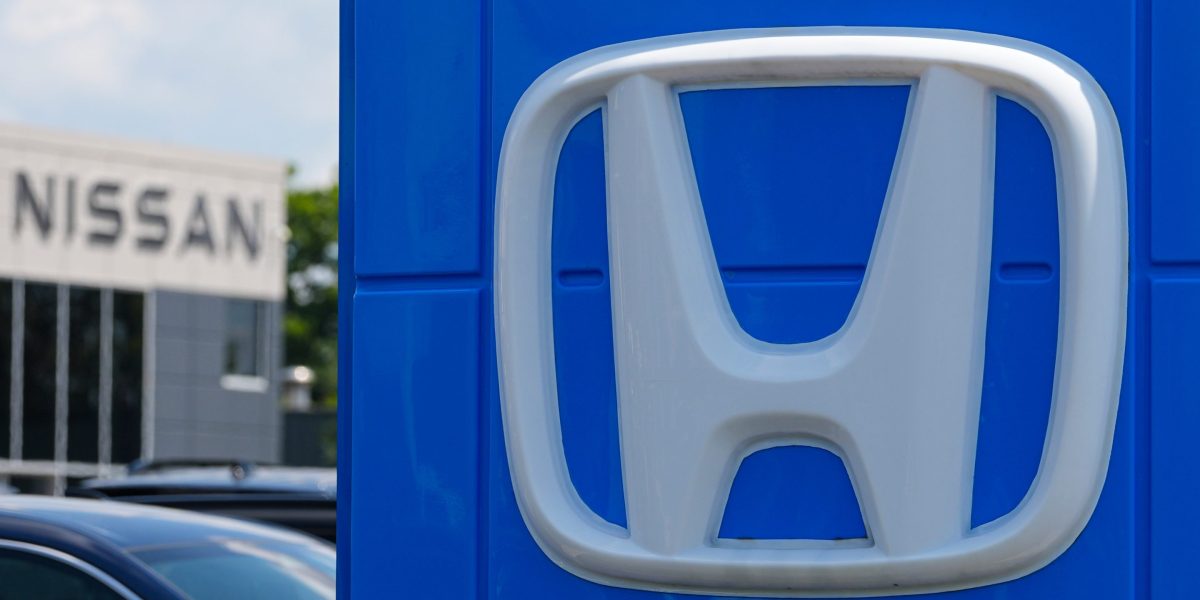
Nissan and Honda announced on Monday a joint venture to develop shared electronic control units and vehicle software for models slated for release in fiscal 2029. The two Japanese manufacturers will standardise parts in what they call "core ECUs" and collaborate on the software that runs them.
Joint development plan
The agreement, which builds on talks that began in 2024, focuses on so-called software-defined vehicles. These cars rely on software updates to add or modify functions, rather than mechanical changes, and may include electric models although the deal does not name any specific vehicles.
Why the partnership matters
As the global auto market shifts toward automated driving and zero-emission technologies, each vehicle is becoming more like a computer than a traditional engine. By sharing components and research, Nissan and Honda hope to lower costs, shorten development cycles and achieve economies of scale when production starts.
European rivals such as Volkswagen, BMW, Mercedes-Benz and Stellantis are already pooling resources to develop common operating systems, highlighting the pressure on manufacturers to collaborate on software.
Both Japanese firms also see the partnership as a way to strengthen their position against domestic leader Toyota, which has pursued its own software collaborations with companies like Subaru and U.S. autonomous-driving firm Waymo.
Looking ahead
The two companies said the alliance will continue to explore further joint opportunities, including zero-emission technologies and measures to reduce traffic fatalities. Both parties stressed that intelligence and electrification will remain central to their collaborative efforts.
"Recognising the need to strengthen competitiveness through faster development cycles and more efficient investment, the two companies have conducted extensive studies on potential collaboration in the software domain," the joint statement read.
With the partnership set to bear fruit by 2029, the next steps involve detailed engineering work on the shared ECUs and the creation of a unified software platform that can be adapted across both manufacturers' future model lines.