
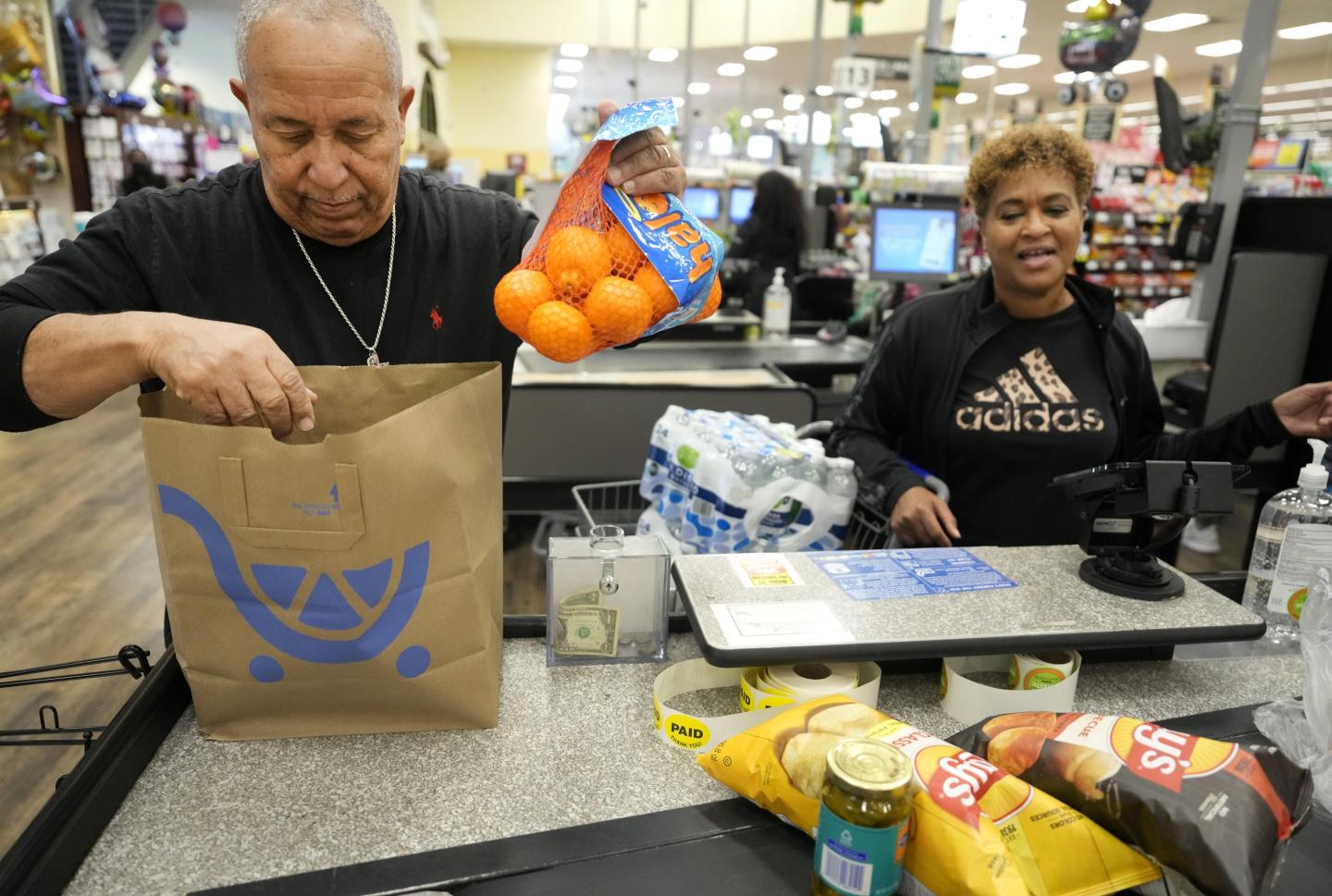
In the United States, roughly one in three shoppers has at some point used a buy-now-pay-later (BNPL) service such as Klarna or Affirm to cover basic items like milk and eggs. A new academic study suggests that this trend could make groceries more expensive for everyone.
What the research reveals
Researchers at Washington University in St. Louis examined how BNPL financing affects retail pricing. The paper, set for publication in the journal Management Science, combined consumer behaviour data with a model of retailer profit expectations. Lead author Panos Kouvelis, a professor of supply chain, operations and technology at the university's Olin Business School, explained that retailers often pass the merchant fee charged by BNPL providers onto consumers by raising sticker prices.
Why it matters to shoppers
A recent LendingTree survey of more than 6,000 Americans found that 29% of respondents reported using BNPL loans for groceries, up from 14% two years earlier. The Federal Reserve Bank of Richmond notes that the number of Americans using services such as Klarna, Affirm and Afterpay grew 20% between 2021 and 2025, even though BNPL transactions still represent only about one per cent of all credit-card purchases.
Because groceries have thin profit margins, the added fee can erode retailer profitability. Kouvelis warned that "retailers, as a result of accepting these kinds of payments, they are going to increase prices, which basically means that all of us are going to pay for these practices that are out there." Consequently, shoppers who pay in full may subsidise those who finance their purchases.
Potential wider consequences
The study also flags risks for retailers. If price increases make certain items unprofitable, stores may reduce stock or drop product lines, limiting consumer choice. Moreover, BNPL financing remains largely unregulated, and many providers do not report debt to credit bureaus. Kouvelis noted that some users carry five to ten simultaneous BNPL loans, creating a hidden "phantom debt" burden.
While the average BNPL debt is modest, about $135, the cumulative effect could strain households already coping with high healthcare, childcare costs and persistent inflation.
What could happen next
Industry observers suggest that regulators may scrutinise BNPL practices more closely, especially for essential goods. Retailers could also reconsider fee structures or limit BNPL options for low-margin products. For consumers, the study underscores the importance of weighing short-term financing against potential long-term price hikes.