
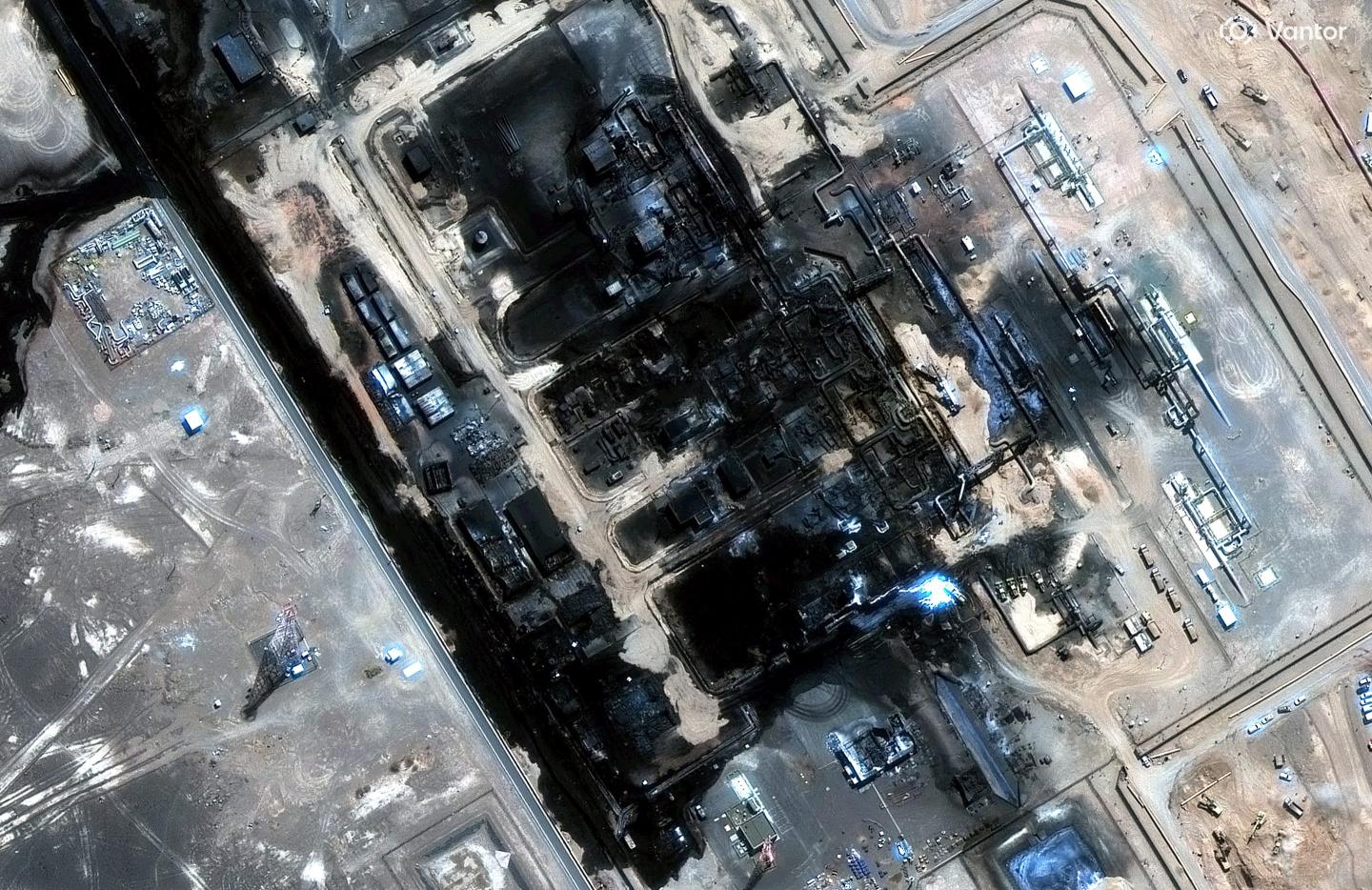
Saudi Arabia closed its 1,200-kilometre East-West oil pipeline on Friday following a drone attack that officials say was carried out by Iranian-backed militias operating in Iraq. The shutdown threatens to cut a flow of up to four million barrels a day that normally bypasses the Strait of Hormuz, sending Brent crude above $105 a barrel and stoking fears of tighter global energy markets.
Why the pipeline matters
The East-West pipeline was built in the 1980s to give Saudi exporters an alternative route to the Red Sea in case the narrow Hormuz waterway was blocked during the Iran-Iraq war. Today it moves between 2.6 and 4 million barrels daily from a processing hub near the Persian Gulf to the Red Sea port of Yanbu, where crude is loaded onto tankers bound for Europe via the Suez Canal or for Asia via the Bab el-Mandeb Strait.
According to the International Energy Agency, four million barrels per day represent roughly four percent of global oil supply. With Saudi production at about ten million barrels a day in September, the pipeline accounts for a significant share of the kingdom's export capacity.
Current oil flow routes and disruptions
Before the war, around twenty million barrels passed through the Strait of Hormuz each day. Since the conflict began, traffic has fallen sharply; Lloyd's List Intelligence recorded only ninety transits in the first week of September, compared with about 130 daily before the war.
Houthi rebels in Yemen have also tightened their grip on the Bab el-Mandeb Strait, a key southern Red Sea passage. Melius Research estimated that three million barrels a day moved through that strait in early September, but noted that the flow is now likely close to zero.
"If this East-West pipeline was the only method for Saudi Arabia to get their oil out it would be absolutely cataclysmic," said Salvatore Mercogliano, professor of maritime history at Campbell University.
Despite the pipeline closure, some oil continues to leave the region via Hormuz, albeit at reduced volumes, and Saudi inventories are expected to sustain exports for a few days. Janiv Shah, vice-president of oil markets at Rystad Energy, warned that the market is already reacting to a "significant loss of supply" and that the situation could change quickly.
Impact on fuel prices and households
The supply shock has pushed Brent crude above $105 a barrel and lifted gasoline and diesel prices worldwide. In the United States, regular-grade gasoline averaged $4.32 per gallon on Monday, up about 45 percent since the war began, while diesel hit a record $6.23 per gallon, a rise of roughly 66 percent.
Countries that rely heavily on Middle Eastern imports, such as Nigeria, Indonesia and Lebanon, have seen diesel prices jump by 80 to 92 percent and gasoline prices rise by 38 to 61 percent, according to Global Petrol Prices.
Higher diesel costs feed through to the price of goods that depend on road transport and farm equipment, raising the risk of broader inflationary pressures, especially as the world heads into the northern harvesting and heating season.
What comes next
Regional officials estimate that repairs to the pipeline could take three to five weeks. In the meantime, market participants are watching for any further attacks on Saudi infrastructure and for the degree to which Hormuz traffic can be restored. Analysts say that continued disruptions could keep oil prices elevated and strain household budgets across Europe and beyond.