
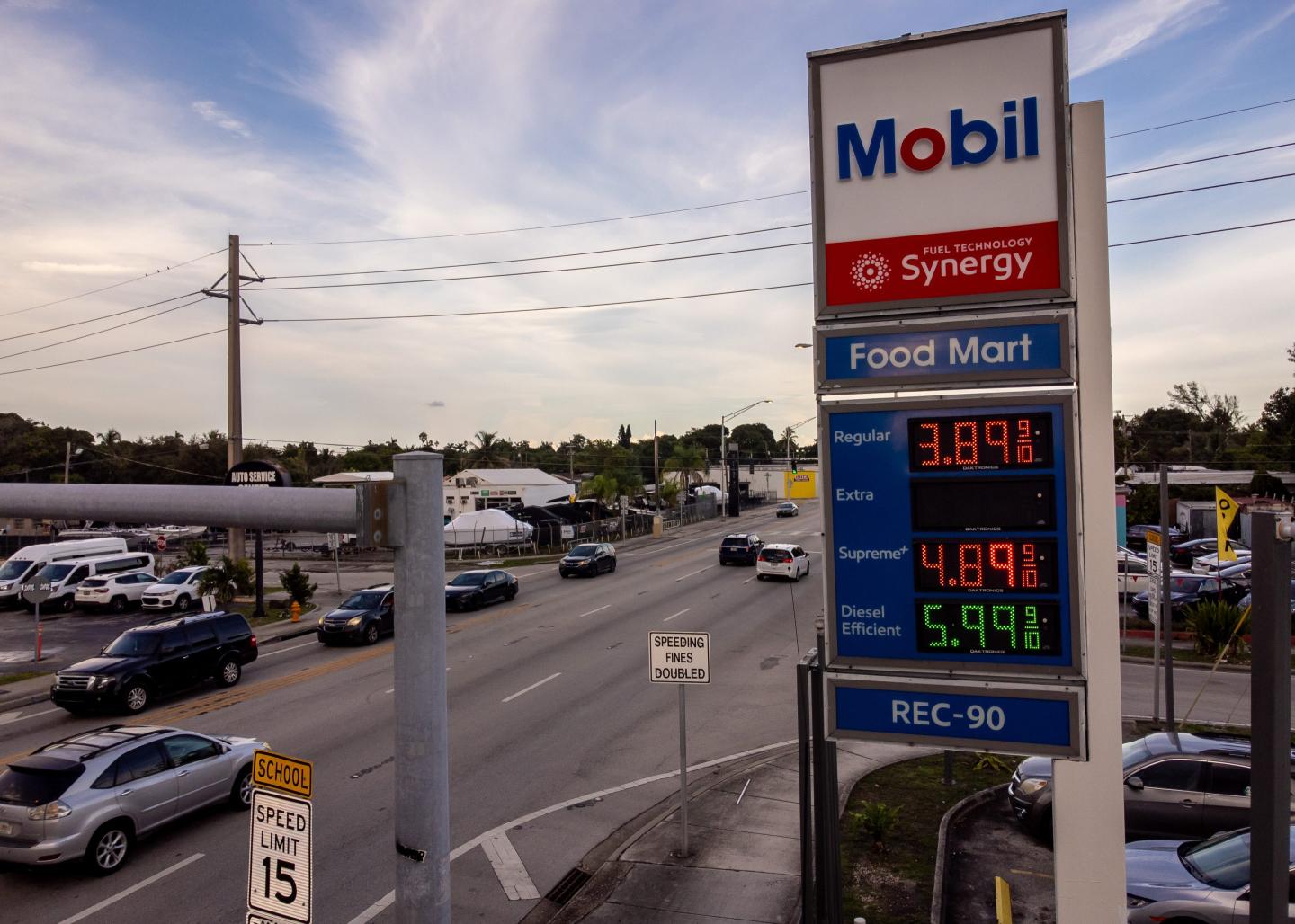
Russia and Ukraine have been locked in a four-year conflict that now reaches far beyond the battlefield, as the United States recorded an all-time high diesel price of $5.85 per gallon. The surge follows a wave of long-range drone strikes that have knocked out roughly 40% of Russia's oil-refining network, cutting diesel exports and tightening supplies worldwide.
Refining attacks tighten global fuel supply
The war has repeatedly disrupted oil flows in the Black and Caspian seas, but the most consequential development is the systematic targeting of Russian refineries. With a sizeable share of capacity offline, Russia has halted diesel exports, removing about three percent of daily global diesel from the market. Combined with outages in the Middle East and reduced output in China, the shortfall has driven diesel prices to record levels in the United States.
"The Russia situation is really critical," said Matt Reed, president of the geopolitical and energy consultancy Foreign Reports. "It makes sense that the world's attention turned to Hormuz, but the real story now is refining constraints that are keeping fuel prices high. When the strait shut, the world tapped crude stocks, but we don't have the same kind of cushion for refined products."
North American refineries have tried to fill the gap, running at peak capacity and posting strong profits. Yet many plan maintenance shutdowns for the autumn months, meaning a portion of that extra capacity will soon disappear. Analysts such as Gregory Brew of the Eurasia Group warn that the tightening will persist through November, adding further pressure on US product prices.
Why diesel spikes matter for Europe and consumers
Although the record price is recorded in the United States, the ripple effects are felt across Europe. Diesel powers the continent's trucking and agricultural sectors, and higher costs feed into food prices and broader inflation. Patrick De Haan, head of petroleum analysis at GasBuddy, explains that "diesel is the fuel that moves the economy and, when diesel prices reach record levels, the impact extends far beyond the transportation sector."
Europe imports a significant share of its refined fuels, and any disruption to Russian output forces buyers to turn to alternative, often more expensive, sources. The lack of a strategic diesel reserve, unlike the United States' Strategic Petroleum Reserve for crude, leaves markets vulnerable to sudden supply shocks.
Outlook and possible next steps
Looking ahead, the key uncertainty is how Russia will respond to the erosion of its domestic energy infrastructure. If President Vladimir Putin perceives a strategic threat, he may consider escalating the conflict to protect his country's energy base. Meanwhile, Ukraine's improving ability to strike distant targets suggests that the refining pressure will continue.
For European policymakers, the challenge will be to diversify fuel supplies, accelerate the transition to renewable energy, and consider mechanisms to buffer refined-product markets against future shocks. The coming months will reveal whether the current tightening is a temporary spike or the start of a longer-term shift in global energy dynamics.