
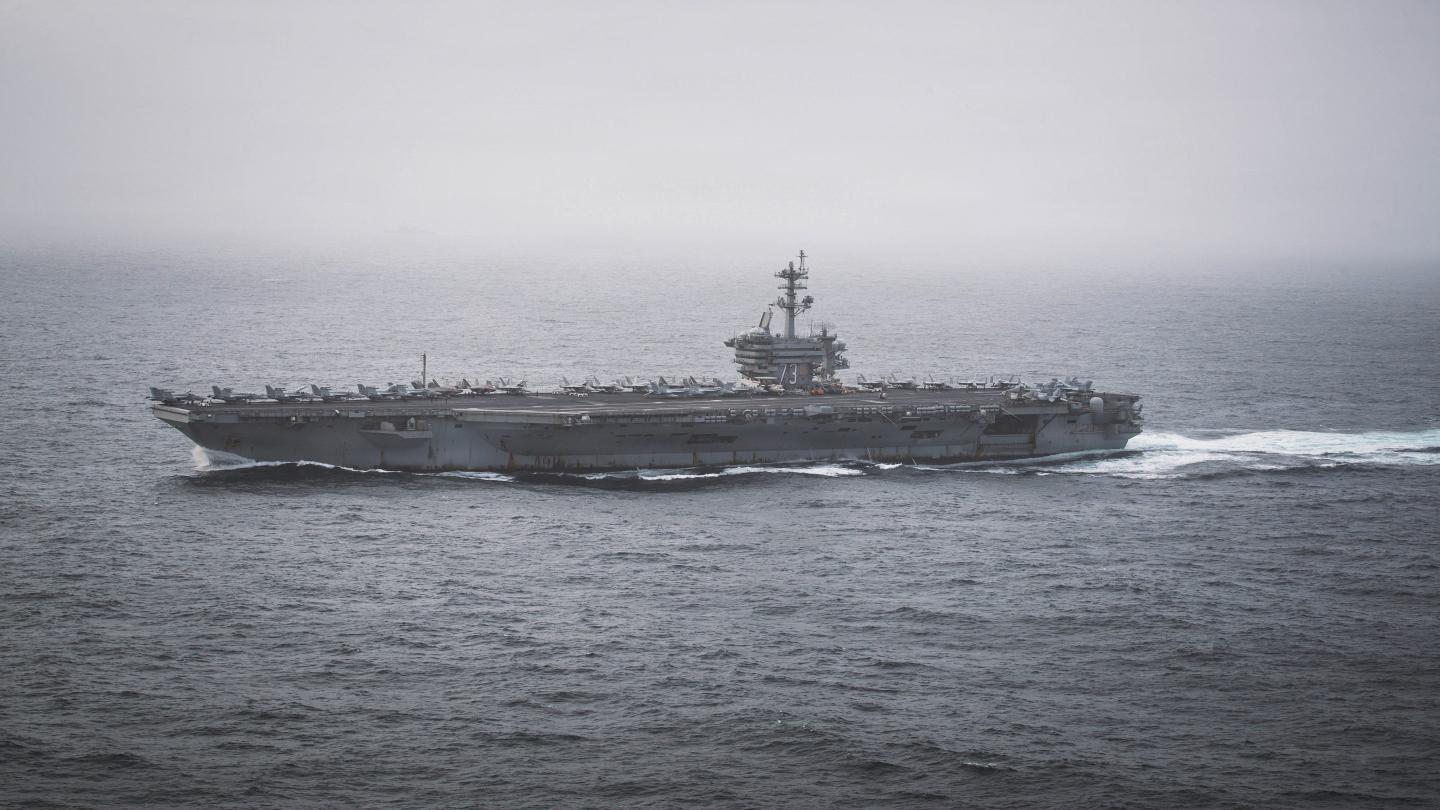
Admiral Brad Cooper announced that the United States would impose a higher economic cost on Iran after US warships were targeted in the Persian Gulf. Earlier this week Iran launched missiles at US bases, and on Saturday it fired at a Navy aircraft carrier and a destroyer. In response, US forces struck three Iranian oil tankers that were linked to the Islamic Revolutionary Guard Corps (IRGC).
Escalation in the Persian Gulf
The confrontation marks a shift from Iran's previous focus on commercial shipping in the Strait of Hormuz to direct attacks on US warships enforcing a naval blockade. The blockade, aimed at curbing Iran's oil exports, has kept oil prices high and strained Tehran's economy.
"Let the message to the IRGC be clear: If you shoot at two of our ships, we will impose an even higher economic cost, taking out three of yours," Brad Cooper said.
Iranian analyst Hamidreza Azizi of the International Crisis Group noted that while the missile strike on the carrier failed, it crossed a new threshold. He warned that a successful attack causing US casualties could quickly transform the conflict.
Why the naval clash matters
The exchange underscores the strategic importance of the narrow waterway that links the Gulf to the rest of the world. For the United States, the blockade is a potent economic weapon that limits Iran's oil revenue. For Tehran, the pressure has become increasingly unsustainable, prompting it to test the limits of US resolve.
Recent reports suggest that Russia may be assisting Iran in developing supersonic cruise missiles, which could force US ships to operate further from Iranian shores and weaken the blockade's effectiveness.
Potential next steps
The US Treasury Department has signalled plans for an "economic D-Day" targeting countries that facilitate Iran's illicit oil trade. However, analysts caution that tighter sanctions may not deter Tehran; instead, they could encourage riskier actions if Iran perceives the pressure as existential.
Both sides appear poised for further escalation. The US is likely to continue targeting vessels linked to the IRGC, while Iran may seek additional avenues to challenge the naval blockade, potentially widening the conflict beyond the Gulf.