
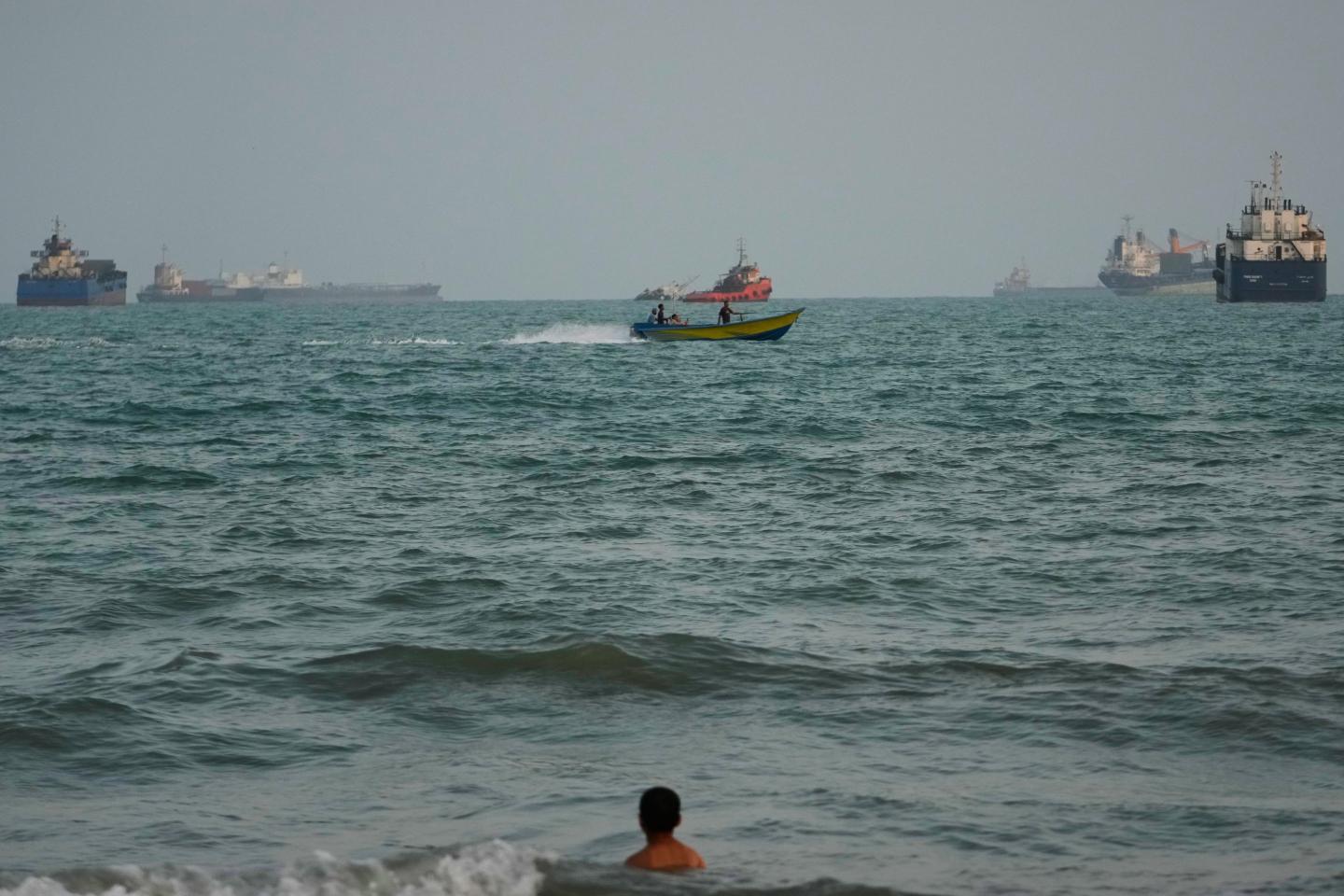
Admiral Brad Cooper announced on Saturday that the United States military had struck three Iranian oil tankers after missiles were launched at a US aircraft carrier and a destroyer operating in the Gulf region.
The strikes
The US statement said the carrier and destroyer evaded "multiple unprovoked Iranian attacks" while on patrol and that no American personnel were injured. Two of the tankers were described as "permanently disabled" and a third, which was empty, was destroyed.
According to the release, one tanker was hit off Kharg Island, a key export terminal for Iranian oil, another near Jask on the east side of the Strait of Hormuz, and the empty vessel in the Gulf of Oman. Video footage of the operations was included in the statement.
We will not hesitate to defend American forces, and if necessary, destroy Iran's limited and exposed oil fleet,
The comment came from the head of US Central Command, Admiral Brad Cooper, underscoring the US resolve to protect its forces and to target what it calls a "shadow network" that finances the Iranian Revolutionary Guard and its regional proxies.
Strategic implications
The attacks mark a renewed escalation in a conflict that began in late February with coordinated US and Israeli strikes. Both sides have sought to inflict military and economic pain, and diplomatic talks have collapsed. The Iranian tankers are believed to support the Revolutionary Guard, which plays a central role in Tehran's regional strategy.
Disrupting the oil fleet has broader consequences for global energy markets because the Strait of Hormuz is a vital conduit for oil and natural gas shipments. While the US has been escorting commercial vessels through the waterway, overall traffic remains reduced due to the heightened risk.
Future outlook
US officials said they will continue to guide ships through the strait and warned that further strikes are possible if Iranian forces target US assets again. The statement came a week after a brief lull in hostilities ended and after a US bombardment in southern Iran that killed at least five people, including casualties at a wedding.
Negotiations aimed at addressing Iran's nuclear programme, which broke down after a mid-June memorandum of understanding, have not resumed. With sanctions already in place for decades, Tehran appears to be leveraging control of the strait to extract political concessions.
Analysts expect the US to maintain a defensive posture while keeping pressure on Iran's limited oil fleet, a strategy that could shape the security environment of the Gulf for the foreseeable future.