
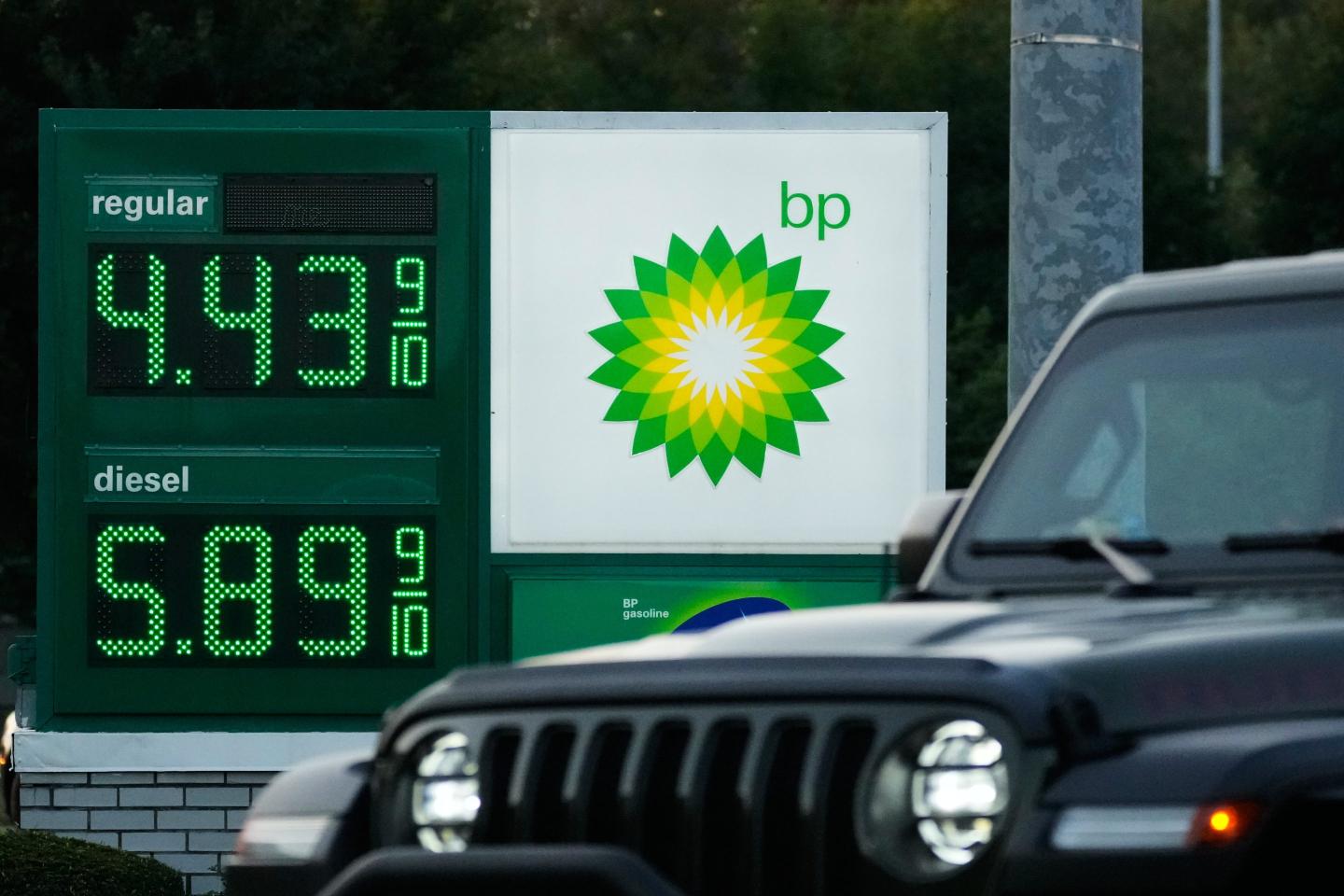
Diesel in the United States surged to an average $5.85 per gallon on Friday, the highest level ever recorded. The jump follows the escalation of the six-month conflict with Iran, which has disrupted global fuel flows.
Why the price spike matters
The surge in diesel costs matters because the fuel powers the majority of freight trucks, trains, ships and farm machinery that move everyday goods. Higher transport expenses inevitably feed into the price of a long list of consumer products, especially perishable items that require frequent restocking and refrigeration.
According to the Independent Grocers Alliance, fuel accounts for roughly 15 to 30 per cent of total food costs. When diesel climbs, the first items to feel the pressure are often seafood, fresh fruit and other refrigerated foods, as noted by David Ortega, a professor of food economics at Michigan State University.
"Early on, much of the cost increase gets absorbed along the supply chain through existing freight contracts and retailer margins," Ortega said.
Ortega added that as contracts are renegotiated and fuel surcharges become permanent, the extra cost passes more directly to shoppers.
What is driving the record price?
Before the US and Israel entered the conflict with Iran in late February, the national diesel average was about $3.76 per gallon, according to the American Automobile Association (AAA). Crude oil prices have risen sharply as tanker traffic in the Strait of Hormuz, a key chokepoint, has been constrained.
Brent crude, the international benchmark, was trading above $95 a barrel on Friday, up from roughly $70 before the renewed fighting. Pump prices typically track these movements closely.
The last comparable surge occurred in June 2022, when diesel briefly reached $5.82 a gallon amid the Ukraine war and sanctions on Russian oil. Adjusted for inflation, earlier peaks in 2008 and 2022 were higher in real terms, but the current level remains a significant shock for businesses and consumers.
Potential ripple effects
Beyond grocery shelves, the higher diesel price is already prompting logistics firms to add surcharges. Amazon introduced a temporary 3.5 per cent fuel and logistics fee for some third-party sellers, while carriers such as UPS, FedEx and the United States Postal Service have raised fees on certain parcels.
Ajesh Kapoor, chief executive of trucking-technology firm SemiCab, warned that while the sector can adapt, there is a limit to how much cost can be absorbed.
"Diesel price has a very, very direct impact on everything that moves on pretty much any mode," Kapoor said.
Public transport and diesel generators used for backup power also feel the strain, and analysts note that countries in Africa and Asia, which depend heavily on Middle-East imports, could face deeper crises.
Neil Atkinson, senior fellow at the National Center for Energy Analytics, said refined products are becoming scarcer as physical stocks dwindle.
"This is gradually becoming a major crisis because the prices themselves are very high but the physical stocks of these products are dwindling," he told a weekly briefing.
What comes next?
If diesel prices remain elevated, the cost pressure will likely move further down the supply chain, raising supermarket prices for refrigerated goods and potentially prompting retailers to adjust freight contracts or pass on surcharges to consumers. Monitoring of fuel markets and any diplomatic developments in the Middle East will be crucial for forecasting the next move in both energy and food price trends.