
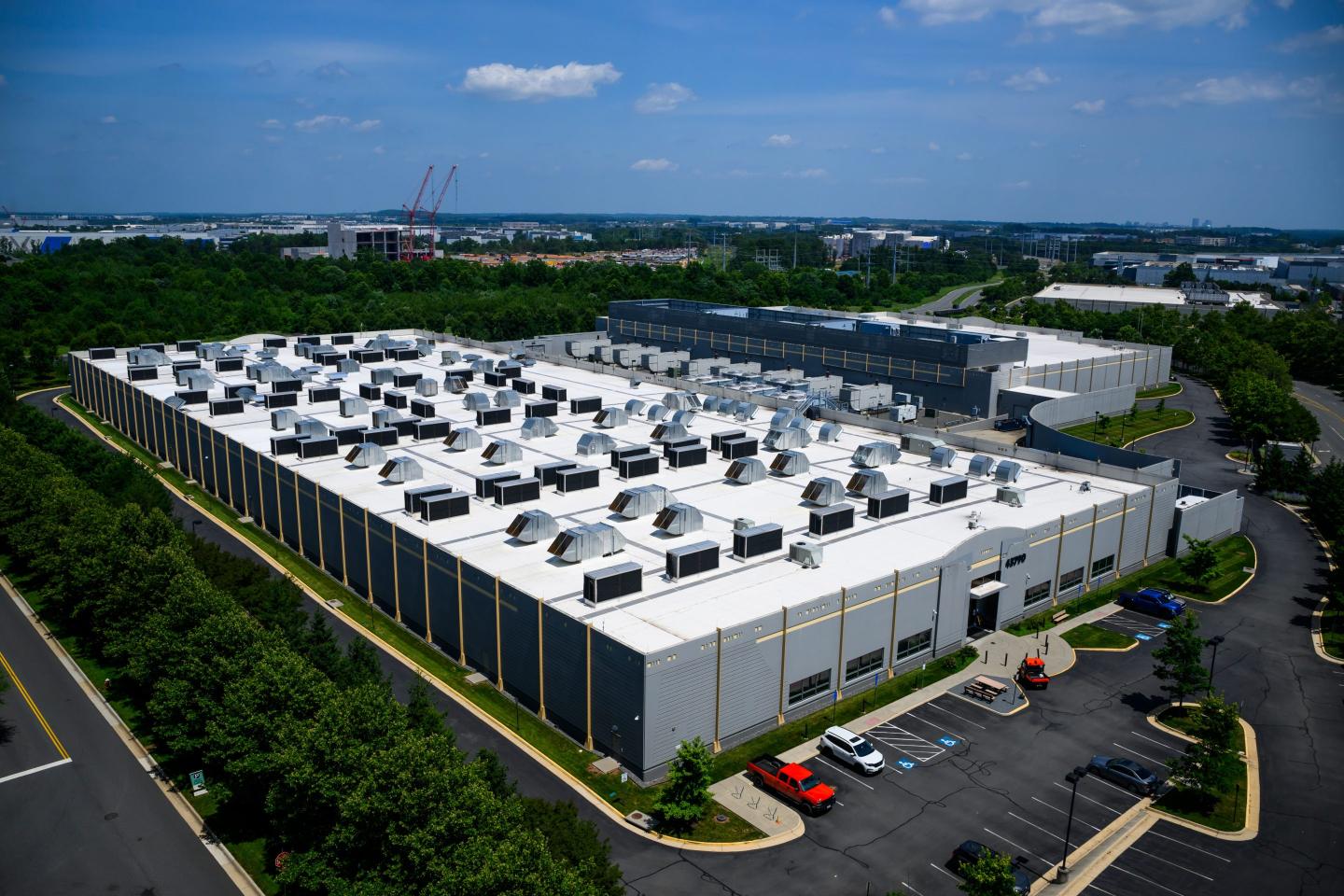
United States governors are watching a growing fiscal gap as tax incentives designed to attract AI data centres strip billions of revenue from state coffers. The boom in data-centre construction, driven by hyperscale cloud providers, has prompted a wave of exemptions from sales, property and other taxes, leaving many states to wonder whether the short-term gains outweigh the long-term costs.
Scale of the data-centre boom
According to a report by commercial-real-estate firm JLL, the global data-centre market is set to grow at a compound annual rate of 14 % through 2030, with hyperscalers remaining the main catalyst. In the United States, the number of facilities now approaches 5,000 across all 50 states, a figure that has surged alongside the AI surge of the 2020s.
State tax incentives and their cost
Nearly three-quarters of US states offer tax breaks for data-centre projects, ranging from sales-tax exemptions on equipment to property-tax abatements and income-tax credits for construction wages. The criteria differ widely: Texas requires at least $200 million in capital spend, Maine ties eligibility to a minimum square-footage, while New York imposes no investment floor and covers a broad spectrum of expenses.
These incentives matter because data-centre hardware turns over quickly. While core infrastructure such as power systems may last over two decades, cloud-computing equipment can become obsolete in as little as three years. The Tax Foundation notes that a $5 billion data centre could spend more than $1 billion annually on machinery, making sales-tax relief a significant factor in siting decisions.
States struggling with revenue loss
An investigative study by Good Jobs First identified at least 14 states that failed to disclose the revenue loss from data-centre tax abatements. Illinois is not among those, but its own data shows a sharp rise in exemptions. The report states:
"The number of data centre projects awarded the sales and use tax exemption in the Prairie State increased from six in 2020 to 27 by 2024," the study read. "The Department of Commerce and Economic Opportunity's annual Data Center Investment Program report stopped providing an annual revenue-loss number in FY 2023."
Illinois offers exemptions on a wide range of tangible property, from servers to climate-control systems, and a 20 % income-tax credit on construction wages, all for up to 20 years. Other states, such as Virginia, which hosts roughly 35 % of global hyperscale sites, demand a $150 million investment and the creation of at least 50 new jobs paying 150 % of the local average wage.
Economic impact and future scrutiny
Research from Georgia Tech suggests that data-centre openings raise local employment by about 3.5 %, wages by 5 % and household income by 2 %, but the gains are modest compared to the scale of investment. The study also found electricity prices climbing roughly 5 % after a centre begins operating, reflecting the high power demand of AI workloads.
Think-tank Brookings echoes these findings, noting that while data centres generate some jobs, wages remain largely unchanged and subsidies may be more valuable for facilities that deliver the smallest employment benefits.
Policymakers now face a dilemma: continue offering generous tax breaks to keep the AI infrastructure pipeline flowing, or tighten rules to protect state revenue and limit the ancillary costs to local communities. As the sector expands, the balance between attracting high-tech investment and safeguarding public finances will shape the next wave of data-centre development.