
The origins of Labour Day trace back to the late 19th century, when labour activists sought a day to honour workers. The first celebration in the United States took place in New York City on 5 September 1882, with a parade organised by the Central Labor Union and the Knights of Labour. A decade later, President Grover Cleveland signed legislation making the first Monday of September a federal holiday.
Government offices and schools
All federal government buildings, post offices, courts and public schools are closed on Labour Day. This includes state and local offices that follow the federal schedule.
Financial markets and banks
U.S. stock exchanges and most banks observe the holiday, meaning no trading or banking services are available on Monday.
Parcel delivery services
Standard pickup and delivery operations for FedEx and UPS are suspended for the day, although some critical locations may continue limited service.
Retailers
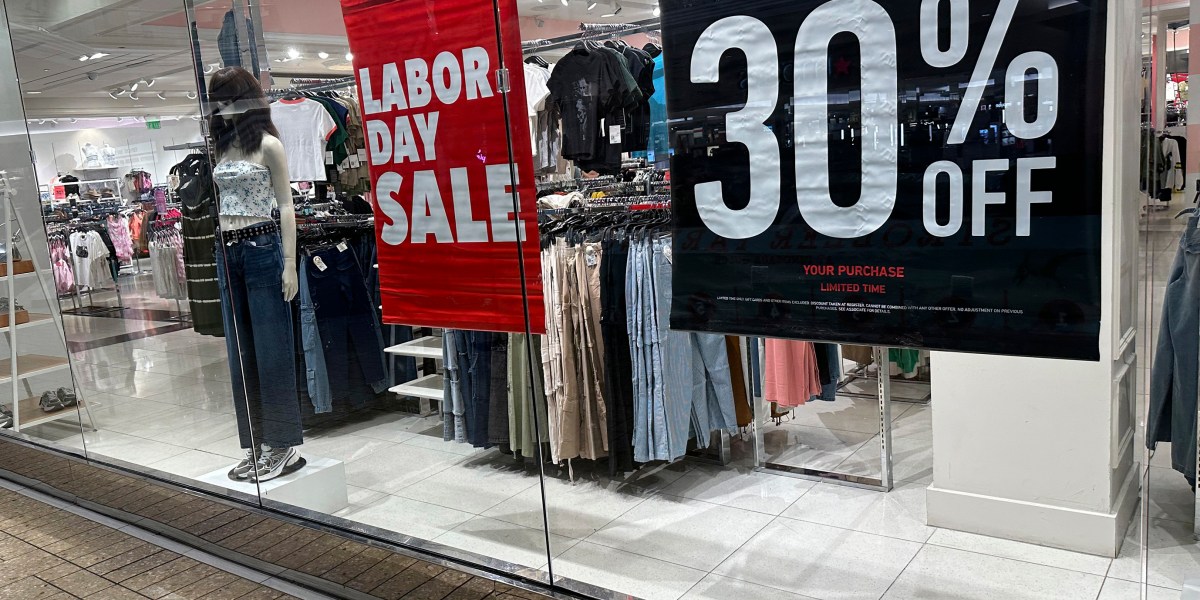
Warehouse club Costco remains closed, but the majority of national retailers and grocery chains stay open, often with promotional sales. Opening hours can vary by store, so shoppers should verify local timings.
Travel outlook
Despite schools returning and higher fuel prices linked to the conflict in Iran, millions of Americans are expected to travel during the final major summer weekend. The American Automobile Association (AAA) reports that flight prices to top domestic destinations are almost 20% higher than a year ago, and hotel rates have risen similarly. The average price for a gallon of regular gasoline is just under $4.10, up $0.90 from the previous year.
By contrast, cruises departing from U.S. ports are about 4% cheaper than last year. AAA does not publish a full travel forecast for Labour Day, but it advises motorists to monitor weather, check tyre pressure, battery condition and fluid levels before setting off. Packing an emergency kit with water, snacks, a flashlight and jumper cables is also recommended.