
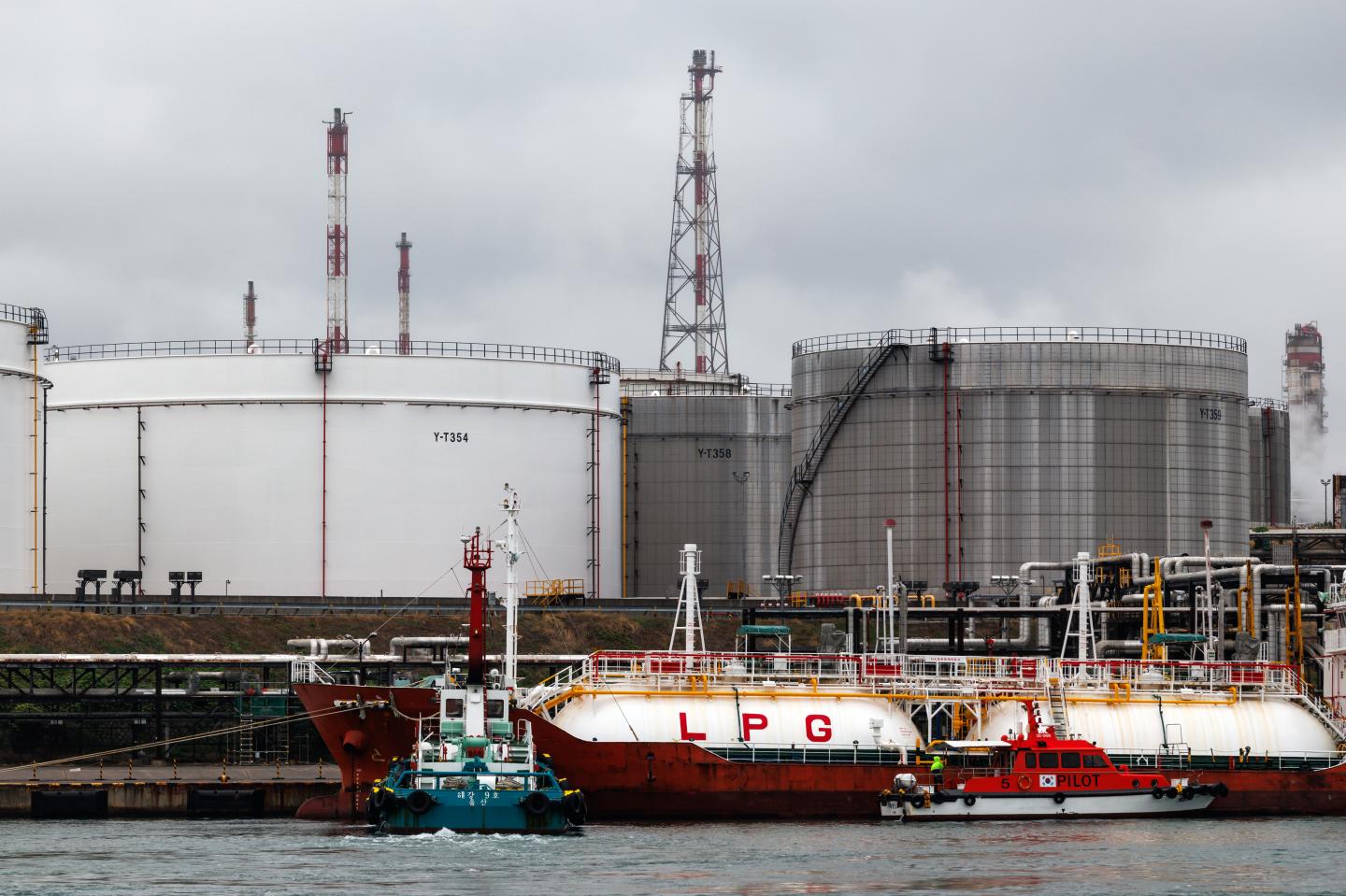
The war between the United States and Iran in early 2024 saw Tehran threaten to strike vessels navigating the Strait of Hormuz, a narrow 20-mile channel that carries roughly one-fifth of the world's oil trade. The prospect of a blockage sent Asian importers scrambling to secure fuel, impose export bans and ration supplies.
Why the crisis matters for Asia
More than 80% of the oil and gas that passes through the strait is destined for Asian markets, chiefly China, India, Japan and South Korea. A disruption would have reverberated through manufacturing, transport and electricity generation across the continent.
"Global oil and gas supply is still a major point of geopolitical leverage," says Saul Kavonic, head of energy research at MST Financial.
Kavonic added that hostile actors can exploit this leverage for political ends. The fear of price spikes, long queues at pumps and grounded flights prompted governments to act swiftly, yet the worst-case scenarios have not materialised.
What prevented a full-scale collapse?
Several factors blunted the shock. Strategic reserves held by the International Energy Agency's 32 member states, together with emergency releases of 400 million barrels of crude, cushioned the market. Producers in the United States, Saudi Arabia and the United Arab Emirates lifted output, while China drew on its own large stockpiles, leaving more oil available for other economies.
"OPEC has lost its primary role as global oil market manager," Kavonic observes, noting that the cartel's influence has shifted toward China.
Even so, the episode highlighted how dependent the global economy remains on fossil fuels despite a decade of growth in renewable technologies.
Energy importers diversify their sources
Before the conflict, the Middle East supplied about 90% of Japan's crude oil and roughly 11% of its liquefied natural gas (LNG). The crisis revealed a vulnerability: Japan imports virtually all of its energy, meaning any interruption could plunge the country into darkness.
"Japan found it was more vulnerable than expected, particularly when it comes to LNG, it imports 100% of its energy," Kavonic explains.
In response, Japanese firms such as Inpex have formed joint ventures to expand LNG projects in Australia's Northern Territory, while global majors like Woodside and Chevron are seeing a surge in demand for non-Middle-East gas supplies.
Exporters build alternative routes
Oil-producing nations are investing billions in new ports on the western side of Saudi Arabia and the Gulf of Oman, effectively bypassing the strait. Saudi Arabia's East-West pipeline, for example, could reduce the share of world oil that must transit the Hormuz corridor from 20% to about 10% if fully operational.
Gas, however, remains more exposed. Unlike crude, LNG cannot be rerouted through pipelines, leaving Asian markets reliant on maritime routes that could be jeopardised by a prolonged closure.
Looking ahead
Iran announced a new revenue-sharing arrangement for the strait in late June, but a military spokesperson blamed the United States for obstructing the process. With a potential U.S., Iran deal on uncertain footing, the risk of renewed tension persists.
"We spent the last four months living on the oil market credit card. And if we continue at that rate, that credit card will be maxed out in a few months," Kavonic warns.
Analysts expect Asian governments to continue bolstering strategic reserves, accelerate investments in alternative supply chains and explore renewable options to reduce reliance on a single chokepoint. The shift from just-in-time to just-in-case logistics marks a fundamental change in how the global energy system is managed.