
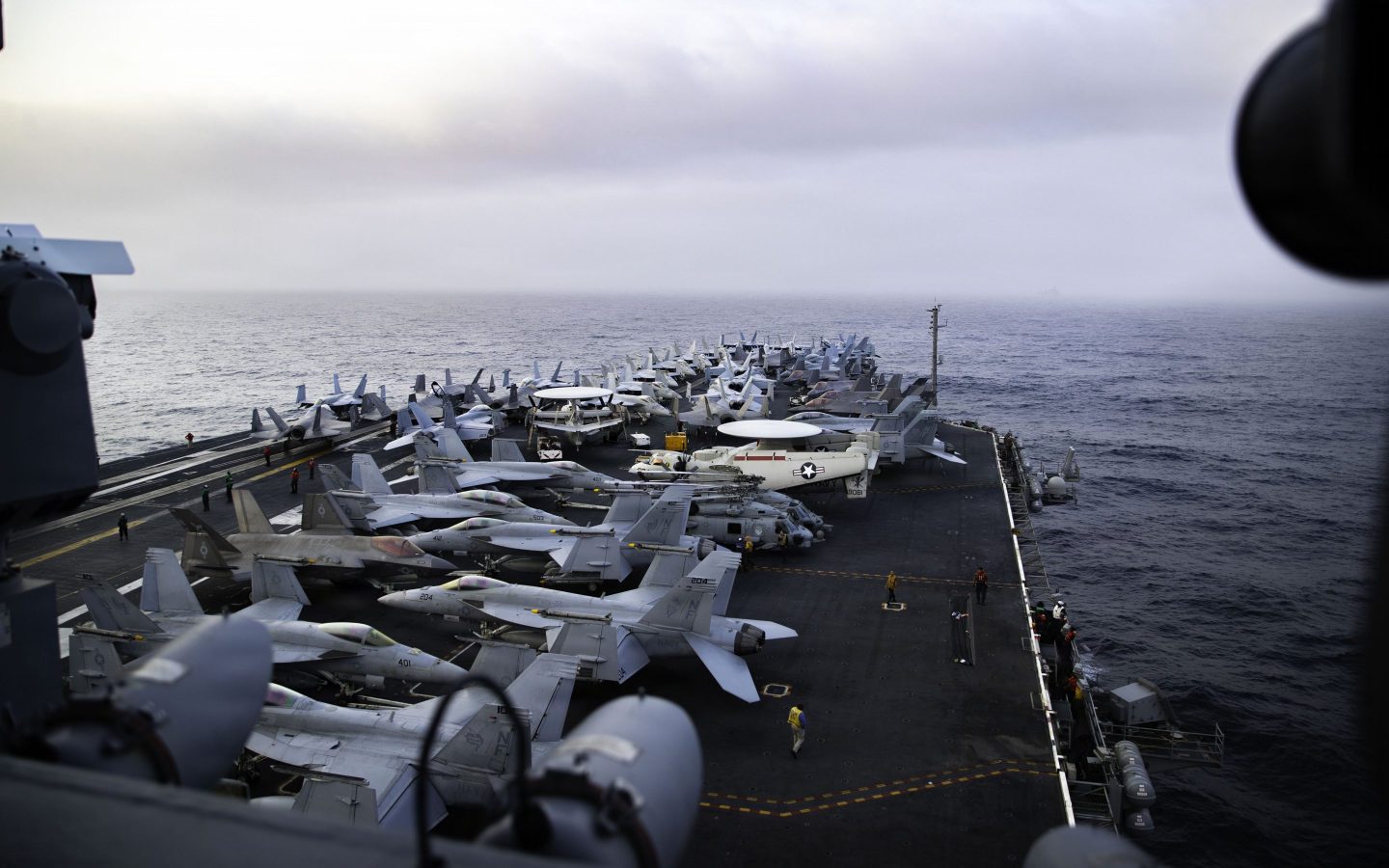
Donald Trump has maintained a naval blockade of the Strait of Hormuz in an effort to curb Iran's oil exports. While Tehran insists the waterway is closed, data from US officials and energy analysts show that millions of barrels still pass through each day, a reality that could keep the Iran-US confrontation alive for years.
Oil flows through Hormuz despite the blockade
The narrow passage historically carried around 20 million barrels of oil per day before the current hostilities began. United States Energy Secretary Chris Wright posted on X that US forces helped ship more than 15 million barrels and related products out of the strait on a recent Tuesday, with a seven-day average of about 8 million barrels. When combined with pipeline exports, total outflow approaches the historic level.
US officials have told Axios that roughly 10 million barrels a day move through a corridor the US military established along Oman's coast. A two-week US bombing campaign last month damaged Iran's radar and maritime surveillance, allowing tankers to sail at night with transponders switched off and to conduct shuttle runs that transfer oil to other vessels.
According to David Wech, chief economist at energy-intelligence firm Vortexa, the average daily flow over the past month has been 6-7 million barrels, with peaks near 10 million and a record day of 14 million barrels.
Implications for the conflict
The continued outflow means Iran can still generate revenue, reducing the urgency for either side to seek a swift resolution. Dan Alamariu, chief geopolitical strategist at Alpine Macro, wrote:
Barrels getting through raise the odds of a longer war, possibly deep into 2027: neither side feels urgency if oil does not materially move and Iran still earns enough to sustain the regime.
With the US naval blockade limiting Iran's direct exports, the market is forced to draw on dwindling strategic reserves, keeping oil prices relatively stable. This stability buys both parties time, creating a stalemate that could persist until external pressures shift.
What lies ahead
Analysts warn that the equilibrium is fragile. If Brent crude climbs above $105-$110 a barrel, rising fuel costs and inflation could push US policymakers to consider a more forceful reopening of the strait or intensified strikes on Iranian capabilities.
Meanwhile, the upcoming US midterm elections may provide Tehran with an incentive to provoke price spikes, hoping to erode support for the Republican Party. Such a move could trigger a cycle of retaliation and further escalation.
Esfandyar Batmanghelidj, founder and CEO of the Bourse & Bazaar Foundation, argued that Trump's reliance on economic pressure blurs the line between sanctions and open conflict:
Iran's leaders are confident they can go on the offensive because they are interpreting the shift to economic pressure as a sign of weakness. They believe that if they can land a few more punches, Trump will end up down for the count and have to return to the promises made in the MOU.
In the short term, the US is likely to maintain the current level of naval presence while monitoring oil price movements. A decisive shift, whether a diplomatic breakthrough or a major military incident, will determine whether the war drags on toward 2027 or ends sooner.