
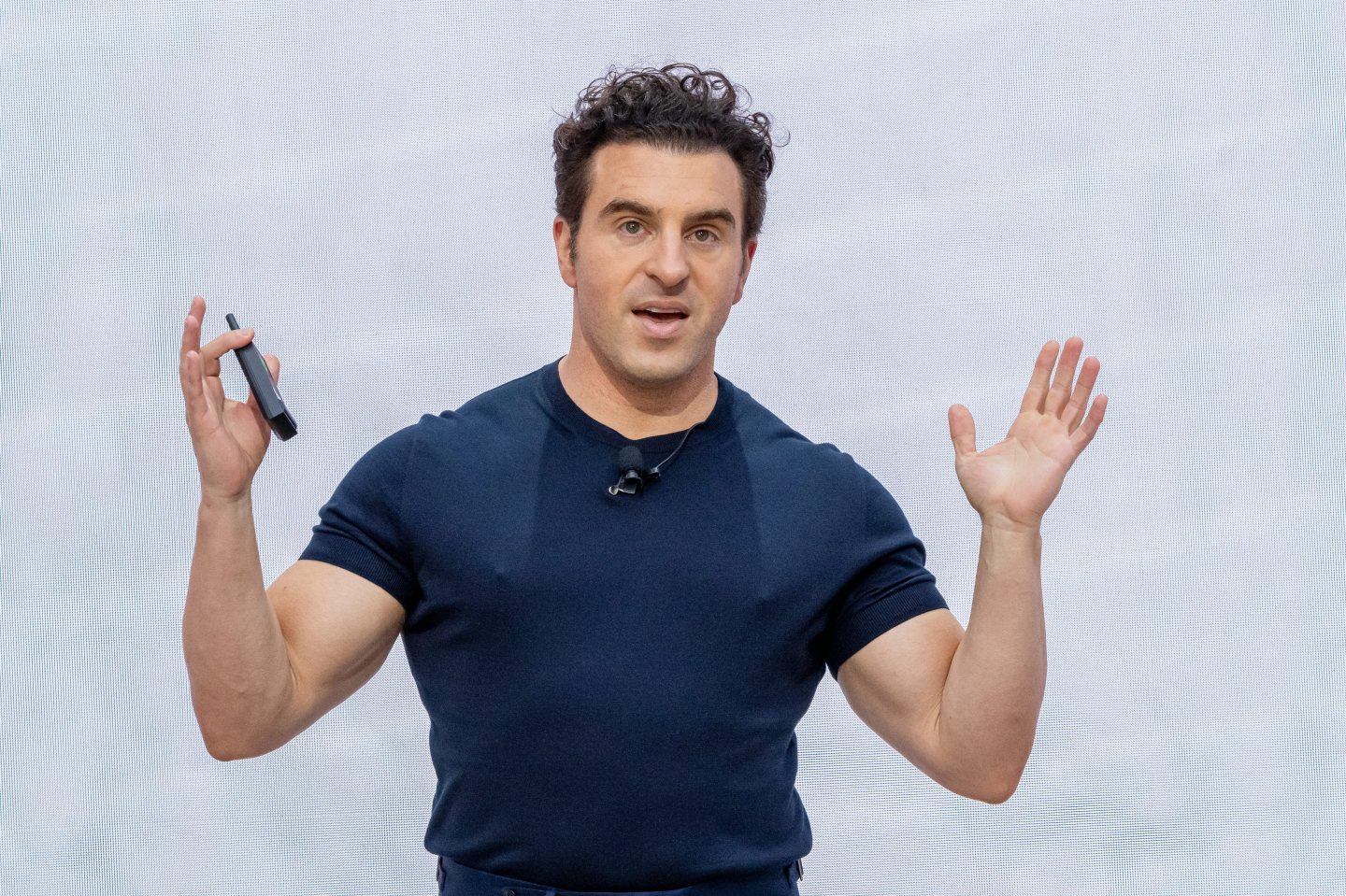
Brian Chesky, chief executive of the global home-sharing platform Airbnb, said on an earnings call that artificial intelligence now writes around sixty percent of the firm's new software. He added that staying in "founder mode", a hands-on, detail-focused leadership style, is the key to keeping the Fortune 500 company as nimble as a start-up.
What happened?
During Airbnb's second-quarter earnings call on 6 August, Chesky explained that AI tools have accelerated product development, cutting the time from concept to launch by up to sixty percent. The company reported revenue of $3.6 billion for the quarter and highlighted that its AI-powered customer-service system now resolves forty-five percent of user enquiries without human intervention.
"AI is the best thing to ever happen to Airbnb," Chesky told investors.
He also announced plans to increase spending on AI tokens this year, aiming to transform Airbnb into an "AI-native" company and to test AI-driven search functions across the platform.
Why does it matter?
Airbnb, founded in 2008 and now valued at roughly $110 billion, operates in more than one hundred countries, including a large European market. By automating a large share of its codebase, the firm can roll out new features faster, reduce friction in the guest journey and potentially boost bookings, a major driver of growth. The emphasis on founder mode reflects a broader trend among tech giants, where CEOs who remain closely involved in product details aim to preserve the agility that characterised their early years.
Industry observers note that the "founder mode" concept gained prominence after a 2024 essay by Y Combinator co-founder Paul Graham, which challenged traditional corporate management structures. Chesky's remarks echo this thinking, suggesting that a hands-on approach may be a competitive advantage in the rapidly evolving AI landscape.
What happens next?
Chesky indicated that Airbnb will continue expanding its AI capabilities, with a particular focus on AI-enhanced search, sign-up, checkout and payment processes. He projected that within the next eighteen months the company could launch a consumer-facing AI chatbot to assist travellers in planning trips, a move that could add up to $1 billion to annual revenue, according to sources.
While the exact timeline remains uncertain, Chesky described the development path as a "very, very tall mountain" but expressed confidence that the platform will be "very AI-native" within a year. The next steps will involve further investment in AI tokens, broader testing of AI-driven customer service tools, and deeper integration of AI across the guest experience.
Founder-led firms in the Fortune 500
Airbnb joins a growing list of Fortune 500 companies still led by their original founders, including Dell Technologies, BlackRock, Meta and Nvidia. According to EuroHerald, twenty-six of the 2026 Fortune 500 firms are founder-led, underscoring the perceived value of founder-mode leadership in the era of artificial intelligence.