
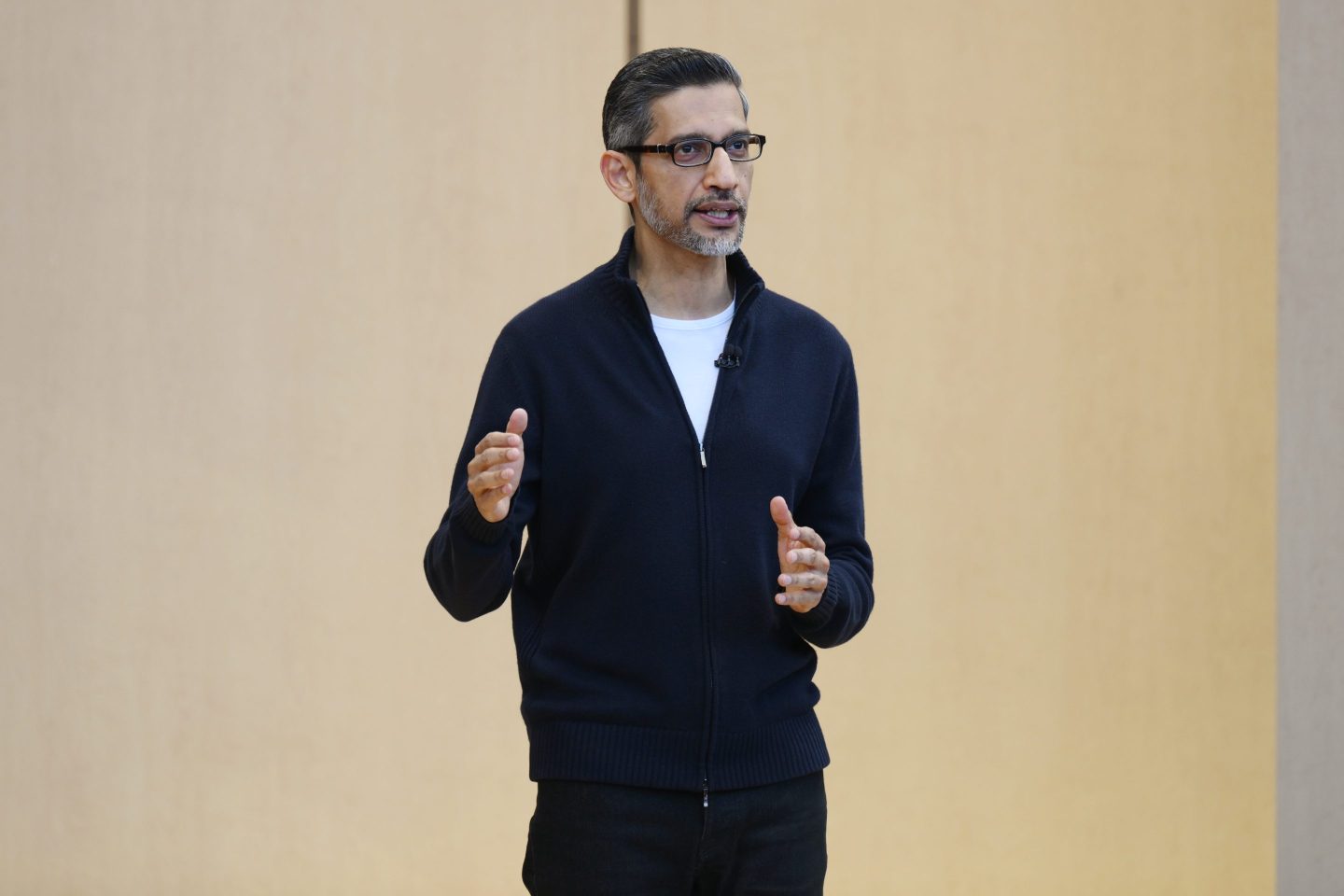
Demis Hassabis has announced he will step back from day-to-day duties at Google DeepMind to become chairman of the lab and chief scientist for Alphabet. His move comes as the lab faces a rapid erosion of its once-dominant position in the European AI talent market.
Talent drain confirmed by new data
An analysis by UK-based data-intelligence firm Zeki Data shows that the proportion of research and advanced-engineering hires at DeepMind across Europe, the Middle East and Africa fell from 49 % in 2022-23 to just 18.6 % in 2025-26. The drop is the steepest market-share loss recorded for any major AI lab in the region.
Interviews with current and former staff suggest the shift is driven by a mix of aggressive poaching by rivals, frustration over Google's strategic direction, and the lure of pre-IPO equity at fast-growing competitors such as OpenAI and Anthropic.
Why the change matters
DeepMind built its reputation on open-ended, blue-sky research that produced breakthroughs like AlphaGo and AlphaFold. Those achievements attracted top scientists who valued academic freedom as much as commercial impact. Recent internal policy changes, tighter publication rules and a six-month embargo on some generative-AI papers, have reduced that appeal, according to staff who spoke to EuroHerald.
The ability to recruit and retain a small pool of researchers capable of training frontier models is now a decisive factor in the AI arms race. Companies that secure these experts can accelerate model development, translate research into products faster, and enhance their credibility with investors and partners.
Key departures and shifting ratios
This month, DeepMind lost several senior figures: long-time chief scientist Jeff Dean, senior fellow Sanjay Ghemawat, and researchers Oriol Vinyals and Quoc Le, who left to start the startup Discovery Loop. On the same day, Demis Hassabis announced his transition to chairman, handing operational control to CTO Koray Kavukcuoglu.
"The more research-heavy people feel that they'd quite like to look at opportunities elsewhere, and then you start to see a much larger number than usual going to set up their own thing and bringing some of their friends with them," said Tom Hurd, founder of Zeki Data.
Zeki's data shows DeepMind's hires-to-exits ratio fell from roughly 12-to-1 in Q2 2023 to about 2-to-1 in Q3 2026. By comparison, Meta recorded a 3-to-1 ratio in 2025, OpenAI 5.7-to-1 and Anthropic 22-to-1.
Among those who left DeepMind in the past year, 25 % joined Anthropic, 21 % moved to Meta and 14 % went to OpenAI. The analysis also notes a net loss of specialists in large language models, multimodal systems and computer vision.
What comes next for DeepMind?
Despite the outflow, DeepMind continues to attract more researchers than it loses globally, and it remains backed by Google's vast compute resources, cash reserves and institutional reach. The lab is now expanding in robotics, embodied AI and machine-learning for science, areas where it competes with hardware giant Nvidia as well as rival labs.
However, the shrinking share in Europe, the Middle East and Africa, where newer players such as Mistral AI and Anthropic are gaining ground, signals that DeepMind's historic advantage is no longer guaranteed. The company will need to balance commercial pressures with the research freedom that originally attracted its elite talent if it hopes to halt the decline.
As the AI talent market continues to grow at a compound annual rate of 23 % since 2022, the next few years will likely see further consolidation around the labs that can offer both competitive compensation and an environment conducive to high-impact scientific work.