
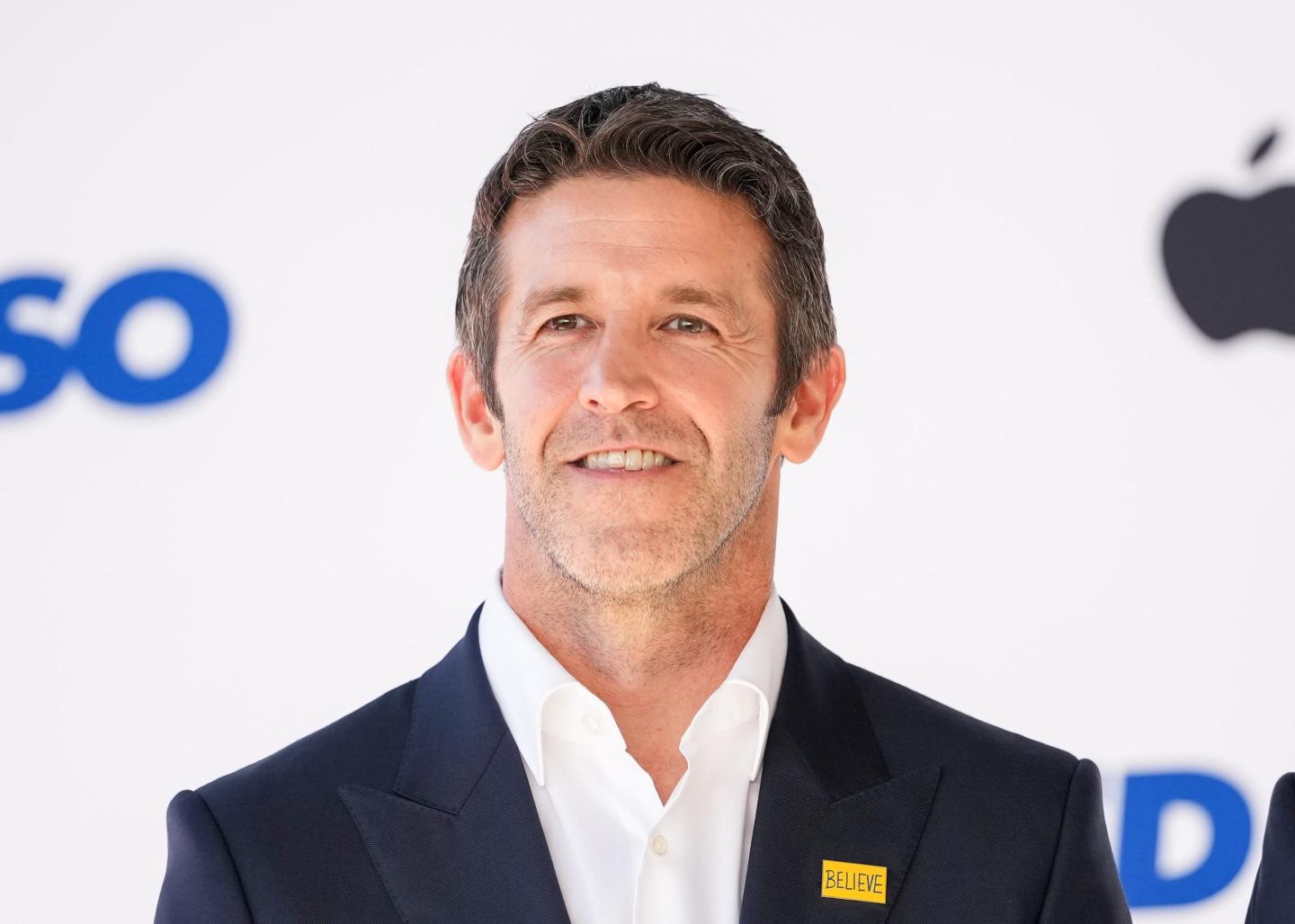
John Ternus will assume the role of chief executive at Apple on 1 September, succeeding Tim Cook who will become executive chairman. The transition was marked by a low-key gathering of current and former Apple product developers at the Cupertino headquarters, where Ternus mingled with staff after presenting the company's quarterly earnings.
Transition at Apple
The informal reunion celebrated a design team executive's 30th anniversary and surprised many attendees by the presence of the incoming CEO. Although he did not deliver a formal speech, Ternus's calm confidence and optimism were noted by an anonymous guest, who told EuroHerald, "It was super reassuring. He holds a tremendous amount of optimism and belief that hard things can be worked out."
It was super reassuring. He holds a tremendous amount of optimism and belief that hard things can be worked out.
Apple, now valued at roughly $4.6 trillion, faces a series of challenges that have been described as the most serious of its half-century history. While Tim Cook built a cash-flow powerhouse and a world-leading supply chain, the company must now answer questions about its artificial-intelligence strategy, a looming memory-chip shortage and a perception that recent products have lacked the spark of earlier launches.
Strategic challenges
Apple commands about one in five smartphones globally, yet recent releases have been incremental, with the Vision Pro headset and a redesigned Siri drawing mixed reactions. Competitors such as OpenAI, Meta and Samsung are pushing AI-enabled devices, and analysts warn that Apple risks falling behind in the race for new form factors.
Former Apple executive Jean-Louis Gassée told EuroHerald that he does not expect Ternus to make sweeping changes immediately, saying, "I don't think he's intent on rushing to make a name for himself. He doesn't want to roil the waters. It will be small touches here and there until they have something really new."
I don't think he's intent on rushing to make a name for himself. He doesn't want to roil the waters. It will be small touches here and there until they have something really new.
Apple's AI approach differs from rivals that pour billions into data-centre infrastructure. Instead, the firm aims to embed AI capabilities within its premium hardware, preserving privacy and leveraging on-device processing. This strategy could become an advantage if large-scale model spending proves unsustainable, but it also leaves Apple with a smaller in-house AI training operation.
Leadership style and outlook
Ternus, 51, has spent 25 years at Apple, rising from the product design team to senior vice-president of hardware engineering. He has overseen Macs, iPads, iPhones and AirPods, and is known for an encyclopaedic recall of product details. Colleagues describe him as approachable, often calling teammates "dude" and sharing a friendly demeanor.
Investors such as Gene Munster view the transition as akin to becoming the president of a country, noting that Ternus's first order of business will be to set the pace for AI innovation and secure memory-chip supplies. The upcoming September 9 product event is expected to showcase a revamped Siri and a long-rumoured foldable iPhone, offering a potential boost to the new CEO's public profile.
While the company's revenue forecast has been tempered by supply-chain constraints and rising component costs, Apple's cash reserves remain substantial. Ternus will inherit a sprawling organisation that now includes services, retail, streaming and cloud infrastructure, requiring him to balance product excellence with broader strategic decisions.
In a commencement address at the University of Pennsylvania, Ternus recounted a late-night inspection of steel screws on a monitor, arguing that meticulous effort is essential because "our time is finite." Whether that attention to detail will translate into bold AI-driven products remains to be seen, but the board's choice signals confidence in his ability to steer Apple through a pivotal era.