
United States forces struck Iranian rocket launchers in the Strait of Hormuz on Sunday, and the United Arab Emirates reported intercepting an Iranian drone over its waters on Monday. The attacks, the first US military action against Iran in a month, sent Brent crude up 3.2% to $90.91 a barrel and pushed the national average gasoline price above $4 per gallon for every day in August, a first on record.
Market reaction to rising energy costs
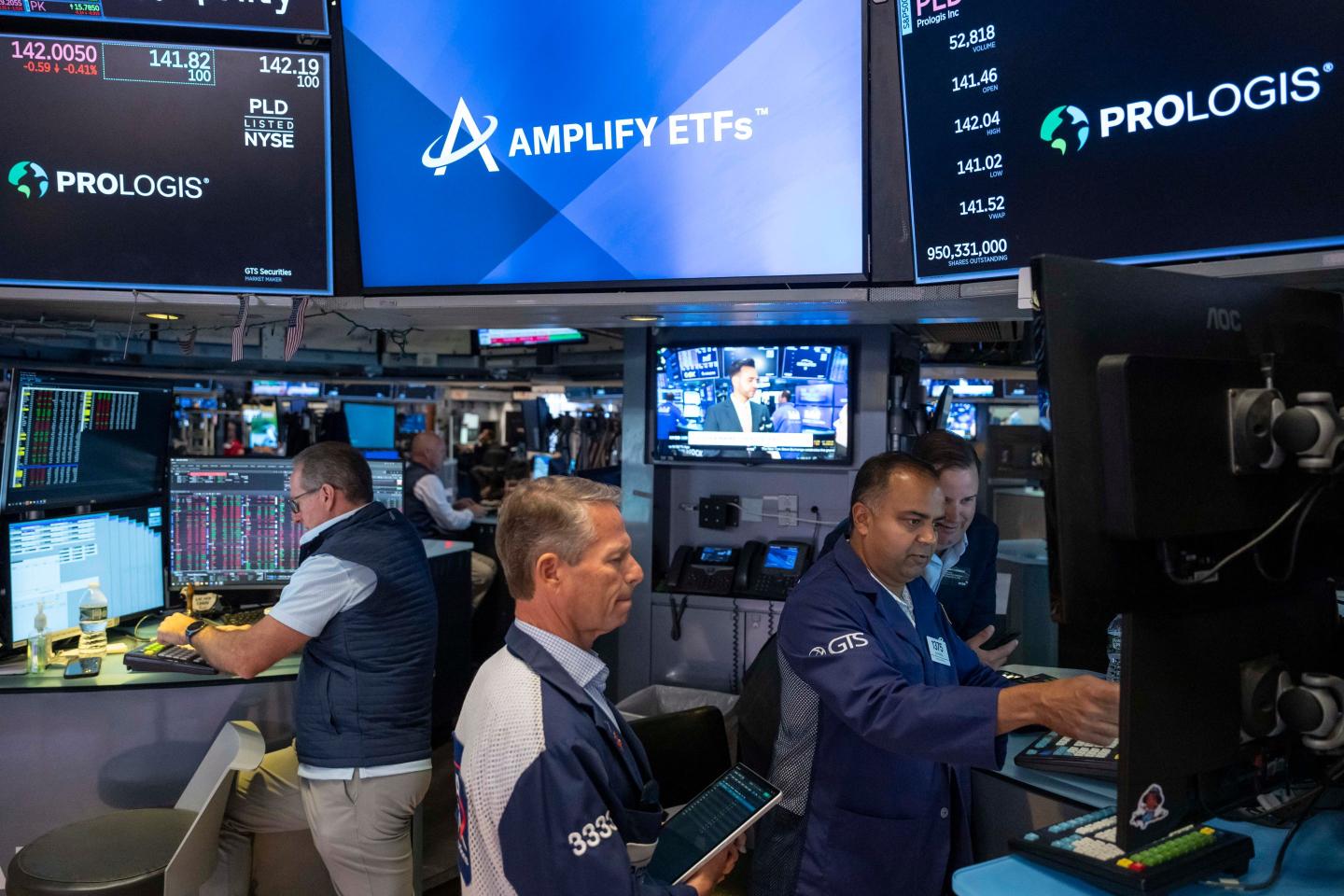
Wall Street opened lower on Monday. The S&P 500 slipped 0.4%, the Dow Jones Industrial Average fell 348 points (0.7%) and the Nasdaq dropped 0.3% as of 9:51 a.m. Eastern time. Losses were broad across the S&P 500, although energy shares bucked the trend, with Exxon Mobil up 2.9% and Chevron gaining 3%.
Why the price surge matters for Europe
About 20% of the world's oil passes through the Strait of Hormuz, a key conduit for European energy imports. Higher crude prices translate into higher pump prices, raising transport costs and feeding inflationary pressure across the continent. The latest spike follows a volatile month in which Brent swung between $72 and $102, reflecting shifting expectations about a diplomatic resolution to the conflict.
Implications for monetary policy and growth
Elevated energy costs have kept inflation well above the European Central Bank's 2% target and the US Federal Reserve's 2% goal. The Fed's two-year Treasury yield held at 4.34%, while the 10-year yield rose to 4.76%, indicating markets anticipate at least one more rate hike before year-end. Higher rates could dampen consumer spending and strain the still-resilient but weakening US labour market, which is set to release August employment data later this week.
Corporate headlines amid market turbulence
GameStop jumped 4.2% after issuing a preliminary second-quarter earnings outlook that beat the previous year's results. Conversely, insurance broker Aon fell 5.8% after announcing a $17 billion deal, including debt, to acquire USI Insurance Services from private-equity firm KKR.
Analysts will watch whether the US-Iran confrontation escalates further, which could tighten oil supplies through the Strait and keep energy prices high, or whether diplomatic channels open, allowing markets to stabilise.