
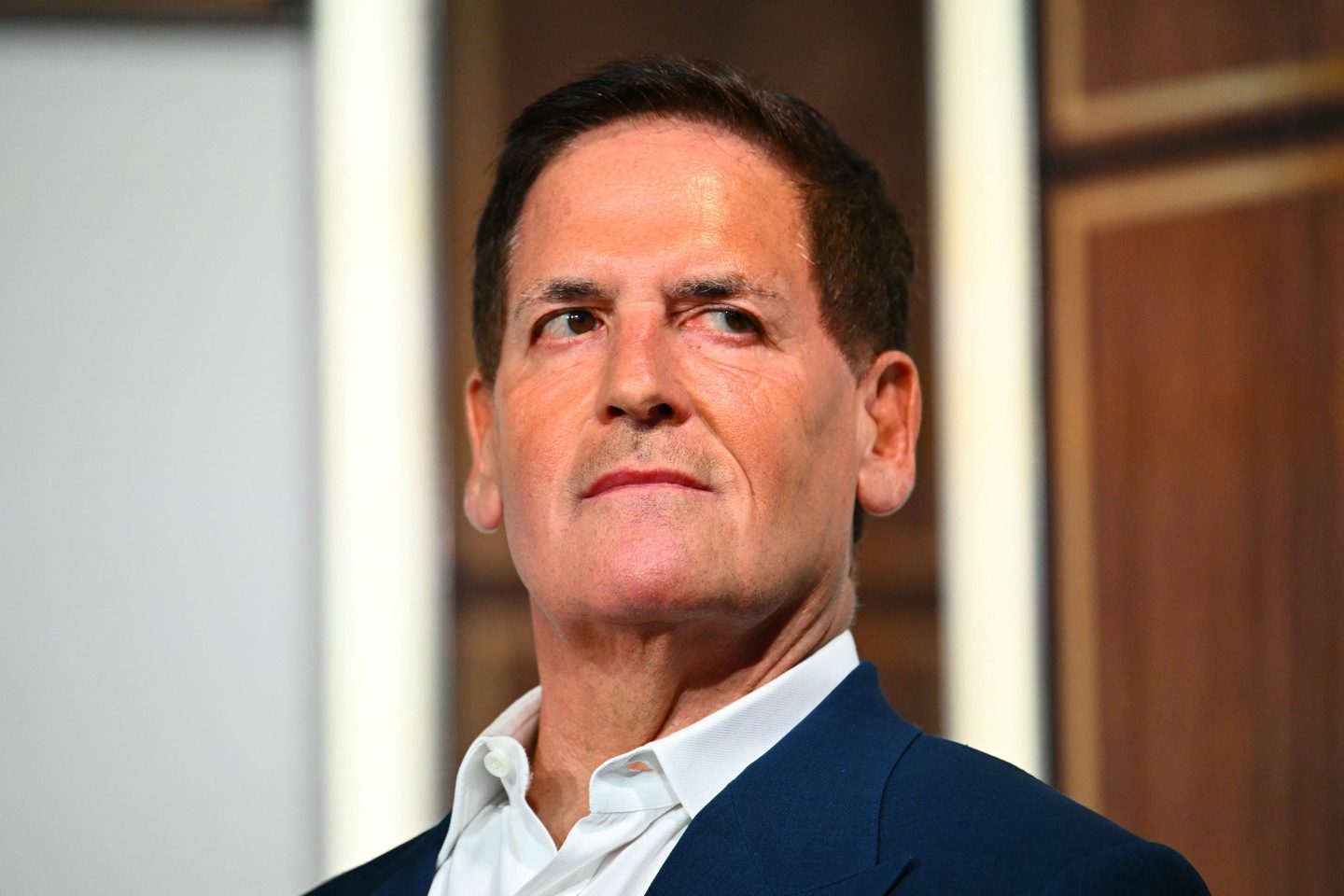
Mark Cuban, the billionaire entrepreneur known for his role on Shark Tank and his early sale of Broadcast.com, has suggested a new lever to tackle wealth inequality. In a recent post on the social platform X, he argued that companies which do not provide equity to every employee should face higher corporate tax rates.
What Cuban proposed
Cuban recalled that when Broadcast.com was acquired by Yahoo for $5.7 billion in 1999, he awarded stock to 330 of his staff, turning three hundred of them into millionaires. He also distributed equity and cash bonuses at his first IT consulting firm, MicroSolutions. Building on that experience, he wrote:
Increase the taxes of any company that doesn't offer equity to every employee on a pro rata basis to non-founder executives. If they get rich from the market, so do they.
He added that the tax revenue, even if only a fraction reaches those in need, still represents a community benefit.
Why the idea matters
The proposal arrives at a time when wealth concentration in the United States is accelerating. Federal Reserve data show that the bottom half of households owned $4.27 trillion in assets in the first quarter of 2026, up from $1.02 trillion in 2016. In the same period, the richest 0.1 percent owned $25.07 trillion, more than double their 2016 holdings of $10.75 trillion. Moreover, the top 90-99 percent of wealth holders control roughly $20.5 trillion in corporate equities, while the bottom 50 percent own just under $0.6 trillion.
Critics warn that higher taxes could be passed on to consumers, adding pressure to households already coping with inflation. Cuban counters that entrepreneurs set their own profit margins and that a modest tax increase could fund broader social benefits without harming competitiveness.
What could happen next
If policymakers were to adopt Cuban's suggestion, firms would need to redesign compensation structures to include stock options or similar equity grants for all staff, or face a higher tax bill. The move could spur a wave of employee ownership, similar to the practices at Nvidia, where CEO Jensen Huang's leadership team has seen several members become billionaires through stock holdings.
Industry leaders like Huang have argued that investing in people drives overall performance. On a recent panel, he said that he reviews compensation for all 42,000 Nvidia employees and consistently increases spending on operating costs because "you take care of people, everything else takes care of itself."
As the debate unfolds, Cuban warns that widening income gaps could fuel social unrest, which he describes as "the most expensive tax on every business." Whether governments will translate his proposal into legislation remains to be seen, but the discussion highlights growing pressure on corporations to share wealth more broadly.