
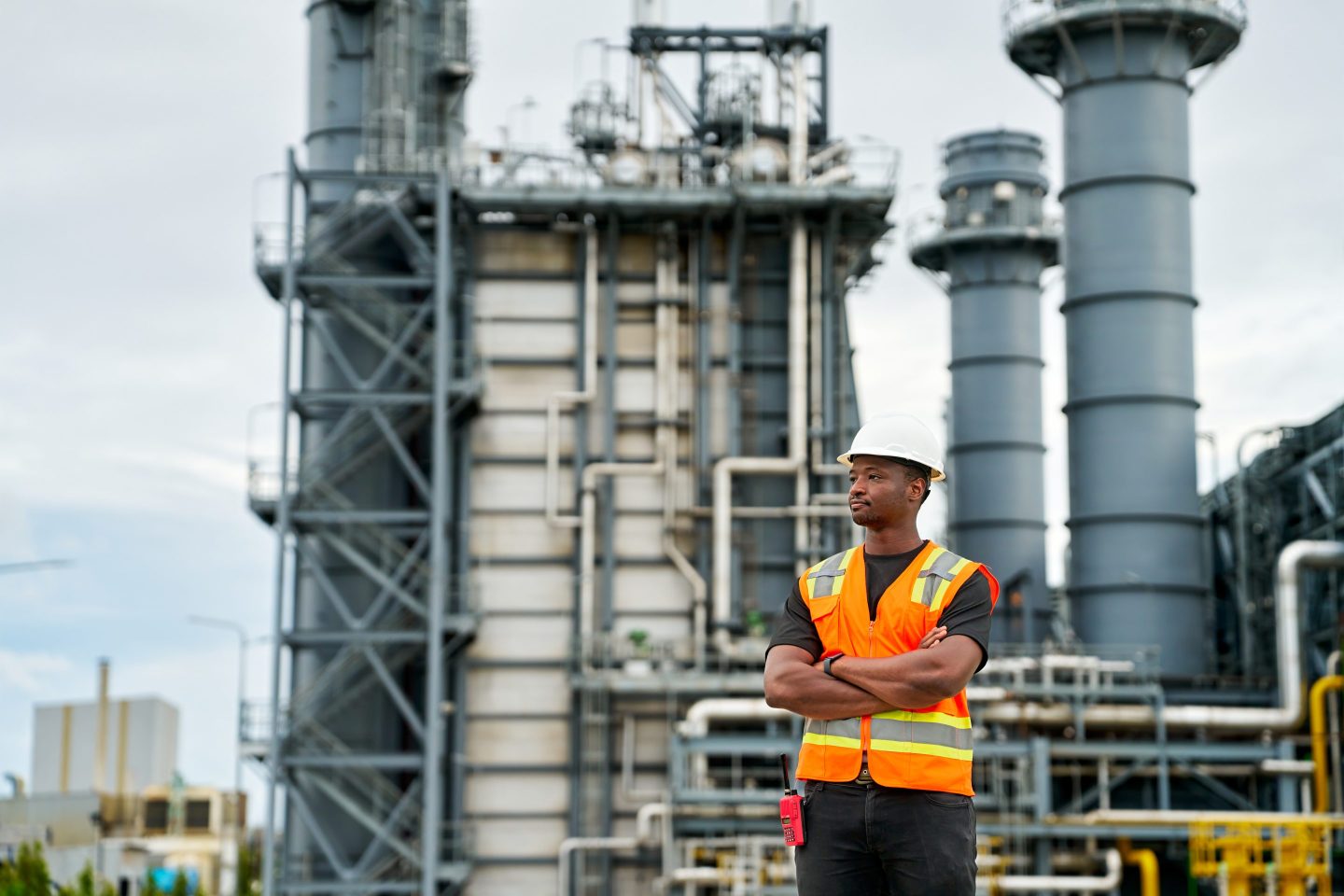
Goldman Sachs has released a forecast that the United States power and grid value chain will need roughly 500,000 extra workers by 2030. The estimate comes as the sector, which employed about 8.5 million people in 2024, grapples with a surge in projects driven by renewable energy targets and digitalisation.
Why the labour gap matters
The report notes that many of the new roles require three to four years of specialised training, creating a long-term skills bottleneck. In 2024 the energy apprenticeship pipeline admitted only 45,000 entrants, well short of the 65,000 annual intake needed to close the gap. Median wages in the sector sit at $58,810, but higher-paying jobs such as traditional fuel production ($65,400) and power-plant operators ($103,600) are attracting attention.
"Power is a critical bottleneck, increasingly the requisite labor presents a structural constraint of its own," the report explains.
Without a faster flow of qualified workers, capital investment may outpace the ability to staff new infrastructure, threatening the pace of the energy transition.
AI and robotics as a potential answer
Companies are already turning to autonomous equipment to ease the pressure. Examples include Deere's field systems, Caterpillar's mining platforms and Amazon's Proteus warehouse robot. Tesla has deployed its Optimus humanoid robot in manufacturing, and Chinese firms such as Unitree and UBTECH are developing commercial-grade humanoids expected to reach the market in larger numbers between 2027 and 2029.
Industry analysts project the global market for humanoid robots could rise from 20,000 units in 2025 to 1.4 million by 2035, a growth of nearly 6,900 per cent. Barclays head of thematic FICC research Zornitza Todorova told CNBC that the current $3 billion market may swell to $200 billion by 2035. Nvidia chief executive Jensen Huang echoed the sentiment, saying the technology is still years away from broad deployment.
"I think we are at the cusp of a transformation, we're just scratching the surface of what humanoid robots can do," Todorova said.
China moves ahead
While the United States evaluates the role of robots, China is already field-testing them in its energy network. In 2022 a robot repaired power lines in Wuhan province, and in Guangzhou a humanoid performs routine inspections. The State Grid Corporation of China announced a $1 billion programme to acquire about 8,500 AI-powered robots for grid inspection and maintenance.
For the United States, the challenge will be to align training programmes, investment in AI tools and the gradual introduction of robotic helpers to meet the looming workforce shortfall.