
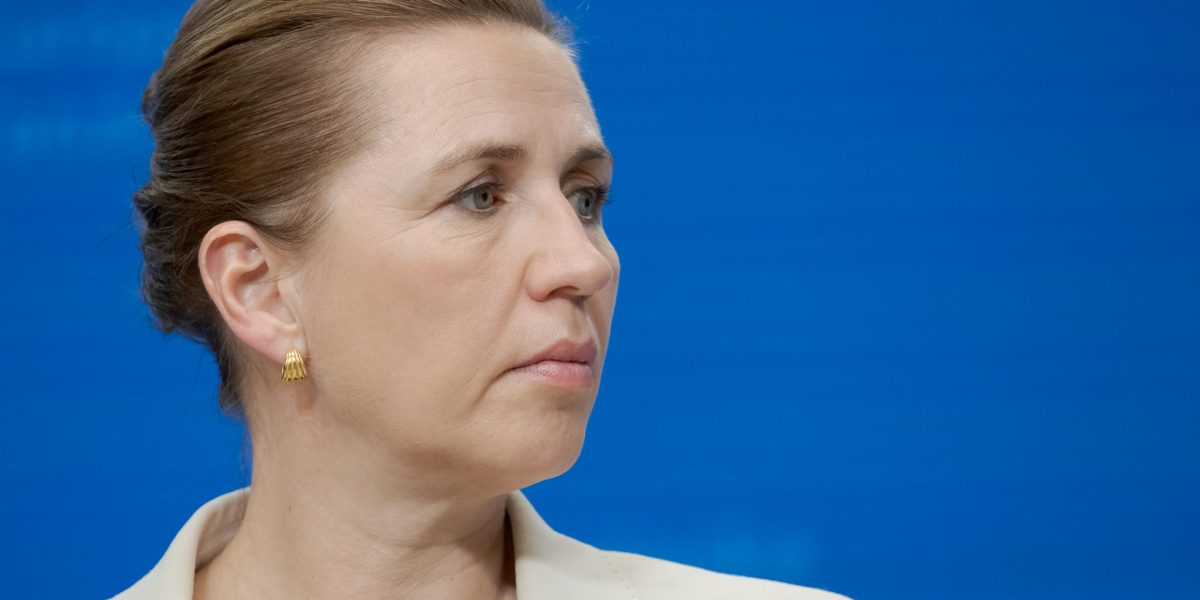
Mette Frederiksen posted on Instagram a screenshot of a private message from an unidentified male plastic surgeon who suggested he could "fix that little spot on [her] nose". The Danish prime minister responded that she is happy with her body and does not need a surgeon's opinion.
What happened?
After concluding a visit to Ukraine, where she heard air-raid sirens and pledged continued support against Russia, Frederiksen returned to Denmark and shared the exchange on social media. In her caption she wrote that she has lost count of the comments she receives about her teeth, hair and a perceived "wart" on her nose, adding that she would prefer messages to focus on more meaningful topics.
"I'm happy with my body, I really don't need a male plastic surgeon to have an opinion about it!"
Why does it matter?
The incident highlights a broader pattern in which women in public life are routinely judged on appearance rather than policy. Frederiksen, who has led Denmark since 2019 and is one of Europe's longest-serving female heads of government, faces the same type of unsolicited scrutiny that politicians such as Alexandria Ocasio-Cortez and other high-profile women have reported.
Commentators note that the rise of cosmetic procedures as a mainstream notion of "self-care" may be normalising intrusive advice about personal appearance. When a medical professional feels entitled to propose a cosmetic fix without invitation, it blurs the line between professional expertise and personal intrusion.
What happens next?
Frederiksen's public rebuke may encourage other female leaders to call out similar behaviour, reinforcing a call for respectful discourse. The episode also arrives at a time when Denmark is actively supporting Ukraine, a policy she reiterated in her Instagram post, urging any correspondence to address substantive issues.
While no formal complaint has been lodged, the visibility of the exchange could spark discussion within Danish media and European circles about the treatment of women politicians and the need for clearer boundaries on personal commentary.
For further context on Denmark's role in supporting Ukraine, see the European Commission's page on EU aid to Ukraine.